

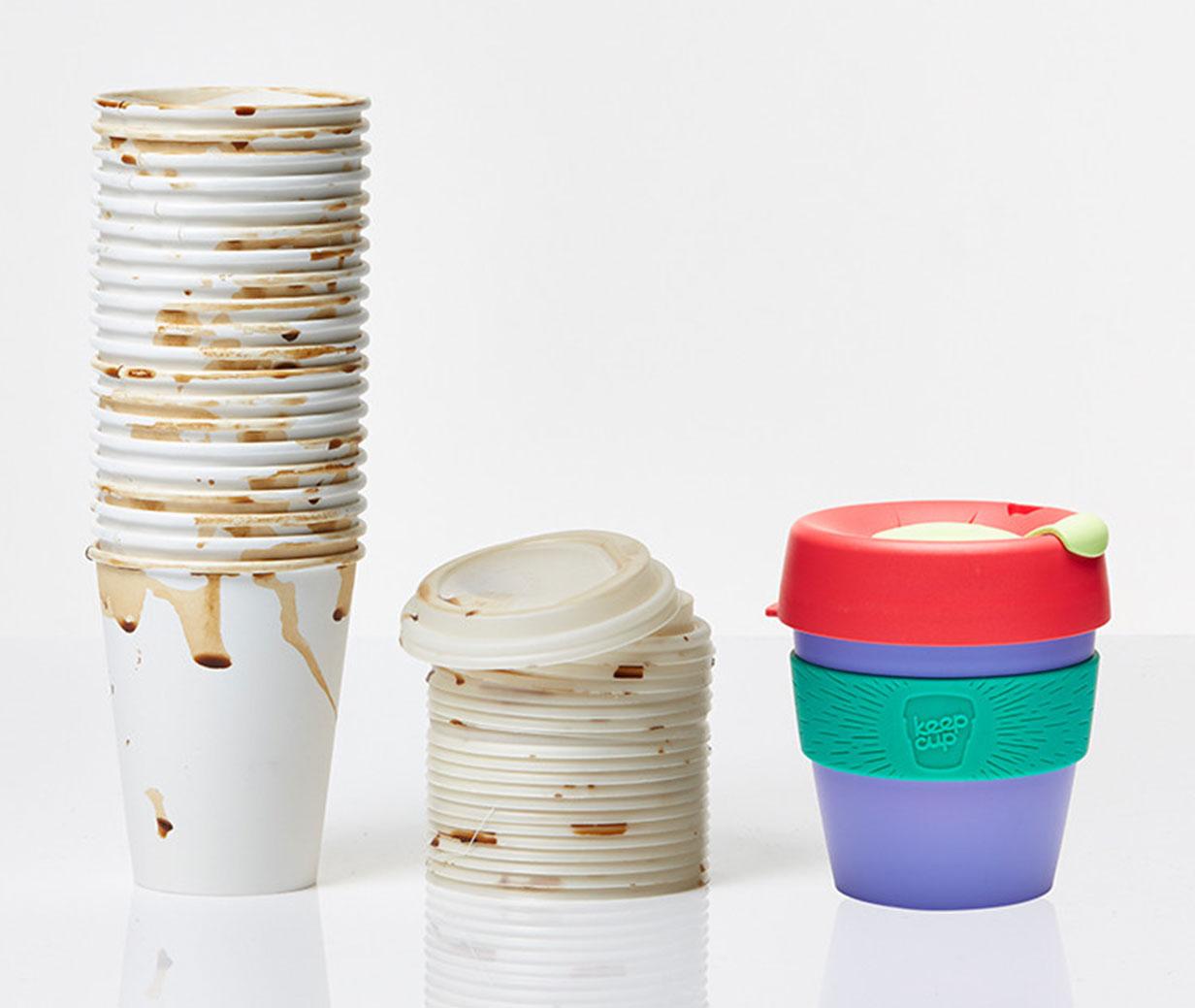
Plastic gets a lot of blame. Some of it is deserved. Some of it is misdirected at a material that, used properly, does useful work in the circular economy.
This is a calmer reading of the plastic question. What plastic is, what's actually bad about how we use it, what's worth defending about the material, and how to think about the role of plastic in a low-impact household.
What Plastic Is
Plastic is a category of synthetic polymers — long molecular chains, usually petroleum-derived, sometimes plant-derived (bioplastics). The category covers thousands of distinct materials with different properties, lifespans, recyclability, and environmental profiles. Treating "plastic" as one thing is the start of the confusion.
The major resin types you'll encounter in household contexts:
- PET (1): Water bottles, soft drink bottles. Widely recycled in Australia.
- HDPE (2): Milk jugs, cleaning product bottles, food containers. Widely recycled.
- PVC (3): Pipes, hoses, some packaging. Rarely recycled.
- LDPE (4): Plastic bags, shrink wrap, some bottle squeeze containers. Limited recycling.
- PP (5): Yoghurt containers, KeepCups, microwaveable containers. Limited but growing recycling.
- PS (6): Polystyrene — takeaway containers, packaging. Rarely recycled.
- Other (7): Mixed plastics, Tritan, polycarbonate. Rarely recycled.
The differences matter. The case against plastic varies dramatically by resin type and use case.
What's Actually Bad
The legitimate concerns, in approximate order of severity:
1. Persistent Pollution
Plastic doesn't biodegrade in any reasonable timeframe. A polypropylene cup discarded today will still be a polypropylene cup, broken into smaller fragments, in centuries. The persistence is the deepest problem.
2. Microplastic Accumulation
Persistent plastic fragments into smaller and smaller pieces over time. Microplastics now appear in soil, freshwater, marine environments, food chains and human tissue. The health effects at population scale are still being characterised but the trend is clear: more plastic in production, more microplastic in the environment.
3. Ocean Plastic
Substantial volumes of plastic enter the world's oceans annually. Australian beach surveys show plastic pollution as the largest single category of marine debris. The wildlife impact is documented and substantial.
4. Production Emissions
Virgin plastic production is petroleum-intensive and produces significant emissions. Recycled plastic production has substantially lower emissions.
5. End-of-Life Mismanagement
The plastic problem is largely an end-of-life problem. Plastic that's recovered and recycled is much less problematic than plastic that's landfilled, incinerated or littered. The system to recover plastic at end-of-life is incomplete almost everywhere.
What's Worth Defending
Plastic also has legitimate uses. Worth being honest about them:
1. Lightweighting
Plastic packaging weighs significantly less than glass, metal or paper equivalents. Less weight means lower transport emissions, lower fuel use, lower per-shipment cost. For some applications, plastic genuinely has the lower environmental footprint.
2. Food Safety and Preservation
Plastic packaging extends food shelf life. A cucumber wrapped in plastic film lasts substantially longer than an unwrapped cucumber. Food waste has its own substantial environmental footprint. Some plastic packaging is doing real environmental work.
3. Medical and Hygiene
Sterile single-use plastic in medical contexts saves lives. Plastic syringes, IV bags, catheters, sterile packaging — there are reuse strategies for some of these but the safety case for some single-use plastic is robust.
4. Durable Reusable Products
This is the case for plastic-based reusables like KeepCup polypropylene products. A polypropylene cup tested to 1,000 uses has a far lower per-use environmental footprint than glass, ceramic, or stainless steel equivalents — once you factor in production energy, transport weight, and disposal.
The case against "plastic" as a material category misses this. The case against single-use plastic is the strong case. The case against durable, recycled-content plastic is much weaker.
The Hierarchy of Plastic Uses
A useful hierarchy, from worst to best:
- Worst: Single-use, virgin, non-recyclable, littered. Polystyrene takeaway containers ending up in waterways.
- Bad: Single-use, virgin, non-recyclable, landfilled. Most disposable coffee cups.
- Mixed: Single-use, recycled-content, recyclable. PET bottles in deposit return schemes.
- Better: Durable, recycled-content, repairable. Quality reusable drinkware.
- Best: Durable, recycled-content, repairable, modular, takeback at end-of-life. The ambition for the next generation of reusable products.
KeepCup's product range sits in the better-to-best range. Polypropylene with recycled content, modular replacement parts, durable construction tested to 1,000 uses.
The Substitution Trap
One thing worth understanding: replacing plastic with another material is not automatically an environmental win. Several common substitutions have hidden costs:
- Paper bags for plastic bags: Higher emissions per bag if used once. Need to be used multiple times to break even.
- Glass bottles for plastic bottles: Higher transport emissions due to weight. Substantially heavier production energy unless reused multiple times.
- Compostable single-use cups for plastic single-use cups: Mostly require industrial composting that's not widely available; often end up in landfill where they perform worse than plastic.
- Stainless steel reusable for plastic reusable: Higher production energy; needs to be used substantially more times to break even on lifecycle.
The right comparison is always lifecycle, not material. "Plastic-free" is a marketing claim, not an environmental conclusion.
What This Means for Household Decisions
Three practical takeaways:
- Reduce single-use plastic. This is the strong consensus. The environmental case is clear.
- Embrace durable reusable plastic. If the product is going to last hundreds of uses, plastic is often the right material. Don't reject reusables on material alone.
- Check substitution claims carefully. Many "plastic-free" alternatives have worse lifecycle profiles than the durable plastic they replace.
The KeepCup Position
KeepCup uses plastic deliberately, in specific applications, for specific reasons:
- Our Original range is polypropylene because it's the right material for the use case: lightweight, durable, recyclable, easy to manufacture from recycled content.
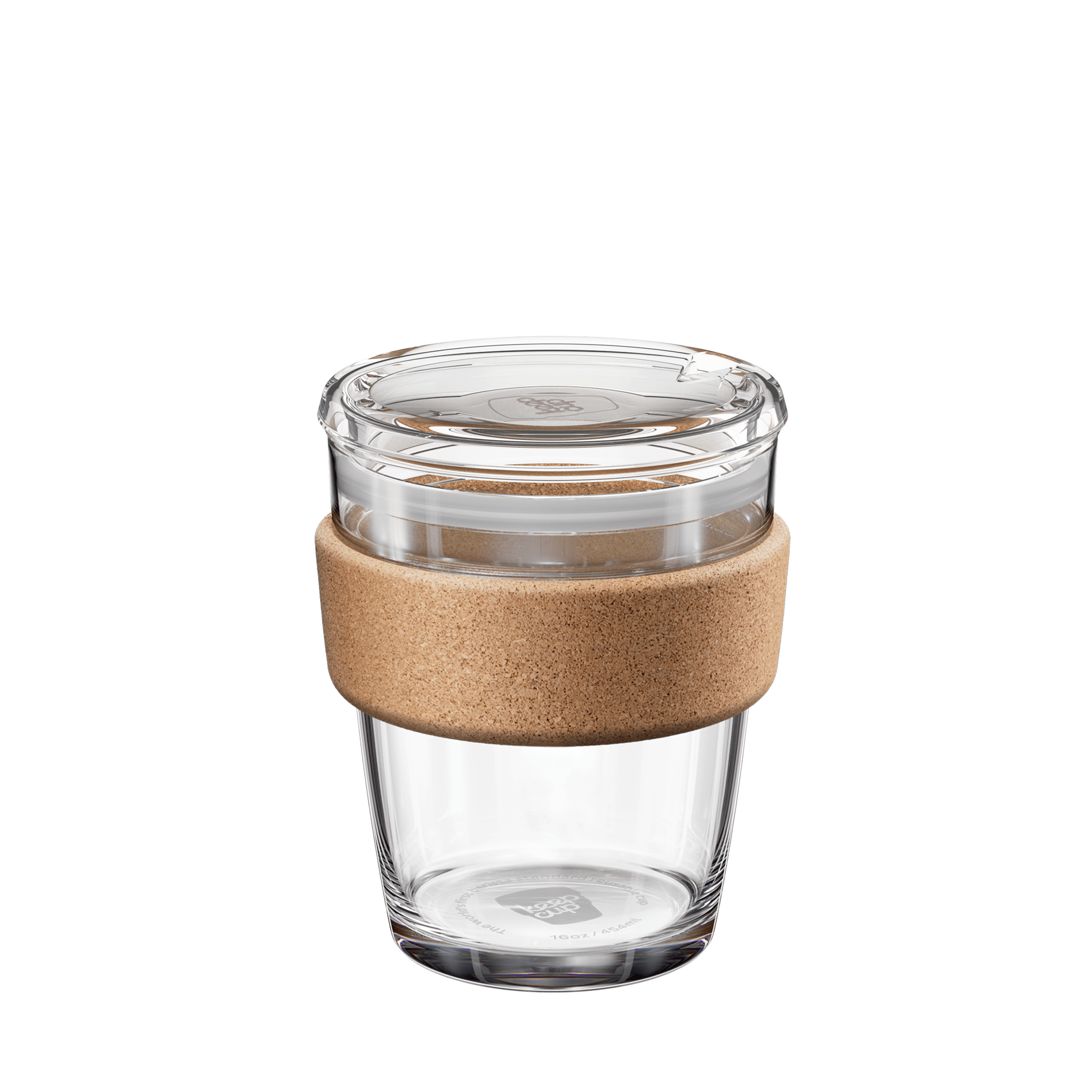
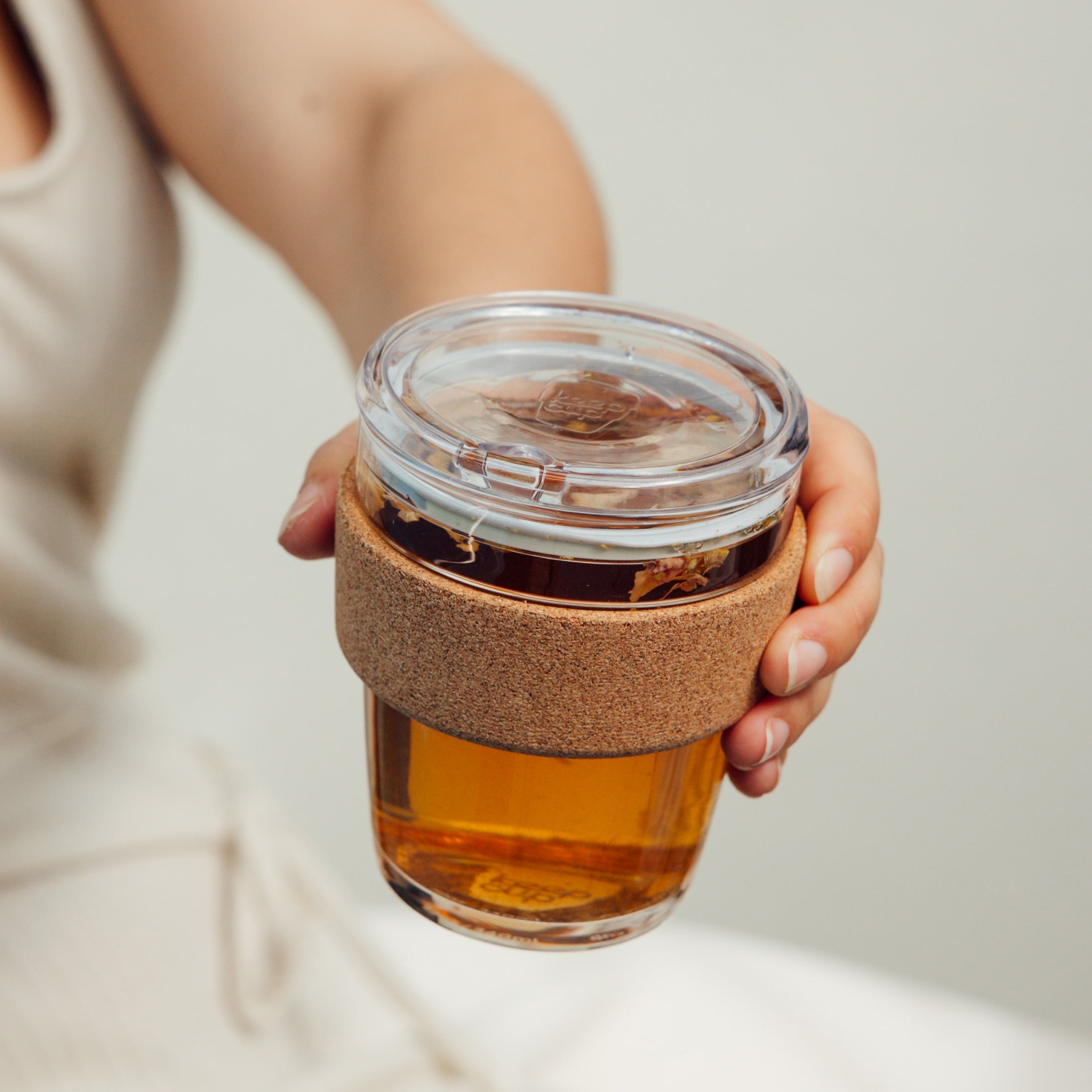
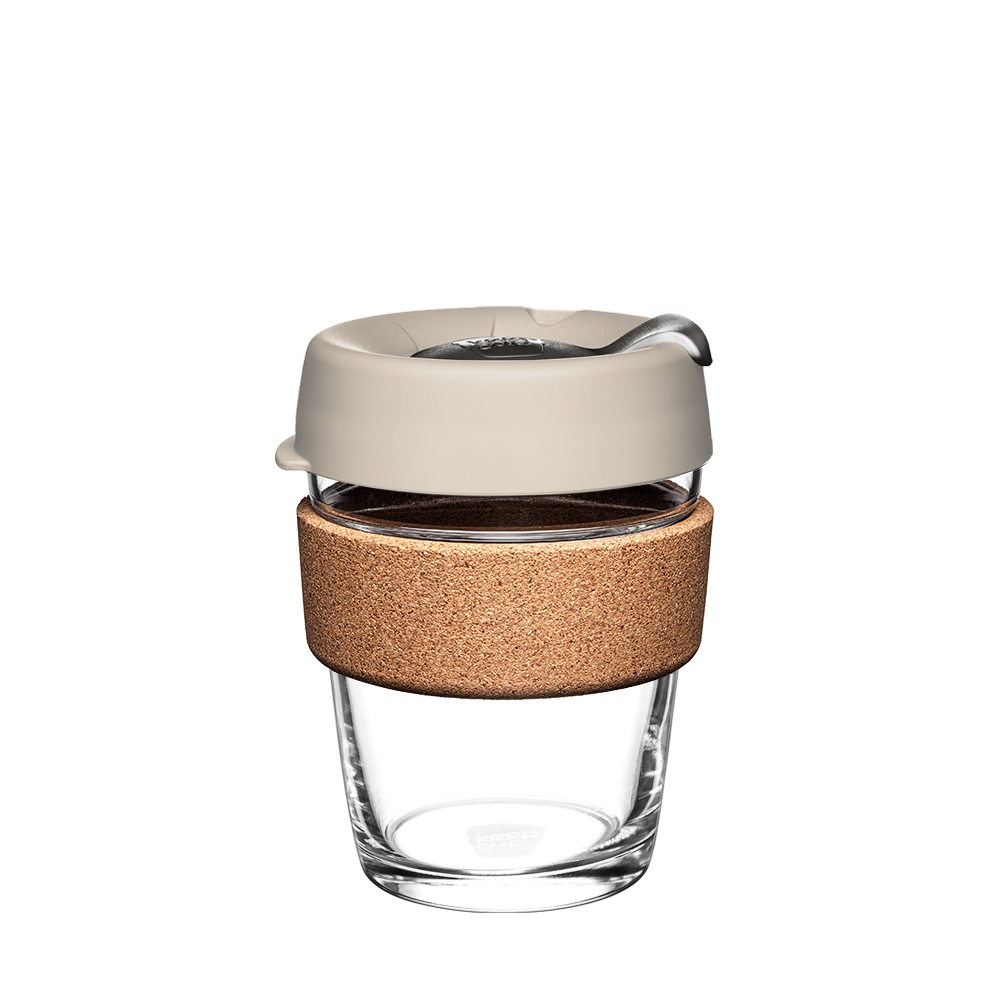
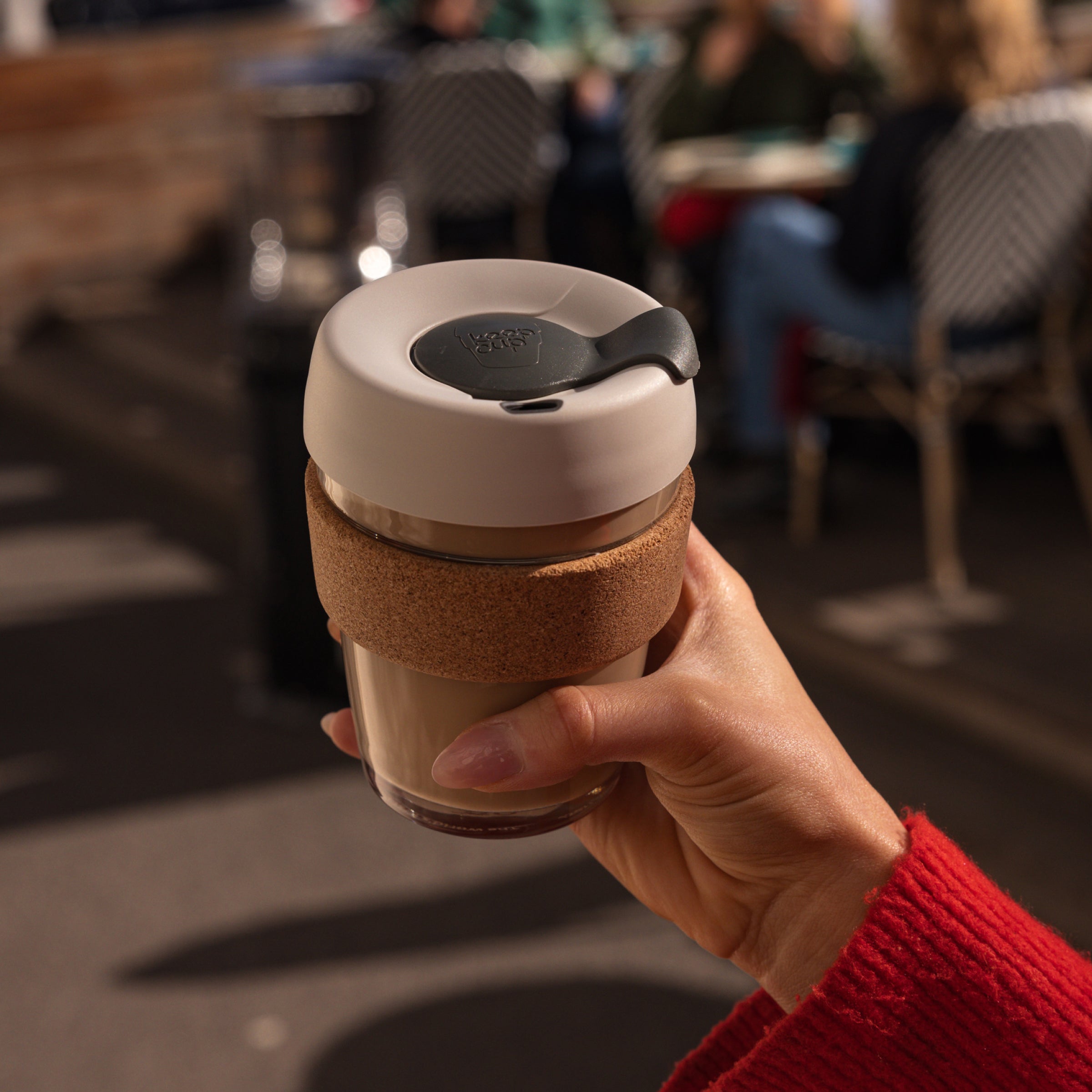
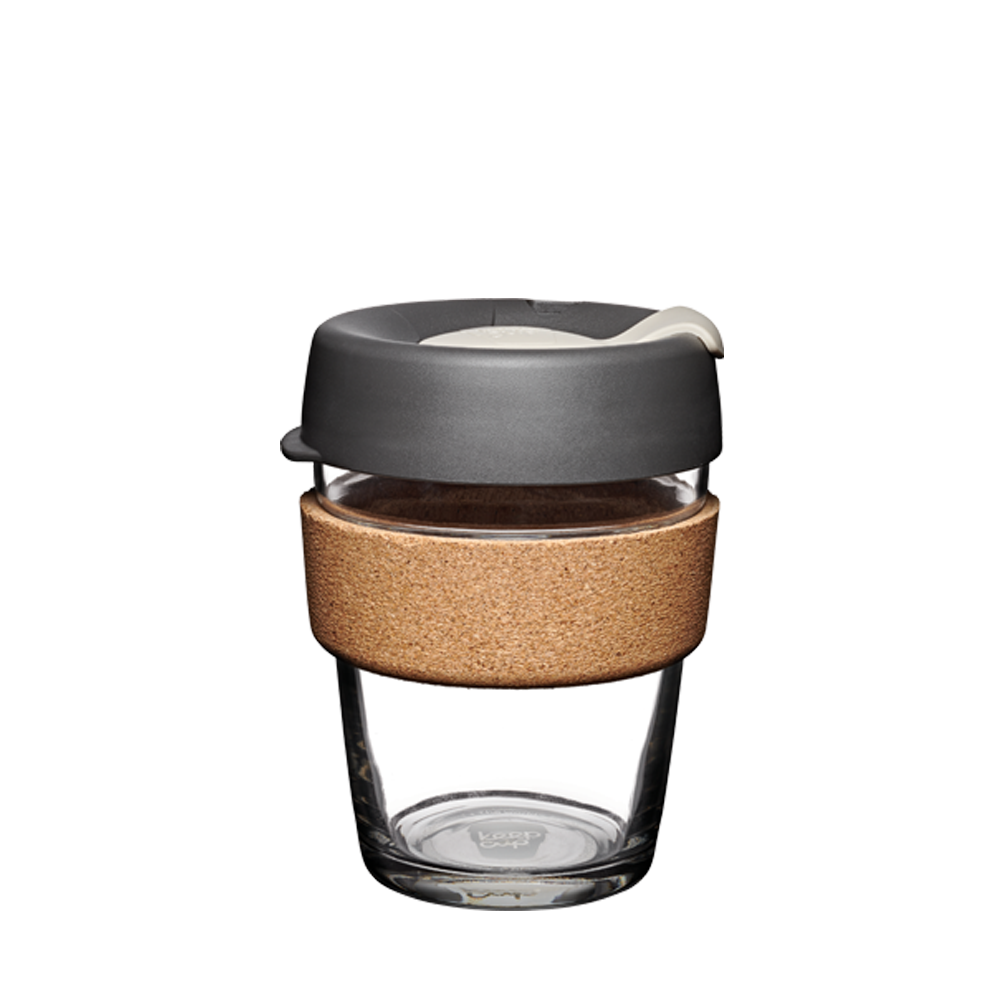
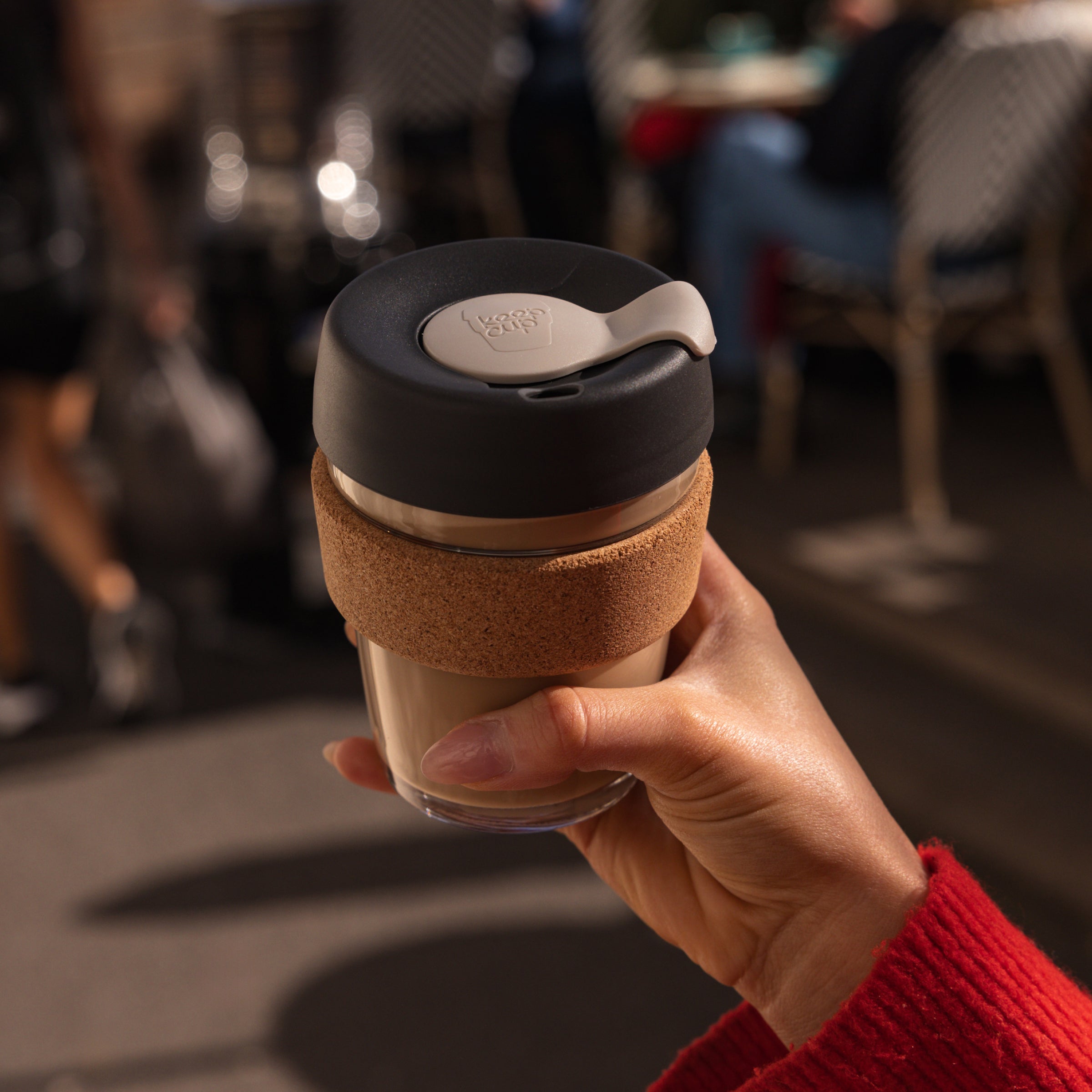
- Our Brew range is borosilicate glass for customers who prefer glass.
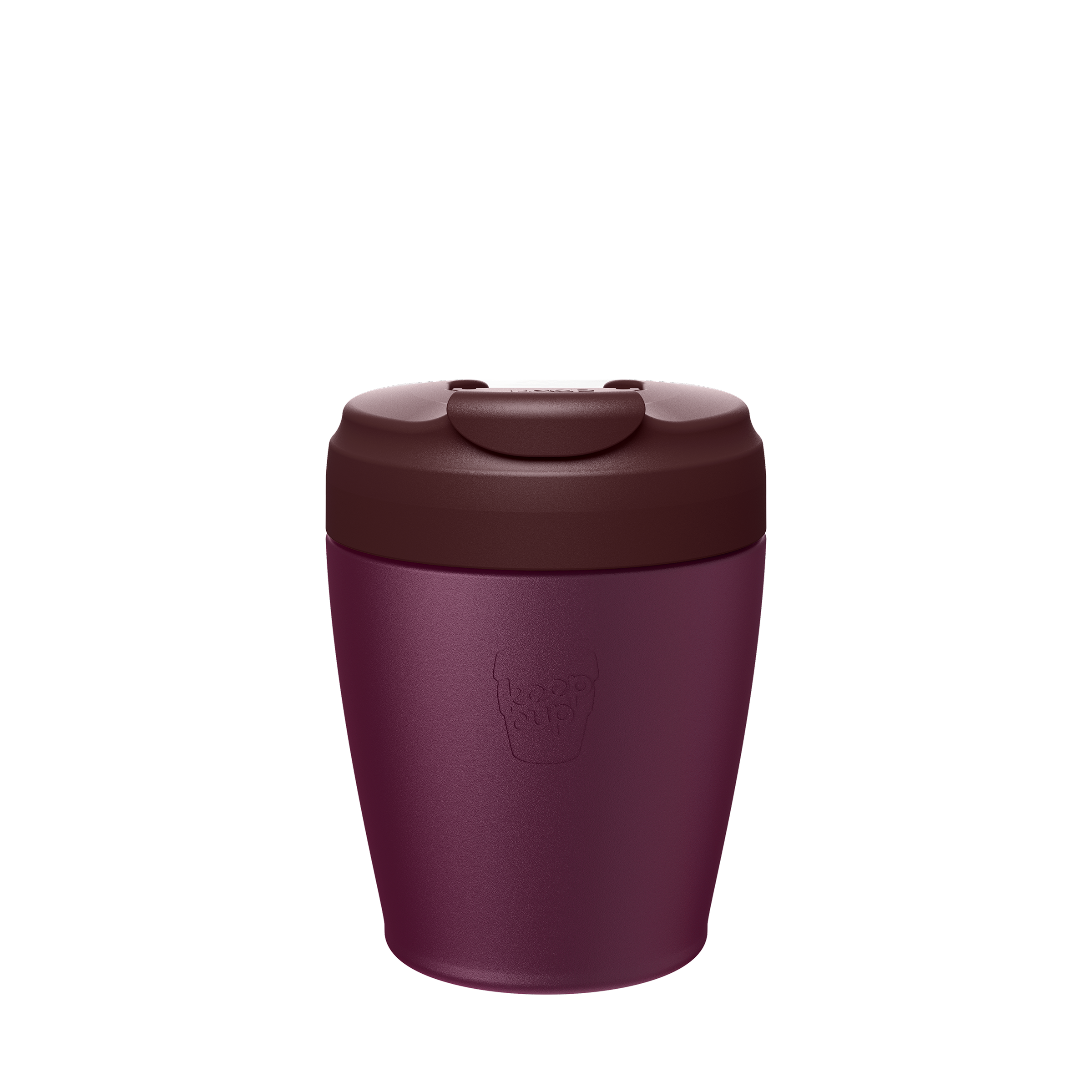
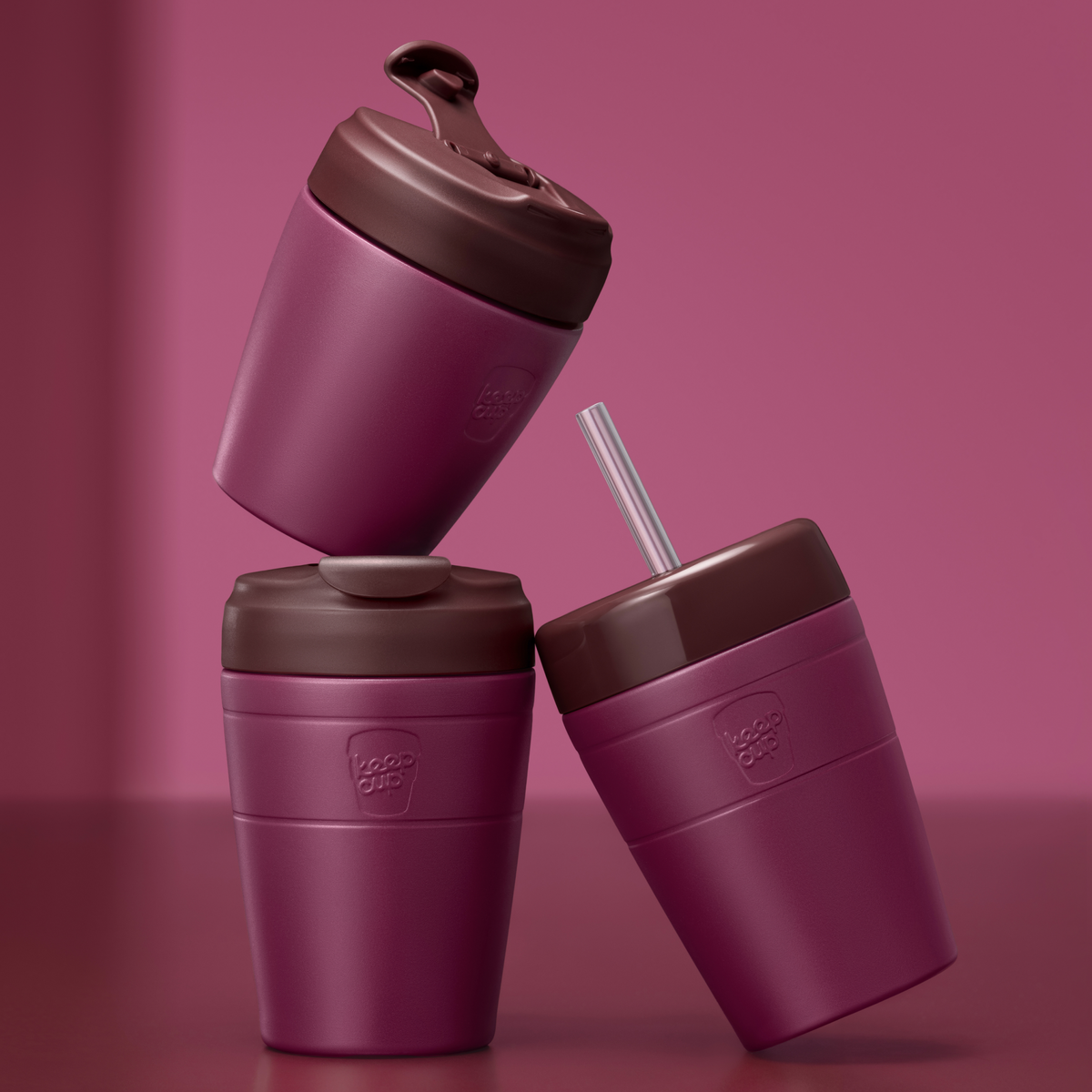
- Our Thermal and Helix ranges use stainless steel for insulation.
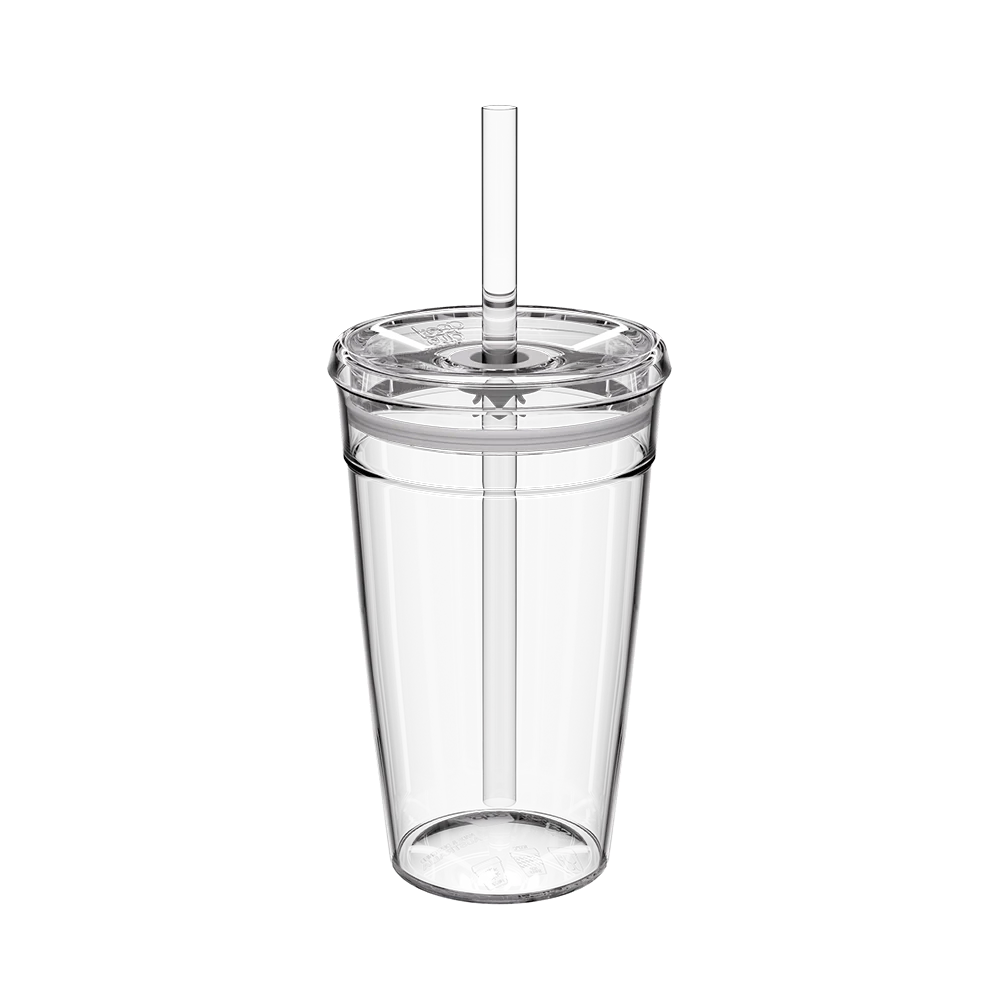
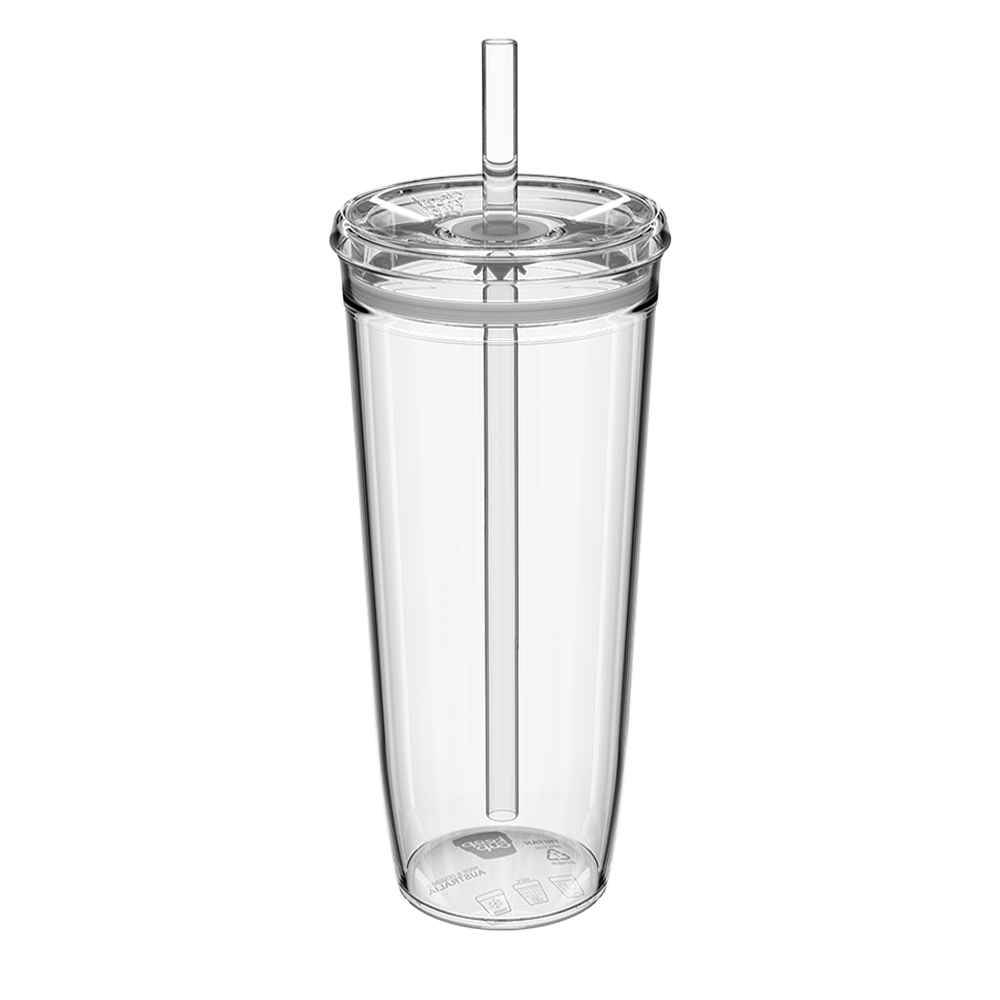
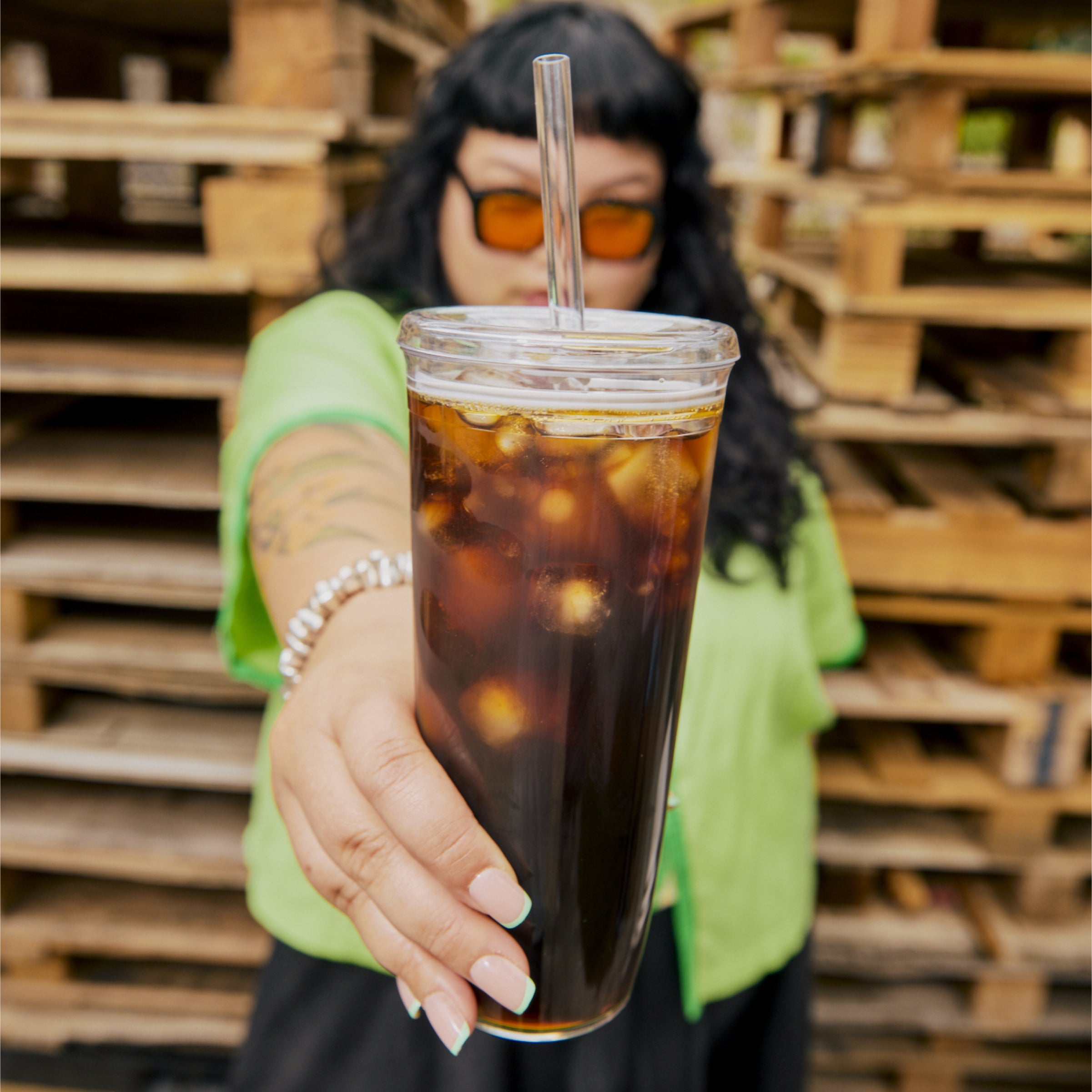
- Our Cold Cup Longplay uses Tritan polymer for cold drink use.
The material choice is application-specific. The defining feature isn't "plastic" or "not plastic" — it's durability, recycled content, repairability, and end-of-life recovery. By those measures, our polypropylene range is among the most environmentally sound drinkware products available.
FAQs
Is all plastic bad for the environment?
No. The case against single-use plastic is strong. The case against durable, recycled-content, repairable plastic is much weaker. Plastic has legitimate uses including reusable products where its lightweighting and durability deliver lower lifecycle impact than alternatives.
What's the worst plastic?
Single-use, virgin, non-recyclable plastic that ends up in the environment. Polystyrene takeaway containers are typically the worst common example.
What's better than plastic?
It depends on the use case. For durable reusable drinkware, plastic is often the right answer. For single-use packaging, paper-based or compostable alternatives can be better but require industrial composting infrastructure. For bottled water, reusable bottles eliminate the question.
Is KeepCup made of plastic?
Most of the range, yes — polypropylene with recycled content. Some products (Brew, Helix, Thermal) use glass or stainless steel for specific applications. KeepCup products are tested to 1,000 uses.



Glasgow Coffee Festival Case Study - Washing Up to Reuse
Single O Coffee Roasters