

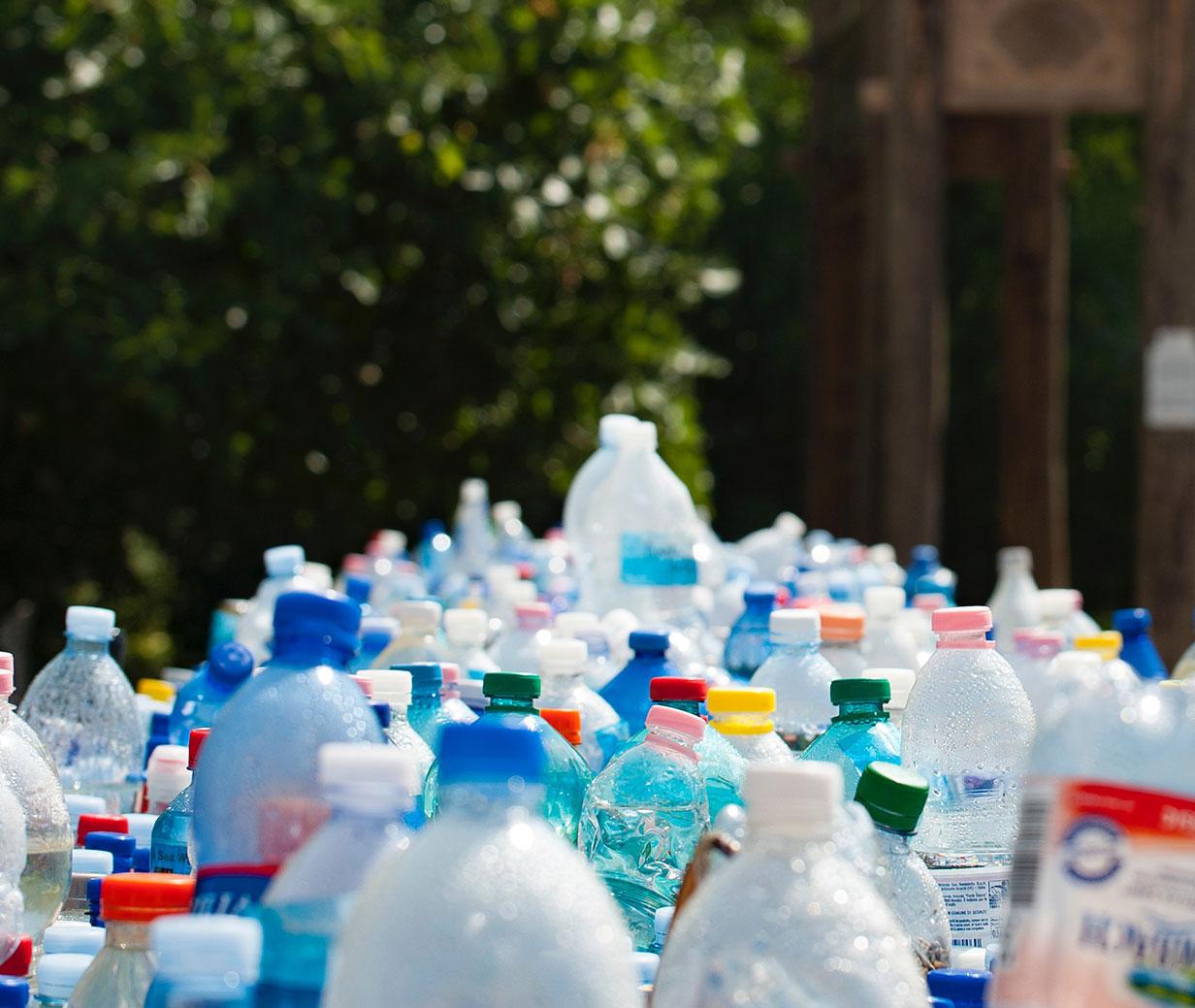
Recycling is the second-most important thing we do with waste. The first is producing less of it.
The disposable economy has done an excellent job of training Australians to think the order is reversed — that as long as we recycle properly, the volume question doesn't matter. The numbers say otherwise. Australian recycling has improved across the last decade while Australian per-capita waste has continued to climb. The two aren't in tension because recycling, as currently practised, cannot keep up with consumption growth. For a complementary read on what the alternative looks like in practice, see the case for treating reuse as the centre of the next phase of waste reform.
This is the case for treating recycling as the backup plan it actually is, and treating reduction as the actual plan.
What Australian Recycling Actually Achieves
Australia's overall recycling rate reflects a mix of industrial, construction and household streams. Household kerbside recycling recovers a minority of household waste; the majority still goes to landfill. The reasons are structural, not motivational:
- Plastic recycling degrades the polymer with each cycle.
- Soft plastics have no widespread Australian recycling infrastructure since the REDcycle disruption.
- Composite materials (paper-plastic laminates, foil-lined cartons) are typically not recyclable at all.
- Contamination from food residue degrades the recyclate value, with significant fractions of "recycled" material ultimately landfilled.
- Recycling is energy-intensive, with substantial emissions per tonne recovered.
Within household recycling streams, aluminium, glass and paper recover relatively efficiently. Rigid plastic recovers less efficiently. Soft plastic, in 2026, is essentially not recovered at scale.
Why Plastic Doesn't Recycle Like Other Materials
Plastic isn't one material. It's a category of materials with multiple major resin types that don't mix in recycling. Australian kerbside systems generally only sort a couple of resin types reliably. The rest are rejected or downcycled.
Plastic also degrades through recycling. The polymer chains shorten with each reprocessing cycle, eventually reaching a point where new high-grade products can't be made from the recyclate. After that, it gets downcycled into lower-grade products that eventually reach end-of-life with no further recycling option.
This is the key insight: "recyclable" plastic isn't infinitely recyclable. Every plastic item, even one in the recycling stream, has a finite recycling lifespan. The system doesn't close the loop — it slows the entry to landfill.
The Soft Plastic Collapse
The 2022 disruption of REDcycle — Australia's primary soft plastic recycling program — exposed how fragile the recycling infrastructure is. REDcycle accepted soft plastics at major supermarket drop-off points. When it stopped operating, large volumes of soft plastic that had been collected were discovered in storage rather than recycled. Most of it was ultimately landfilled.
The replacement infrastructure is being built (Soft Plastics Taskforce, state-level pilots) but soft plastic recycling in Australia is back to recovery rates close to zero. Most household soft plastic goes to landfill.
This is the recycling story in microcosm: the infrastructure isn't reliable, the recovery rates aren't high, and depending on it as the primary plan leaves the system vulnerable to disruption.
What Australian Consumption Looks Like
Australian consumption growth has outpaced recycling growth across the last decade. Per-capita waste generation, packaged food consumption, ecommerce parcel volume, and single-use plastic packaging tonnage have all grown.
The system can recycle what it receives. It can't reduce what's produced. Recycling without reduction is a treadmill — running faster every year just to stay in roughly the same place.
What Reduction Looks Like in Practice
Reduction is a less glamorous category than recycling. It doesn't have iconic logos. It doesn't have visible bins. The wins are quieter: a product not purchased, a container not packaged, a meal cooked at home rather than ordered in plastic.
The categories with the highest household-level reduction potential, in Australia today:
- Disposable packaging. Bulk buying, refill stores, brands using minimal packaging, cooking from raw ingredients.
- Fast fashion. Buying less, buying better, repairing rather than replacing. Clothing accounts for an outsized share of Australian waste once textile streams are properly counted.
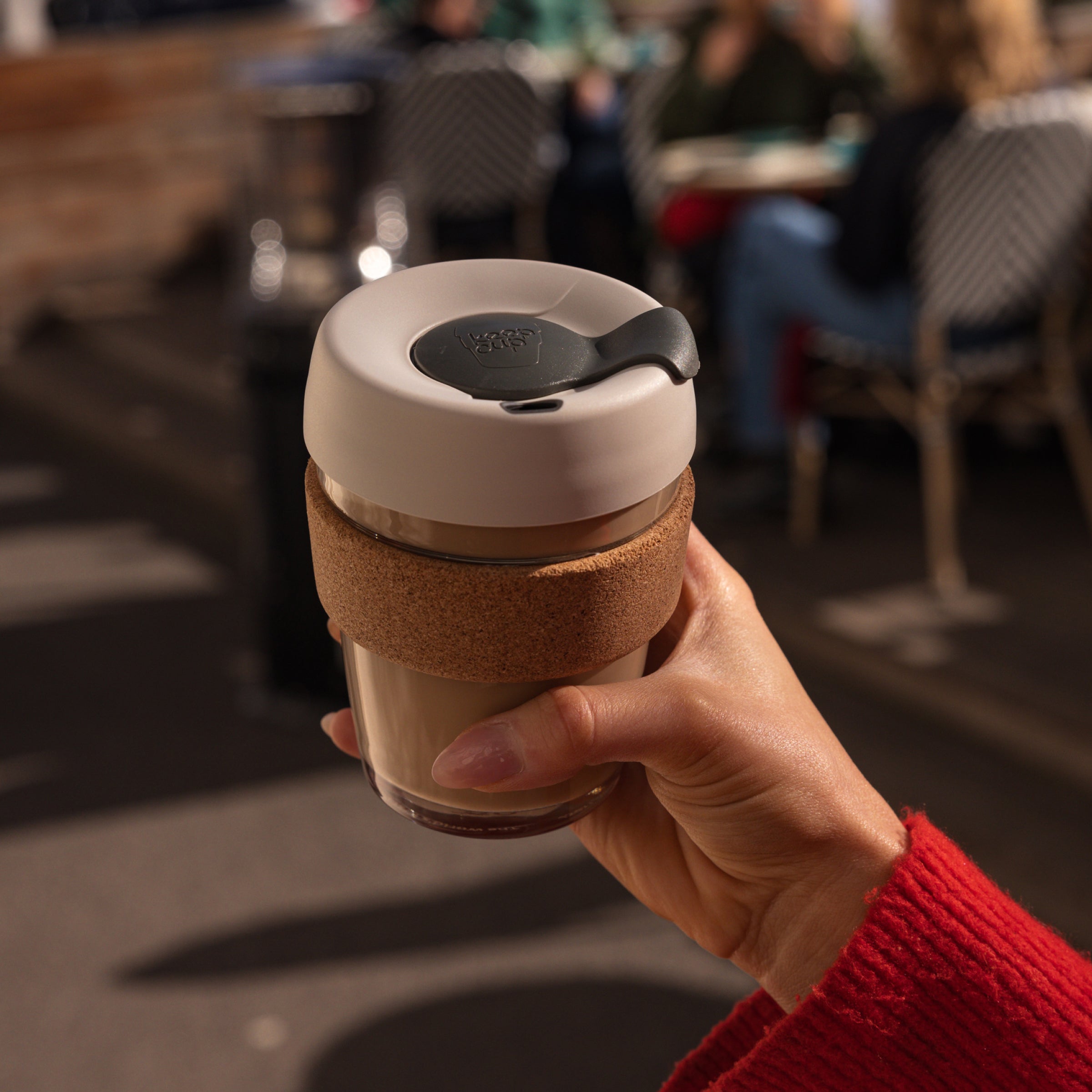
- Disposable single-use items. Cups, bottles, bags, containers, cutlery. The reusable alternatives are mature and affordable.
- Online retail packaging. Consolidate orders, choose retailers using paper-based packaging, avoid same-day delivery (which usually means more packaging per order).
- Food waste. Significant portions of food bought in Australian households are wasted. Better planning, better storage, and using leftovers reduces both food waste and the packaging that surrounded the food.
The Hierarchy Matters
The waste hierarchy, in order:
- Refuse. Don't acquire what you don't need.
- Reduce. Acquire less of what you do need.
- Reuse. Extend the life of what you have.
- Repair. Fix what's broken rather than replacing.
- Recycle. Process at end-of-life into new material.
- Recover. Energy recovery from waste.
- Dispose. Landfill (the last option).
Recycling is fifth on the list. It's important, but it's the backup. The first four — refuse, reduce, reuse, repair — are where the larger environmental gains live.
This is why the focus on "recycle properly" without similar focus on "consume less" misses the structure of the problem. Recycling is the catch for what reduction didn't prevent. Both matter. The order matters more.
What KeepCup Believes
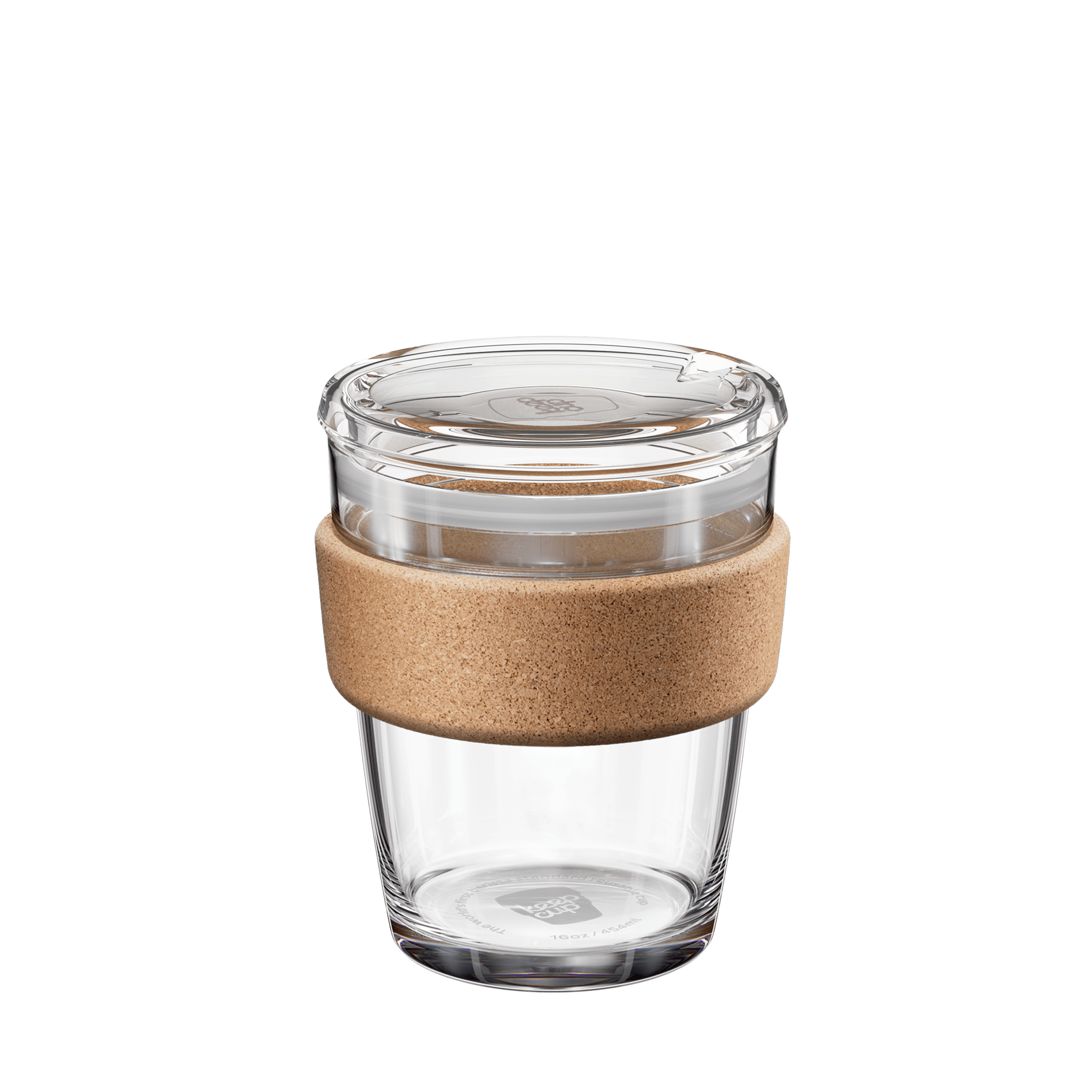
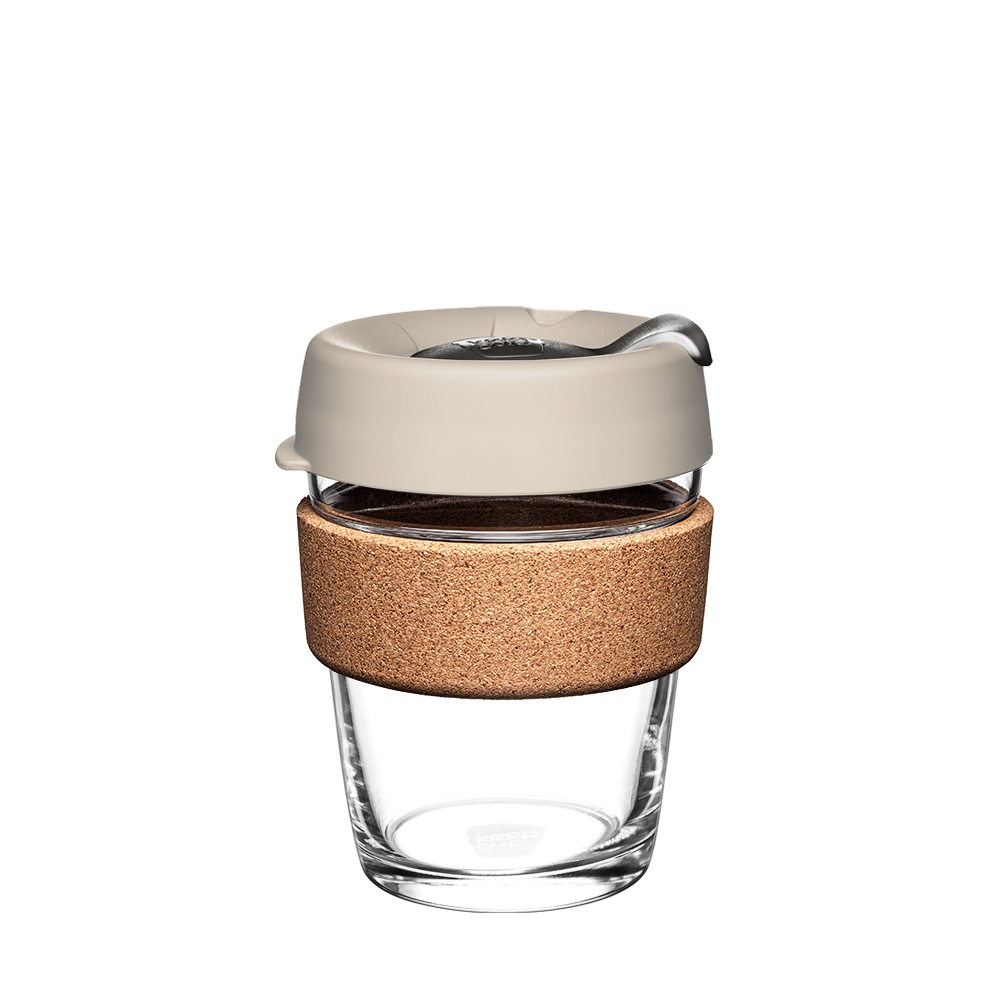
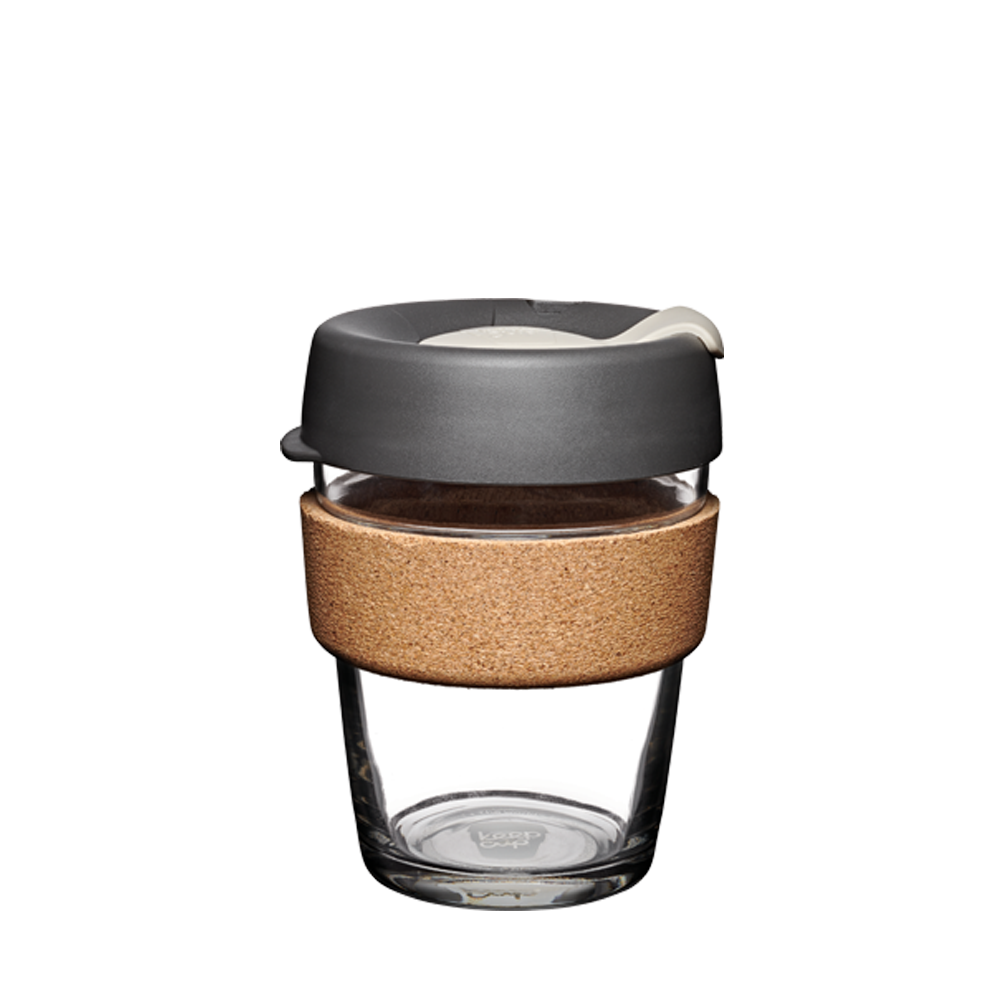
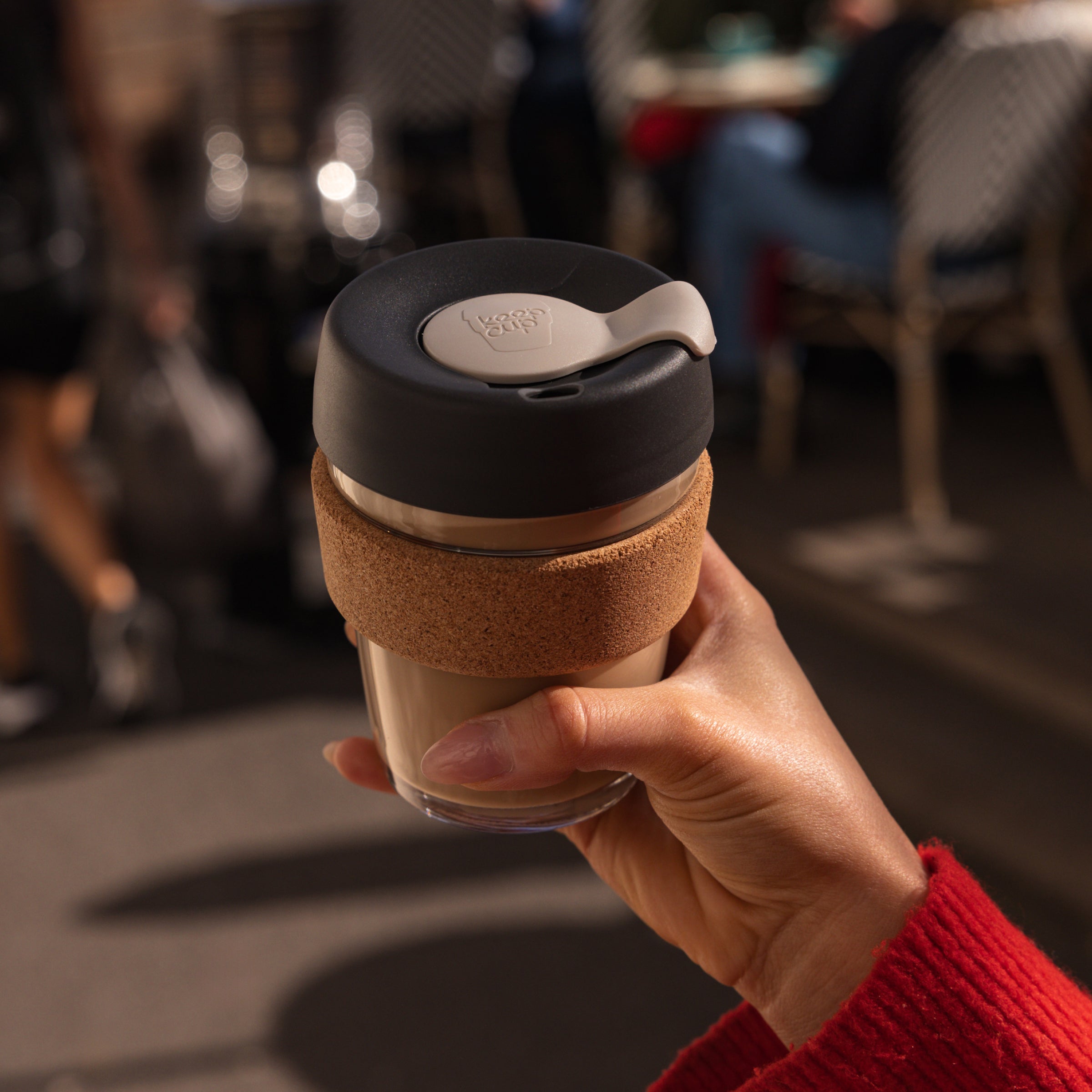
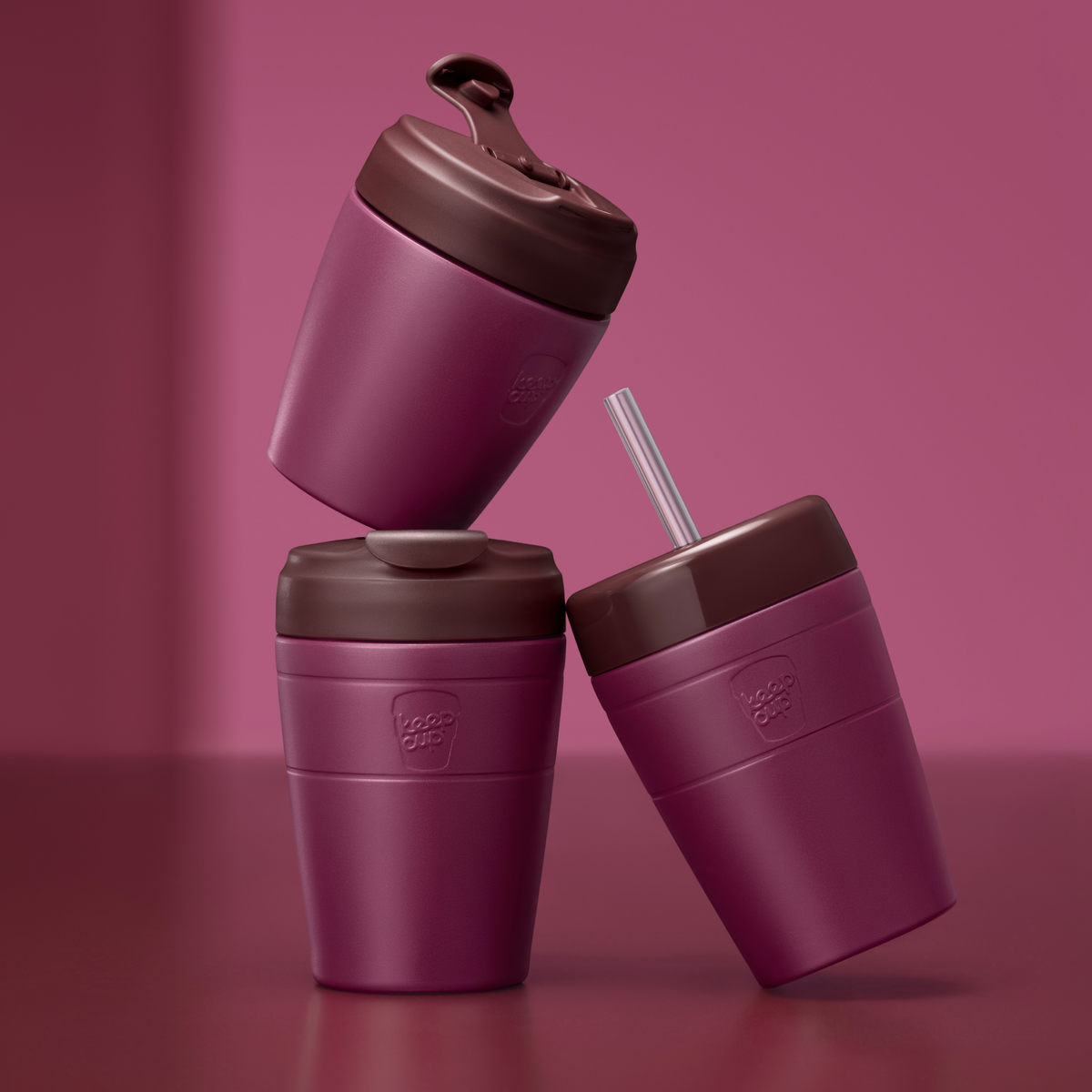
KeepCup's business depends on reuse. Every cup we sell is a vote against the disposable system that recycling tries to make less terrible. We're not against recycling — we use it ourselves and design our packaging for it. We're against the framing that recycling alone is enough.
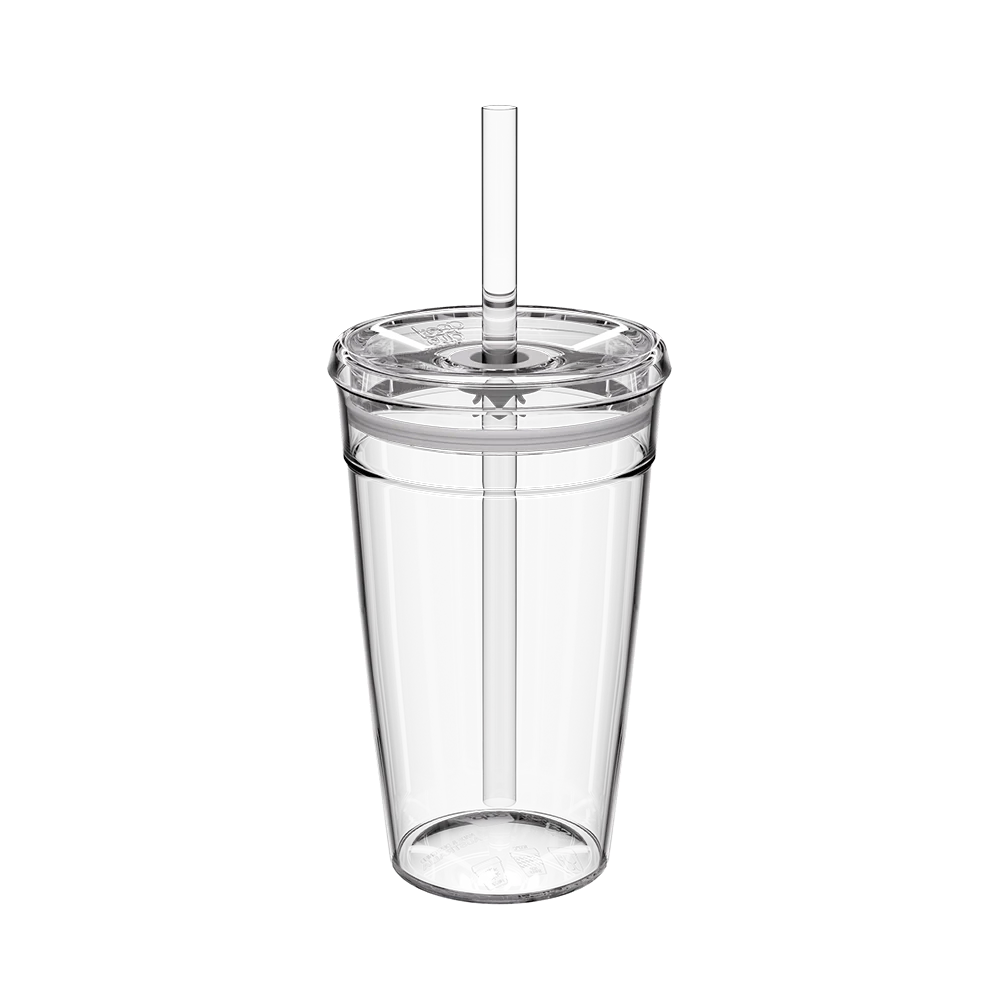
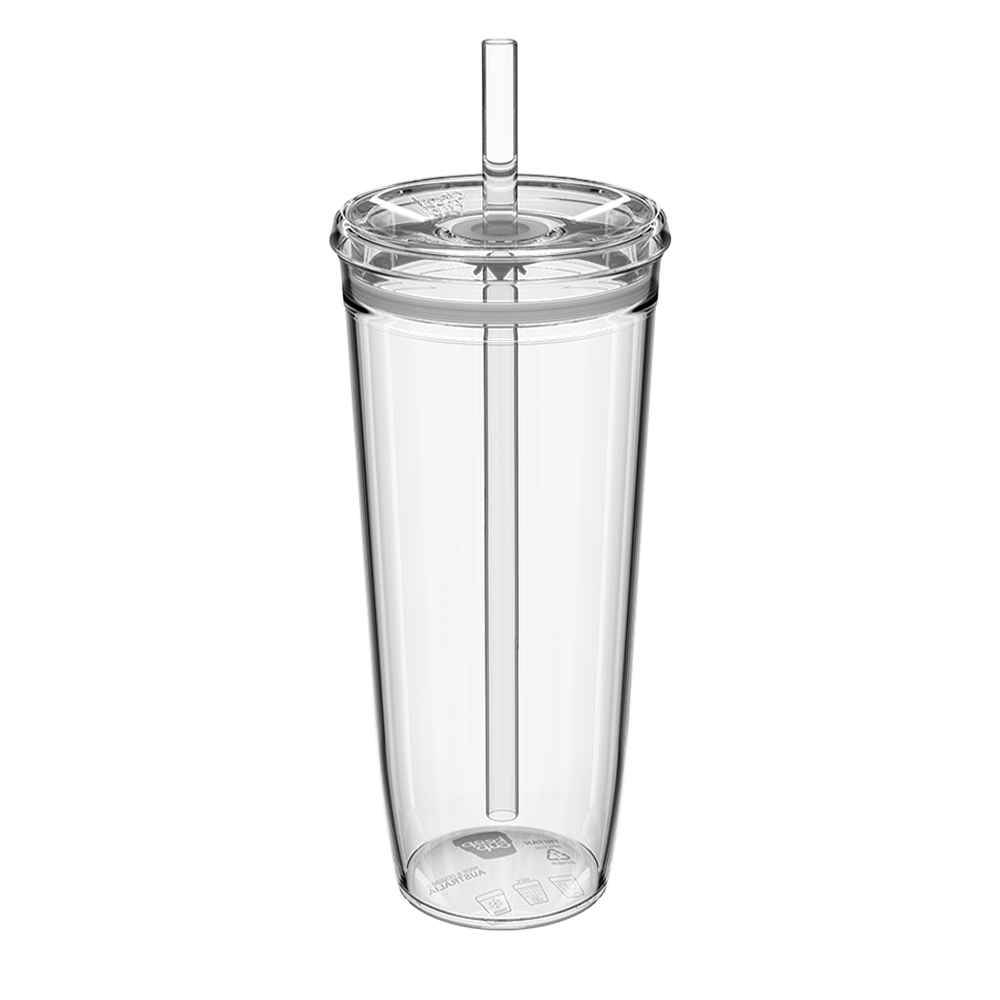
The most useful thing we can do as a manufacturer is help our customers refuse, reduce and reuse. Our entire product range exists to support that, with KeepCup products tested to 1,000 uses and modular replacement parts to extend service life further.
FAQs
Is recycling effective in Australia?
Variably. Aluminium, glass and paper recycle relatively efficiently. Rigid plastic recycles less efficiently. Soft plastic recycling has been close to zero since the 2022 REDcycle disruption.
Why isn't plastic recycling working in Australia?
Plastic isn't one material — it's multiple resin types that don't sort together. Most kerbside systems only handle a couple reliably. Plastic also degrades through recycling, meaning even successfully recycled plastic eventually reaches landfill.
What's the waste hierarchy?
Refuse, reduce, reuse, repair, recycle, recover, dispose — in that order. Recycling is fifth. The first four (refuse, reduce, reuse, repair) deliver larger environmental gains than recycling alone.
What's the biggest source of Australian household waste?
Food waste, followed by packaging (especially soft plastic), then disposable single-use items. Each category has clear reduction strategies.




Brixton Blend
The Reuse Imperative