

Reuse is moving from niche to default in Australian households, and the shape of that shift is worth understanding. This is what we're seeing across our customer community, what the pattern means for the next phase of the disposable economy, and where the opportunities for businesses, policymakers and households still lie.
Where Reuse Is Now Working in Australia
Three categories where Australian household reuse is now broadly embedded:
- Shopping bags. Bring-your-own at the supermarket is the default for most households. The plastic bag ban accelerated a shift that was already underway.
- Water bottles. Reusable bottles are now the default in offices, gyms, schools and active recreation. Bottled water still has a market, but for daily hydration the reusable has won.
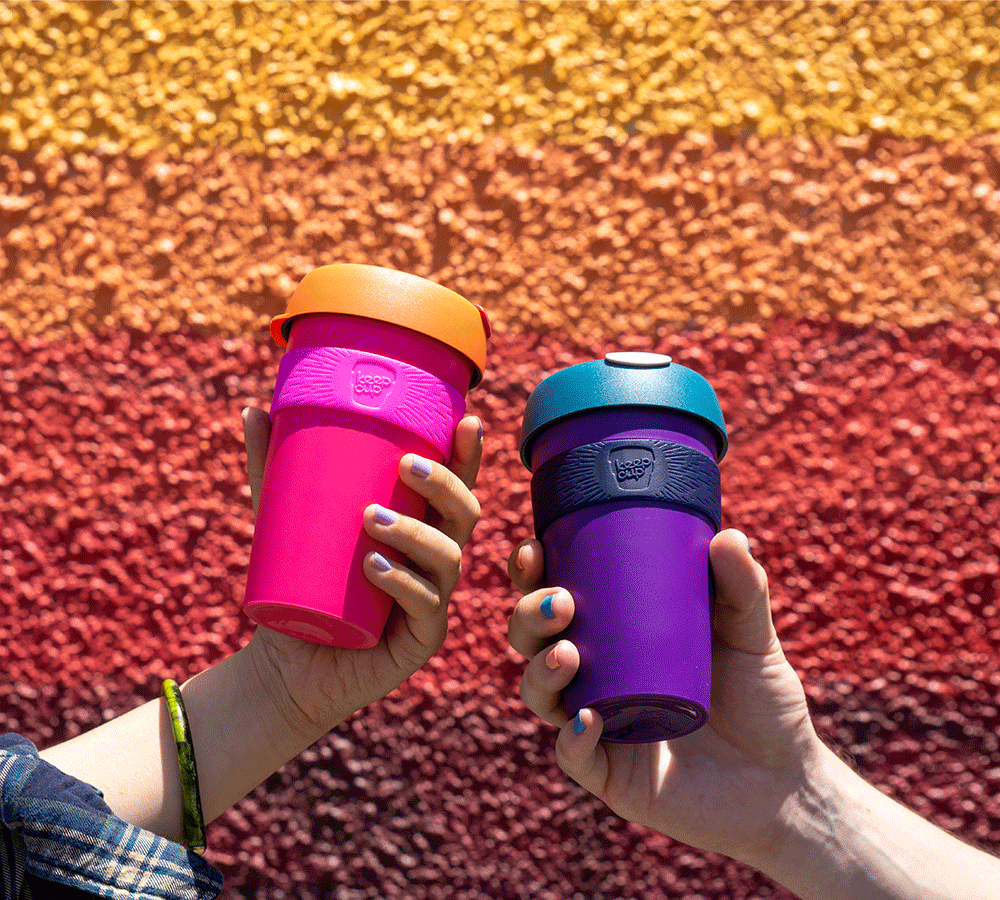
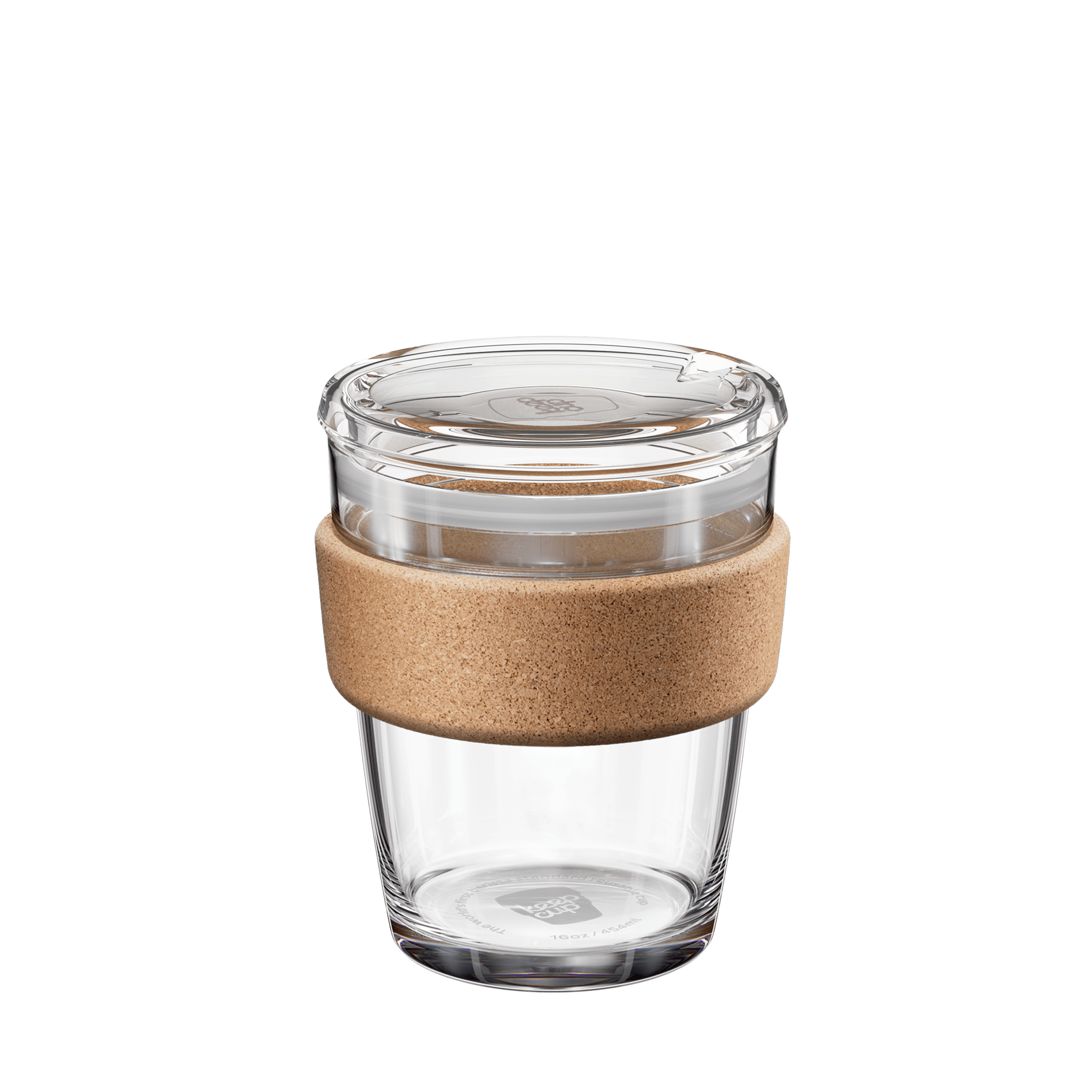
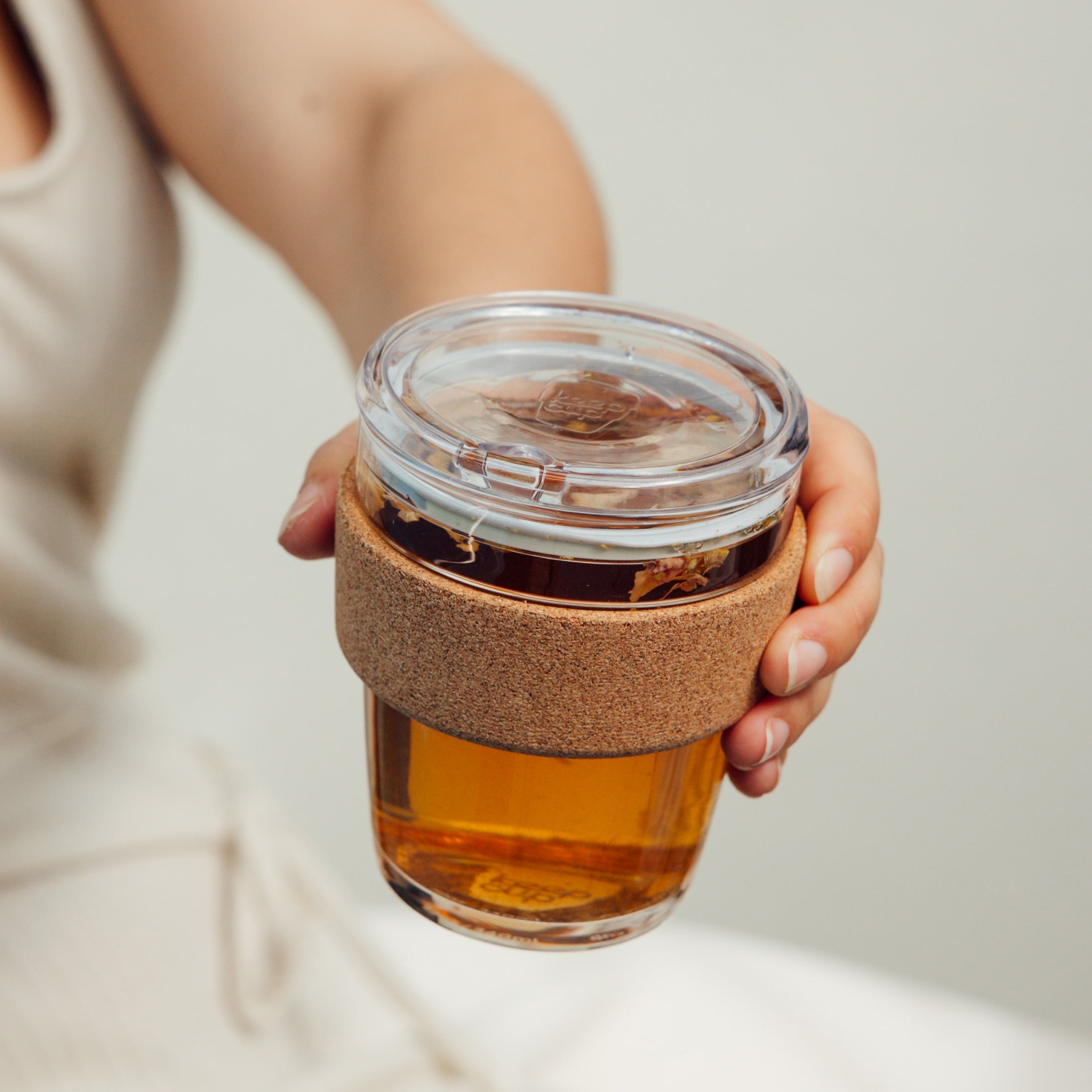
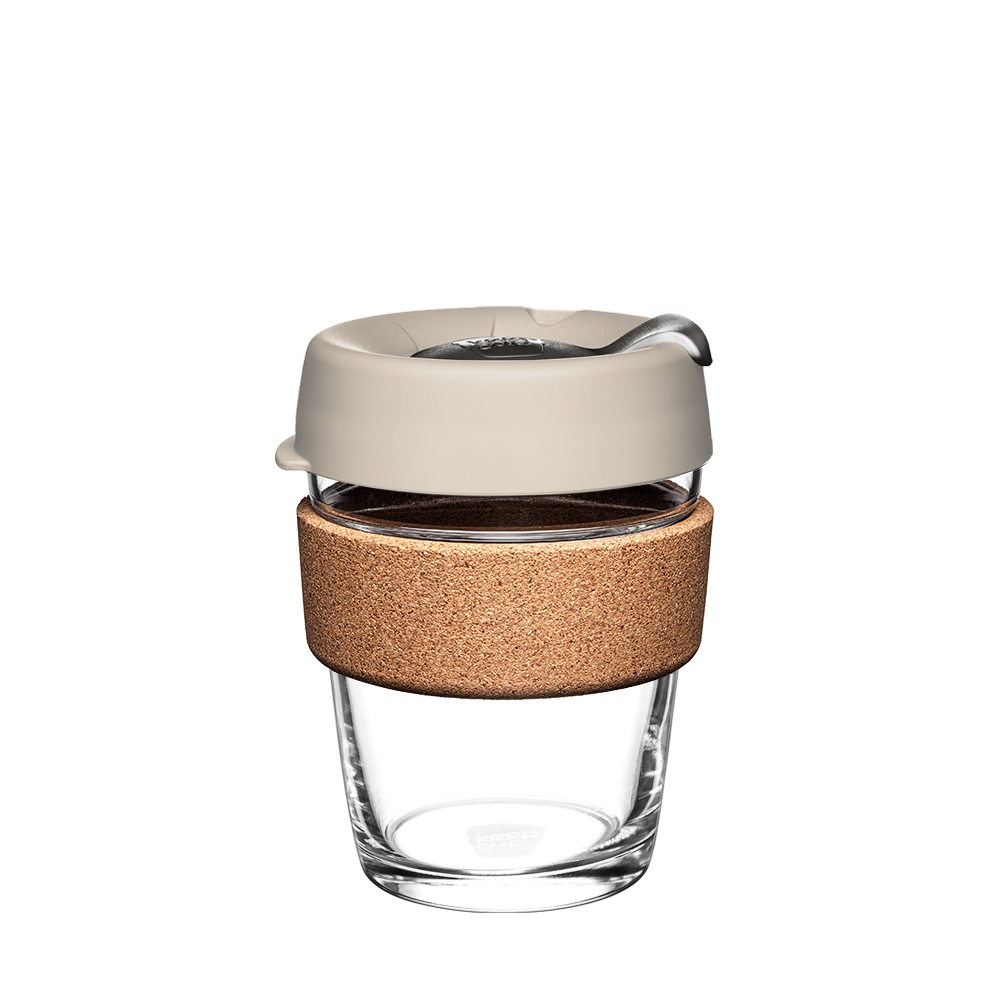
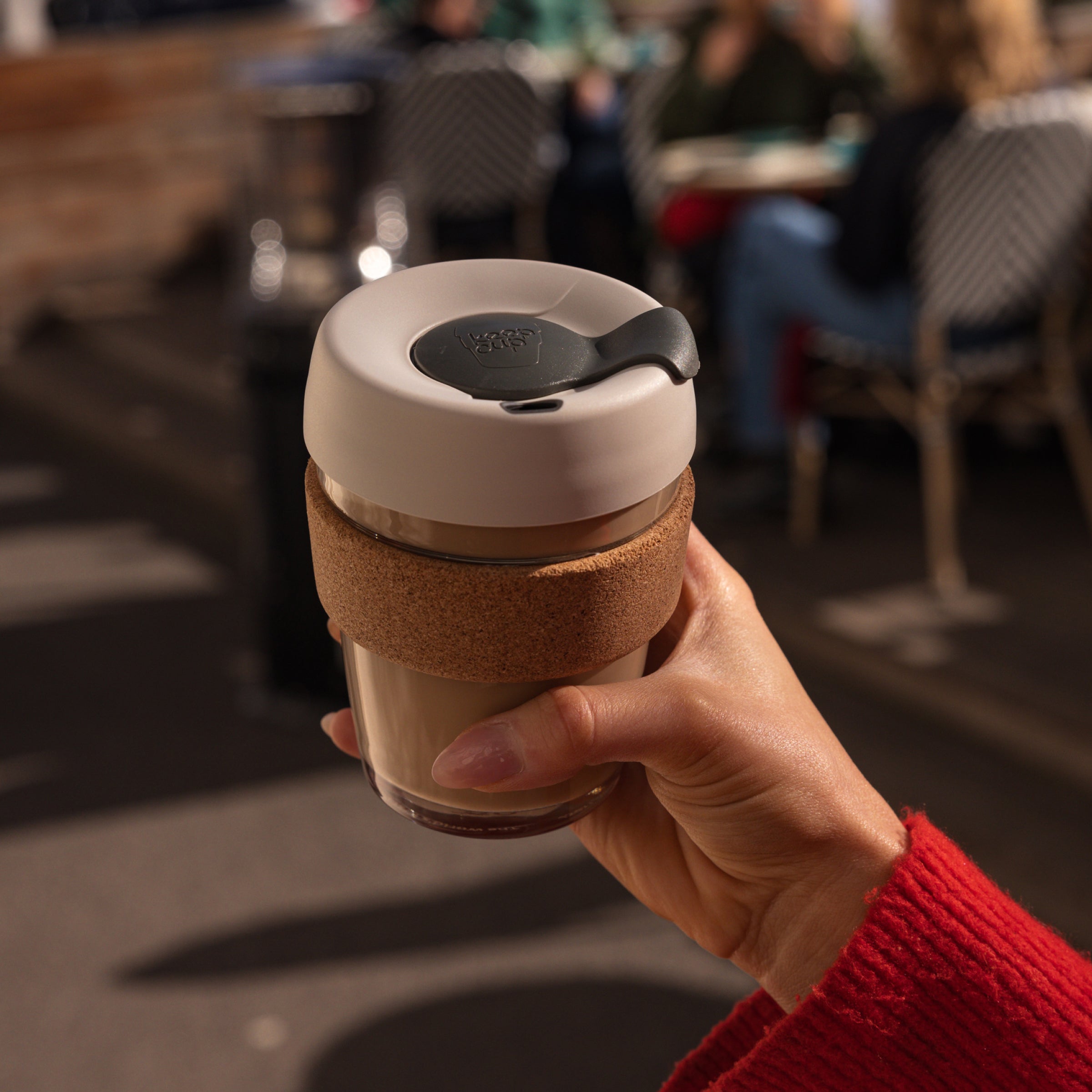
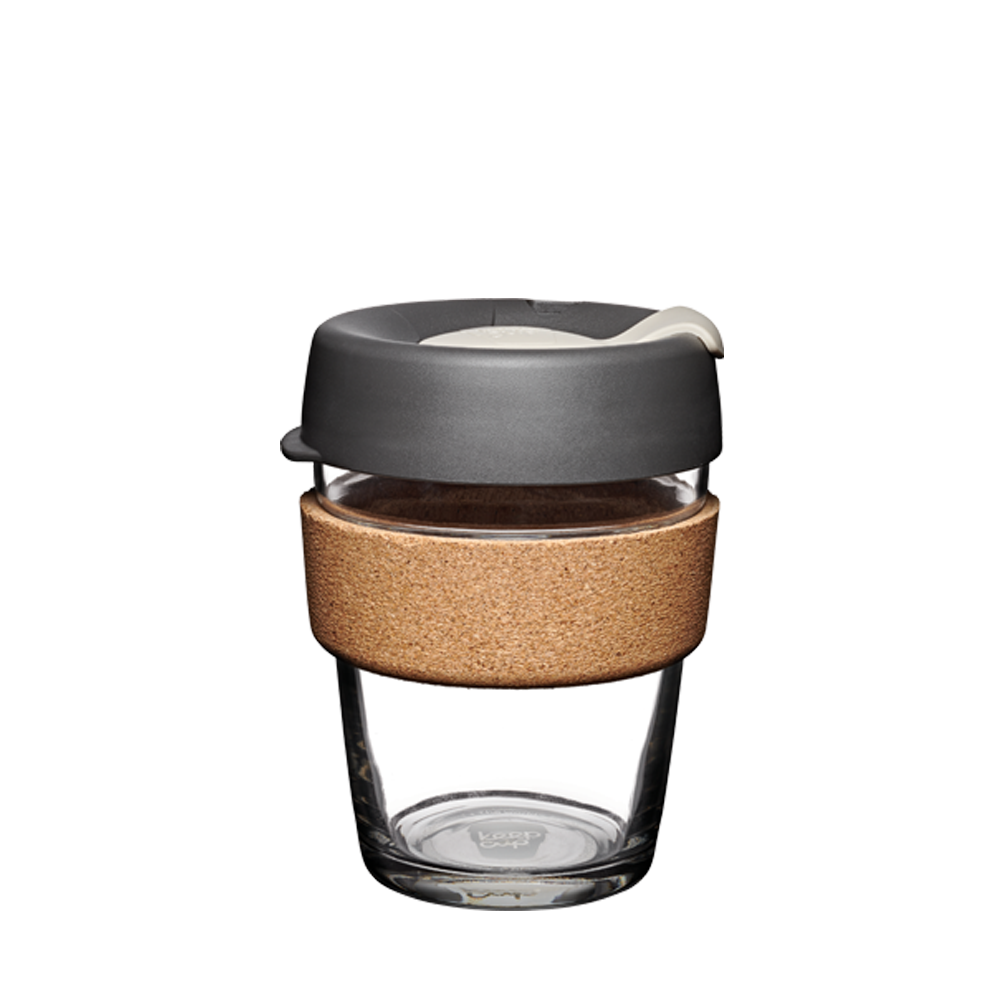
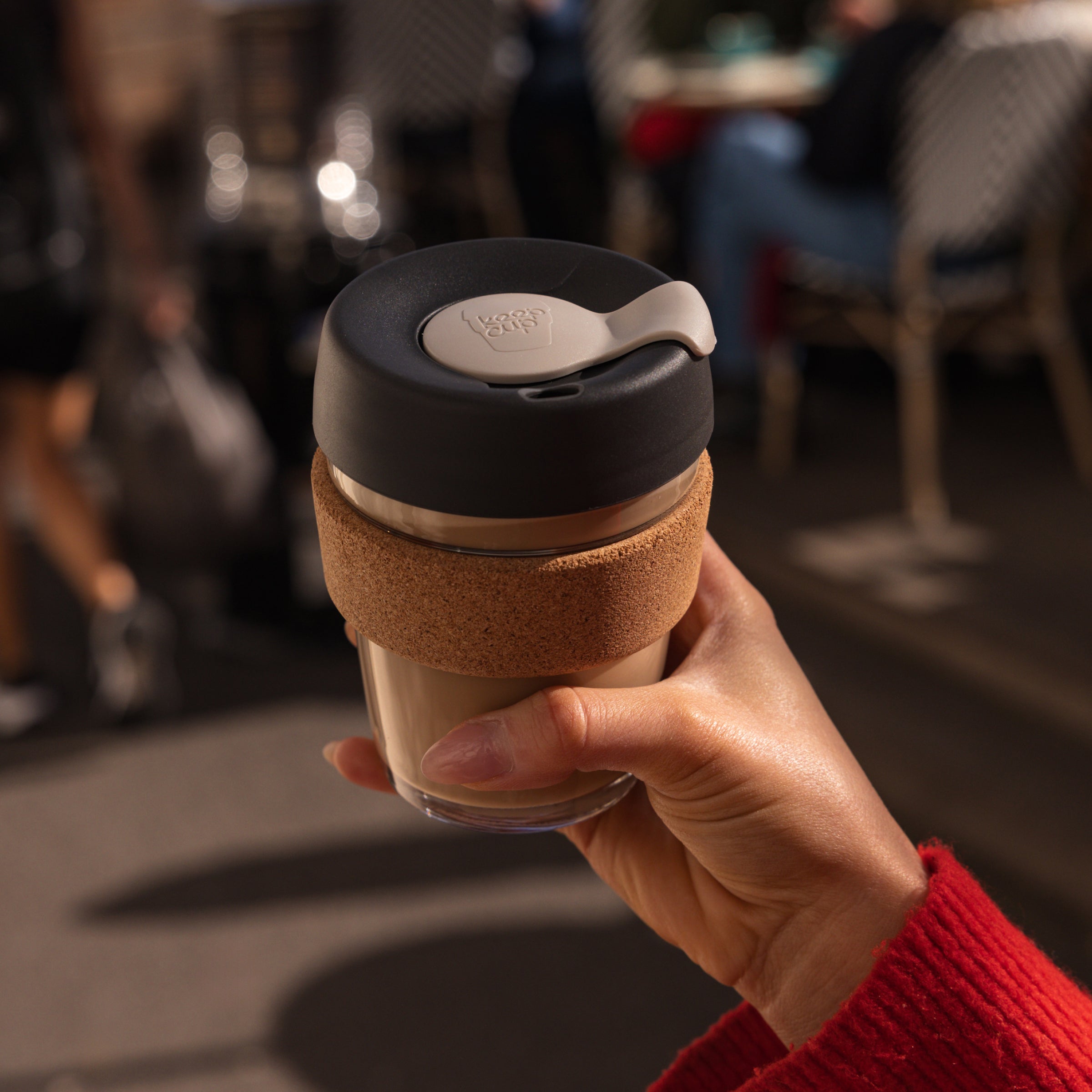
- Coffee cups. Reusable cups are widely accepted at Australian cafés. Adoption varies by location and customer segment, but the cultural shift is underway.
Where Reuse Is Still Catching Up
Categories with significant remaining headroom:
- Takeaway food containers. The infrastructure for bringing your own container is patchy. Some venues actively support it; many haven't built the service flow.
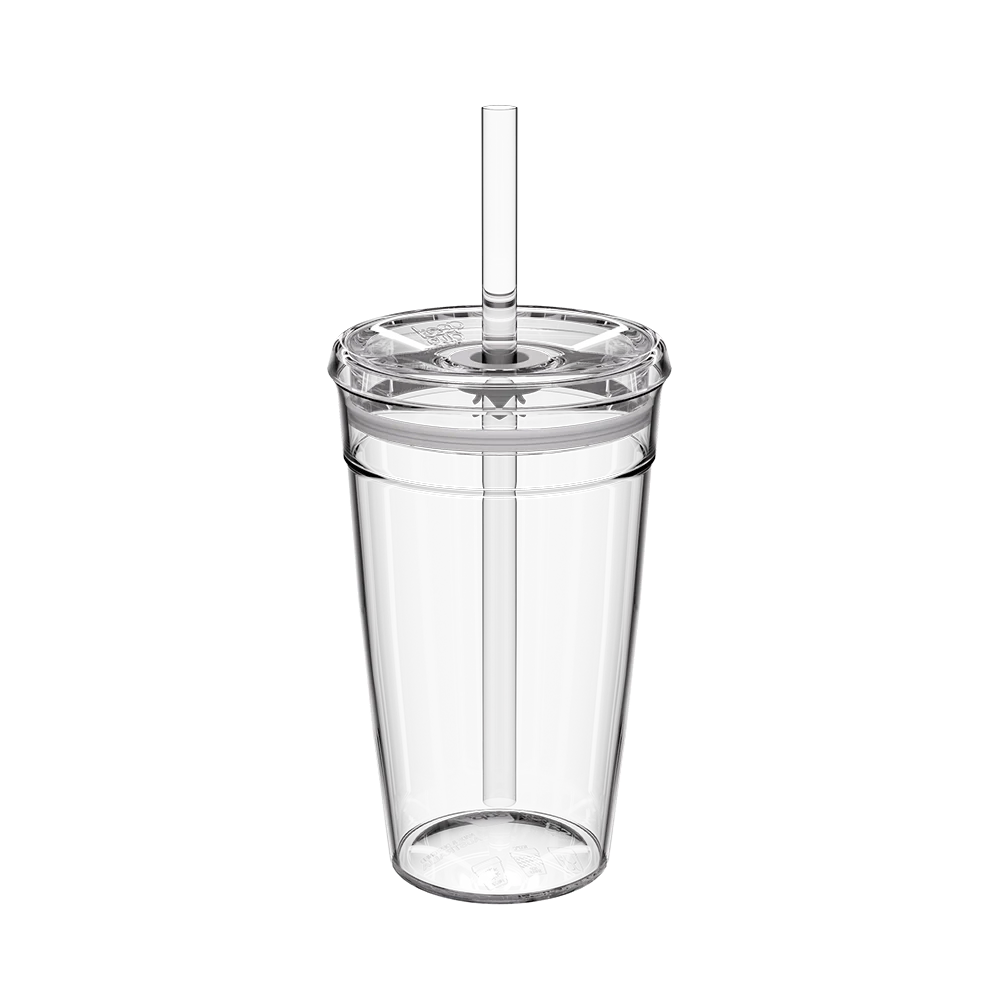
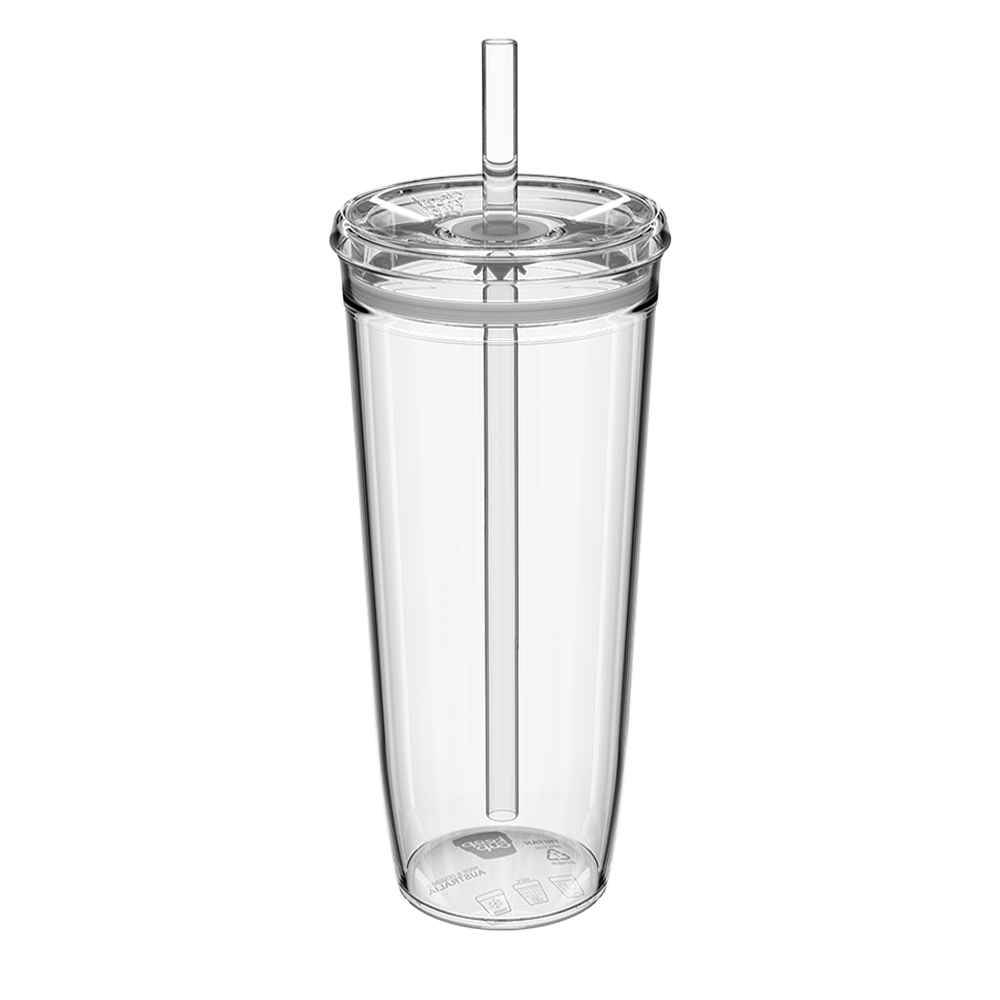
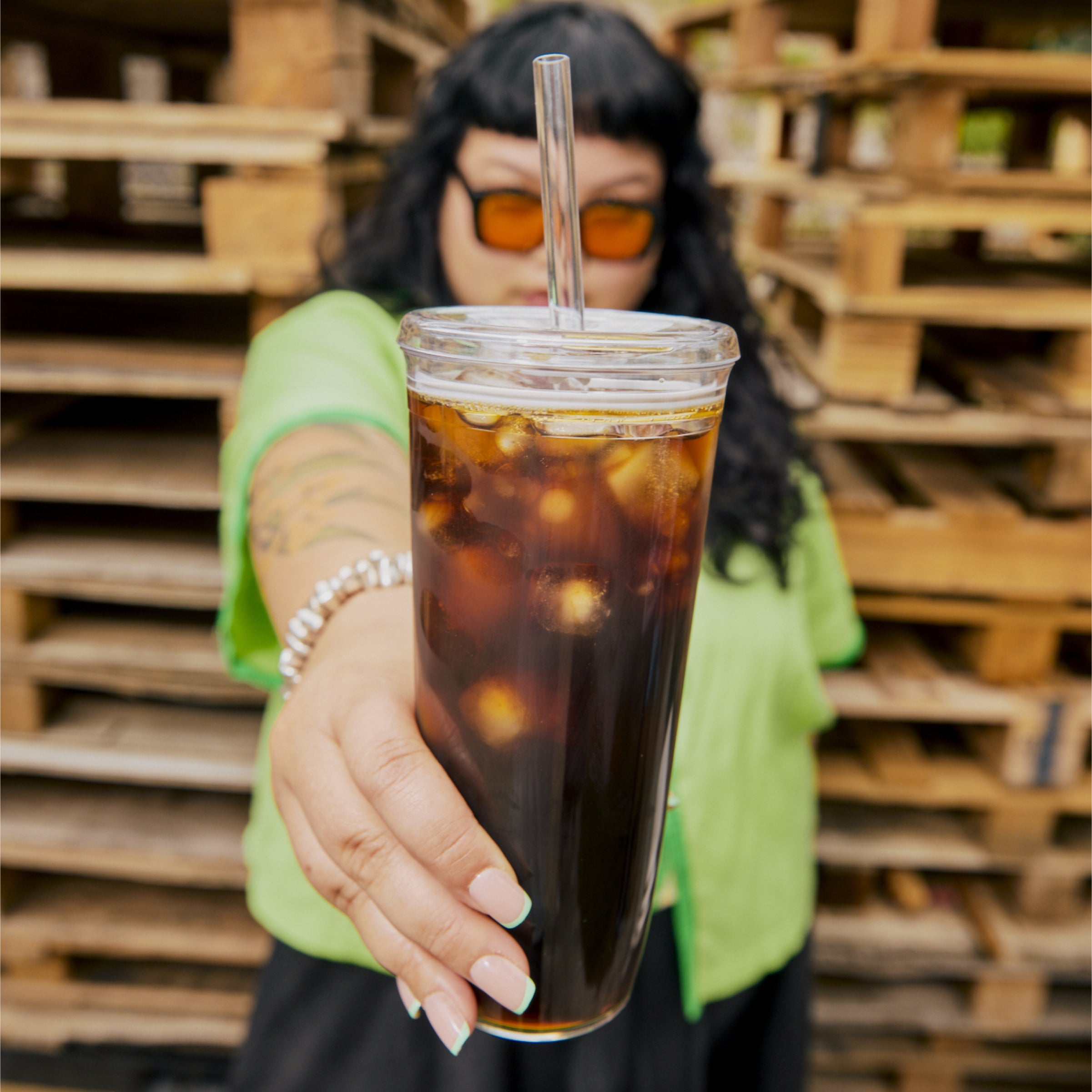
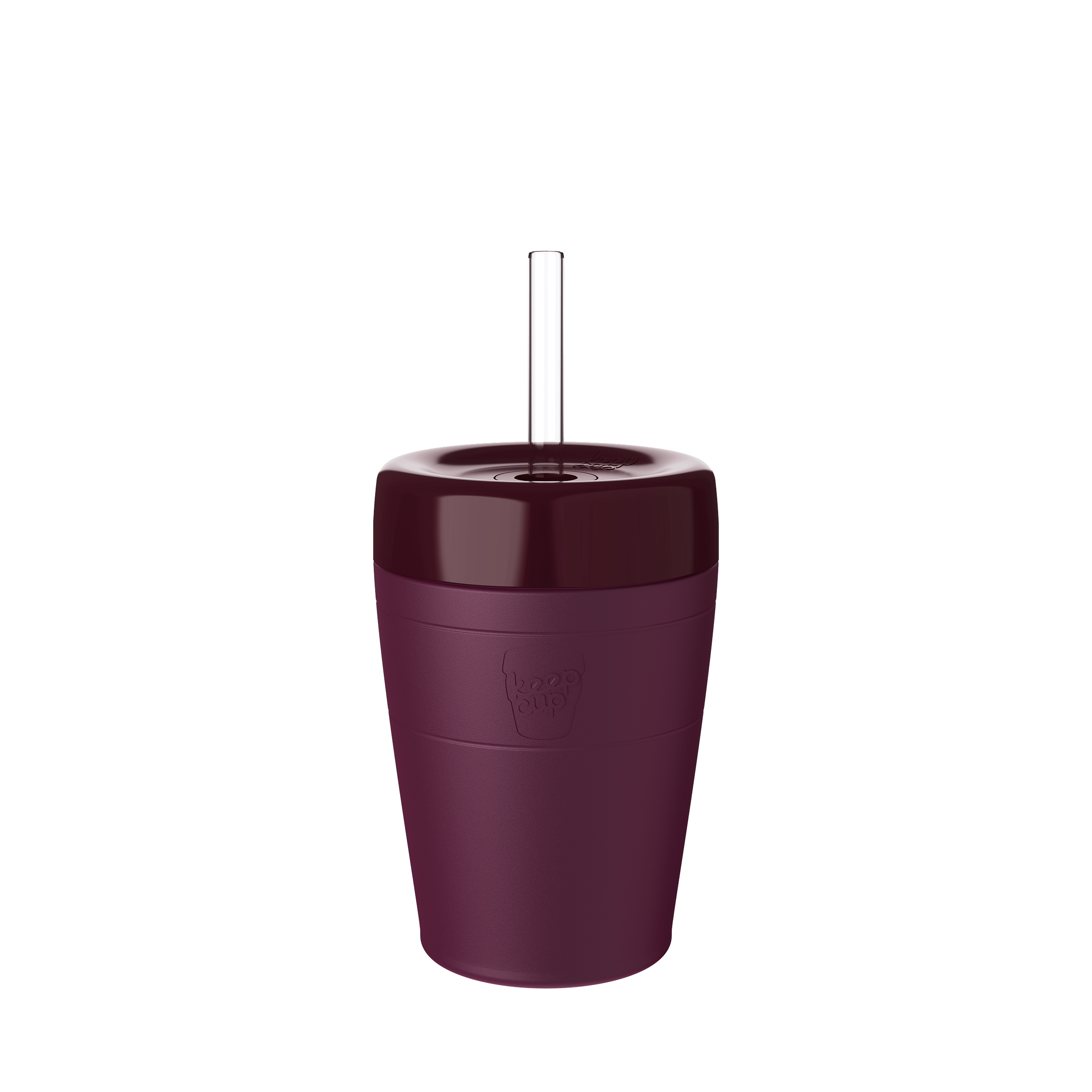
- Cold cup and bubble tea. Cold drink reuse lags hot drink reuse. The same customers who'd never use a disposable for their flat white routinely accept disposables for iced coffee and boba.
- Soft plastic packaging. Once REDcycle disruption hit, soft plastic recovery essentially stopped. Reuse alternatives (bulk shopping, refill stores) are growing but from a low base.
- Online retail packaging. Ecommerce has grown faster than packaging reform. The bubble wrap and polymailer category is now a leading source of household waste.
What the Reuse Customer Tells Us
The Australian reuse customer is typically:
- Cross-generational — reuse skews younger but adoption is now broad across age groups.
- Quality-conscious — willing to pay more for a product that lasts, repairs and performs.
- Time-pressed — wants the reusable system to be operationally invisible, not a daily friction.
- Sceptical of greenwashing — looks for verified claims (B Corp, LCA, third-party certifications).
- Loyal once committed — the reusable habit, once established, tends to stick.
What Sustains the Reuse Habit
Five factors that consistently emerge in research and customer feedback:
- Permanent carry. The reusable that lives in the bag, the car or the desk drawer gets used. The one that gets left behind doesn't.
- Durable product. A reusable that fails early erodes the habit. KeepCup products are tested to 1,000 uses.
- Replacement parts. When a seal perishes or a lid is lost, the cup should continue. Modular replacement keeps cups in service.
- Café acceptance. Reuse holds where the service flow supports it. Resistance at point-of-sale rebuilds disposable habits.
- Visible default-switching. When the café asks "would you like that in your reusable?" rather than handing over a disposable, reuse becomes the cultural norm rather than the request.
What Breaks the Reuse Habit
Three failure modes worth designing around:
Forgetting
The largest reason committed reusable owners use disposables is forgetting to bring the reusable. The cure isn't motivation — it's permanent carry as a designed habit.
Product Failure
A perished seal or lost lid is the moment many reuse journeys end. The cheap cup that fails at six months is worse than no reusable at all. Designed-to-last products with replacement parts solve this.
Venue Friction
When a café declines a reusable or charges a surcharge, the customer often reverts. Café acceptance is a structural enabler the customer cannot fix individually.
What the Trajectory Looks Like
The Australian reuse trajectory has been a slow, accelerating curve for over a decade. The disposable economy's structural advantages — cheap inputs, no end-of-life responsibility, frictionless convenience — are still substantial. But the cultural acceptance of reuse, the maturity of the reusable product category, and the gradual tightening of the policy environment all point in one direction.
The next decade is where reuse either becomes the cultural and infrastructural default for Australian households, or stays a strong-but-niche choice for a committed minority. The trajectory matters. The investment in the systems that support reuse matters.
FAQs
Is reuse working in Australia?
For some categories — bags, water bottles, hot drink cups — reuse is now broadly embedded in Australian households. For others — takeaway containers, cold drinks, soft plastic packaging — there's significant headroom remaining.
Why do people stop using reusables?
Forgetting to carry, product failure, and venue friction at point-of-sale are the three most common reasons. The cure isn't motivation — it's permanent carry, durable products, and supportive venues.
How long do KeepCup products last?
KeepCup products are tested to 1,000 uses. Modular replacement parts (lids, seals, bands) extend service life beyond that.
What does it take for a reuse habit to stick?
Permanent carry, durable products, replacement parts, café acceptance, and default-switching language at the point of sale. Five factors that compound into reliable behaviour.



Australian climate leadership is 30 years behind
How do we vote for the future we want?