

Most reusable products don't have a takeback program. That's the simple reason "recyclable" claims often don't translate into recovered material at end-of-life — the manufacturer designs the product, then washes their hands of what happens after the customer is done with it.
Takeback schemes are the answer to that gap. They're also harder to build than to promise. Here's what a takeback program is, why it matters, and where KeepCup's takeback work currently sits.
What is a takeback scheme?
A takeback scheme is a manufacturer-operated system that accepts end-of-life products from customers, then recovers the materials or components for reuse or recycling. The manufacturer takes responsibility for closing the loop, rather than relying on municipal kerbside recycling to do it.
The principle is called extended producer responsibility, and it's the strongest single lever for circular product economies.
Why kerbside recycling isn't enough
Australian household kerbside recycling recovers only some of what goes into the bin. Plastic, in particular, recycles inefficiently — most resin types aren't accepted in kerbside streams, and even accepted plastic typically gets downcycled into lower-grade products that ultimately reach landfill.
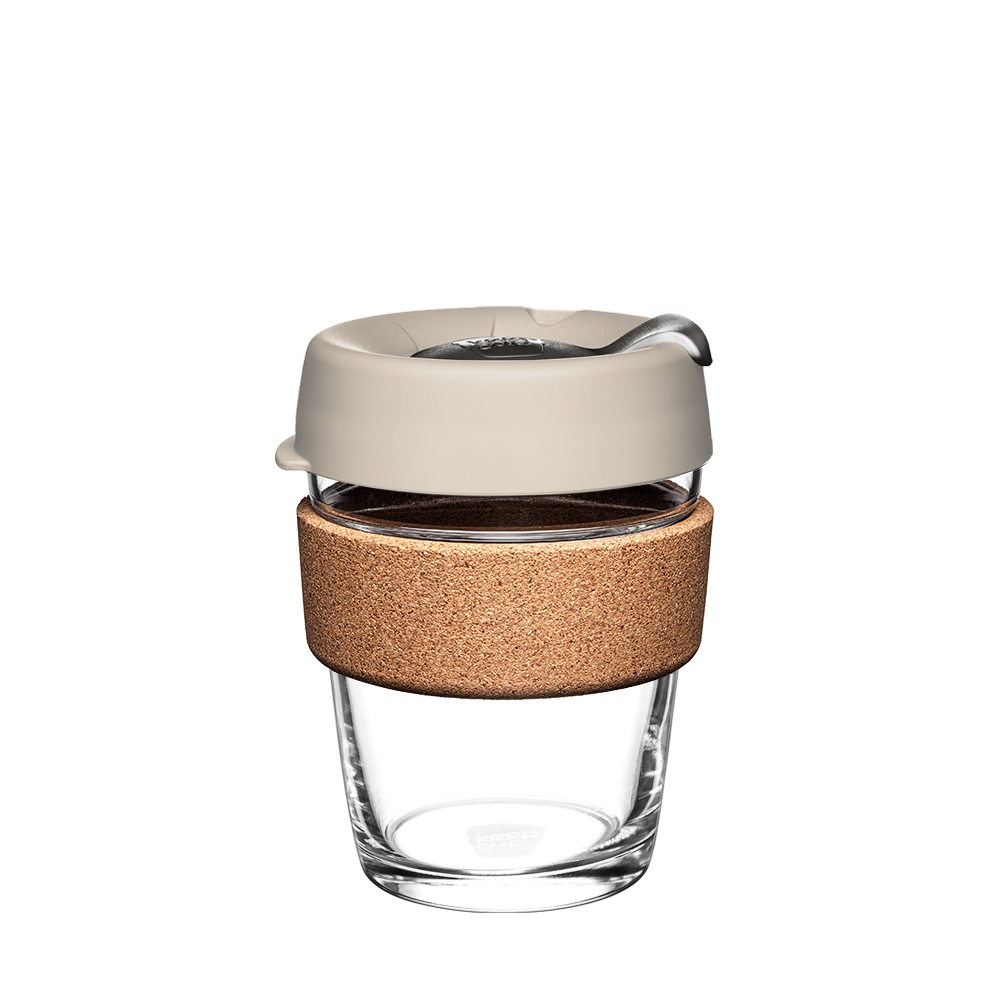
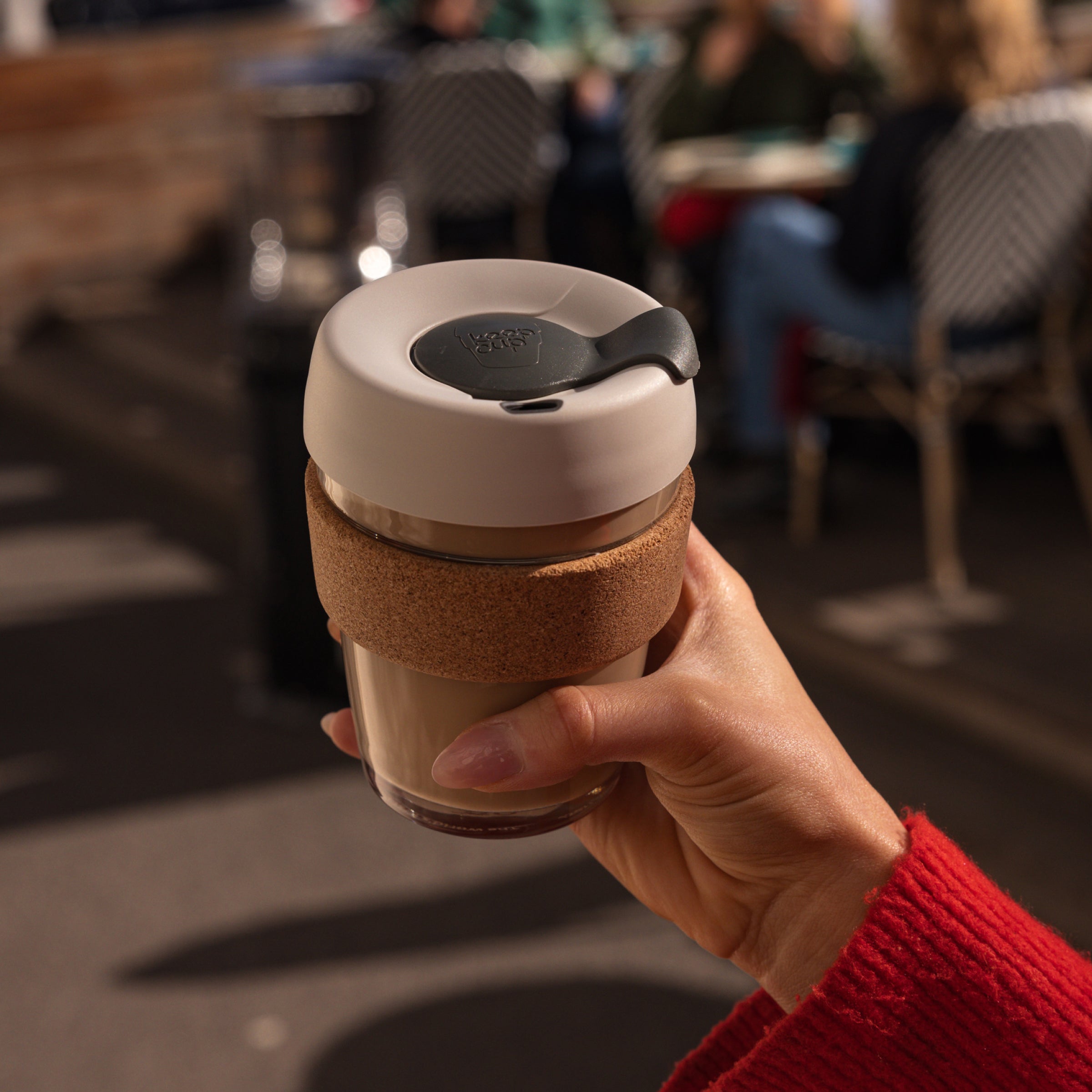
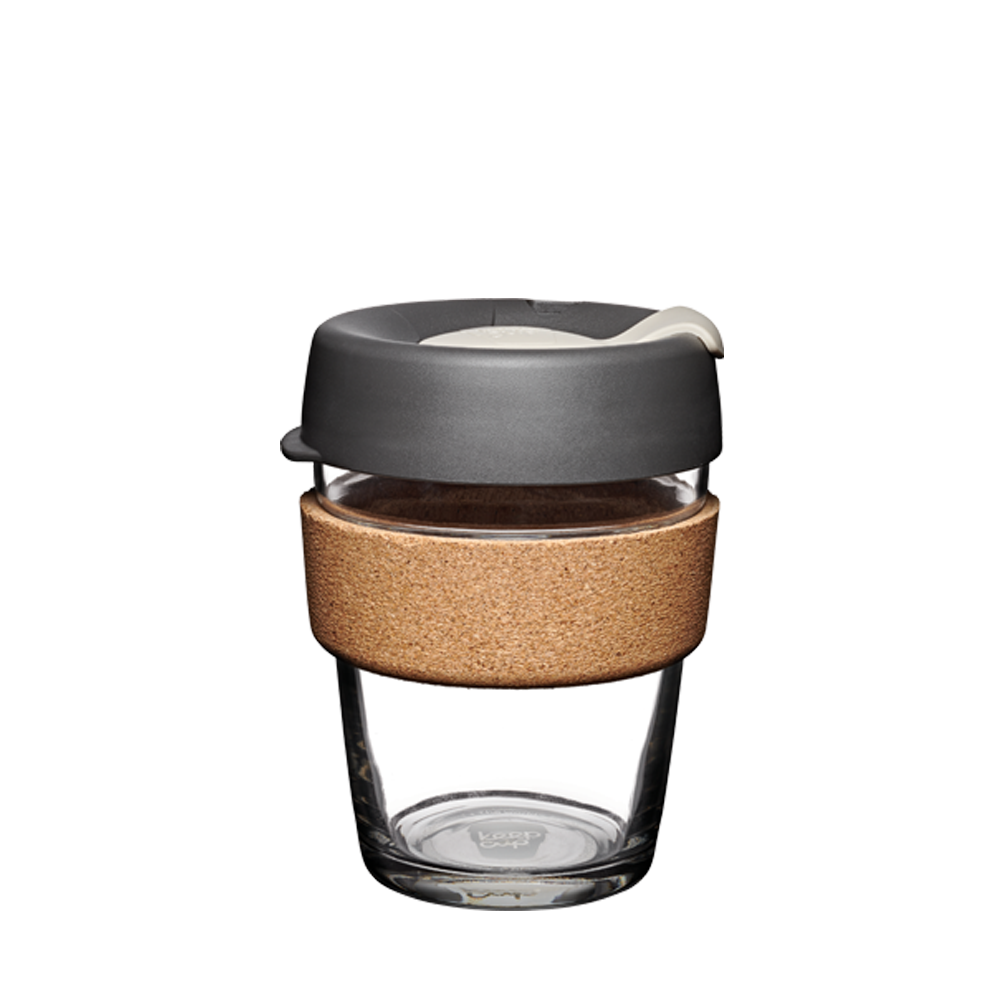
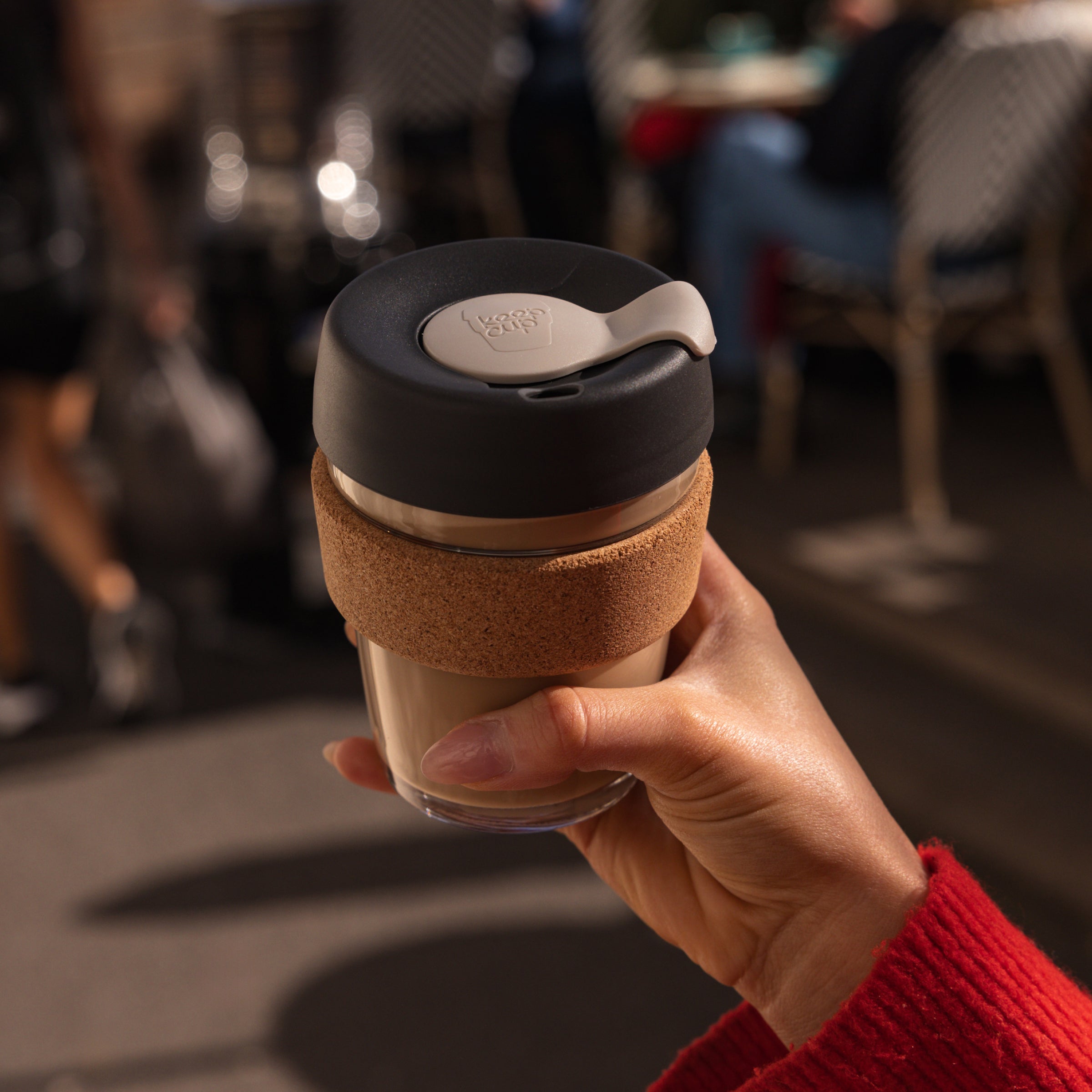
Reusable products that contain mixed materials (cup body, lid, band, seal) are harder still. Kerbside sorting wasn't designed for them. Without manufacturer takeback, even a well-designed reusable can end up in landfill at end-of-life.
What KeepCup is doing
Three things, in increasing order of ambition:
1. Modular replacement parts
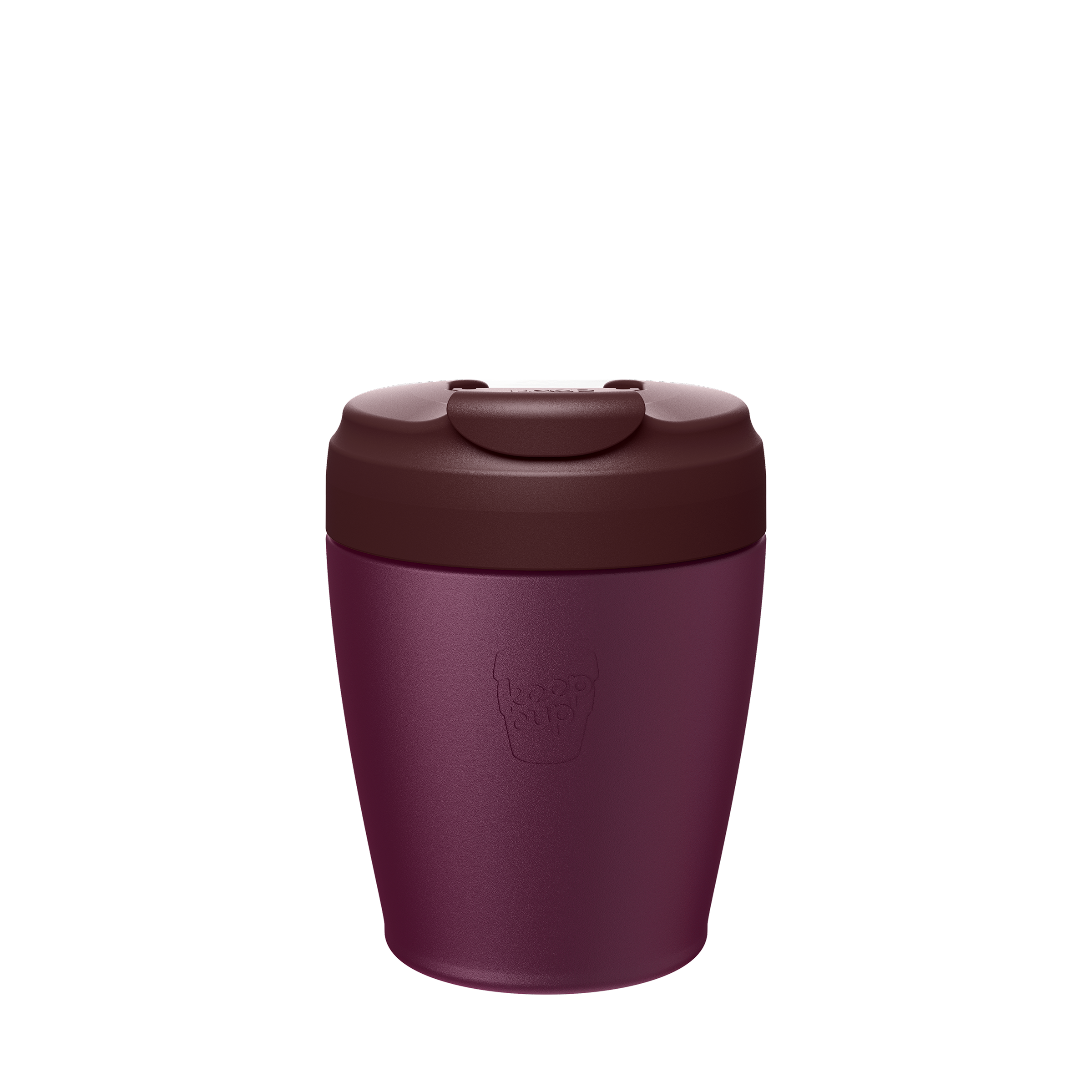
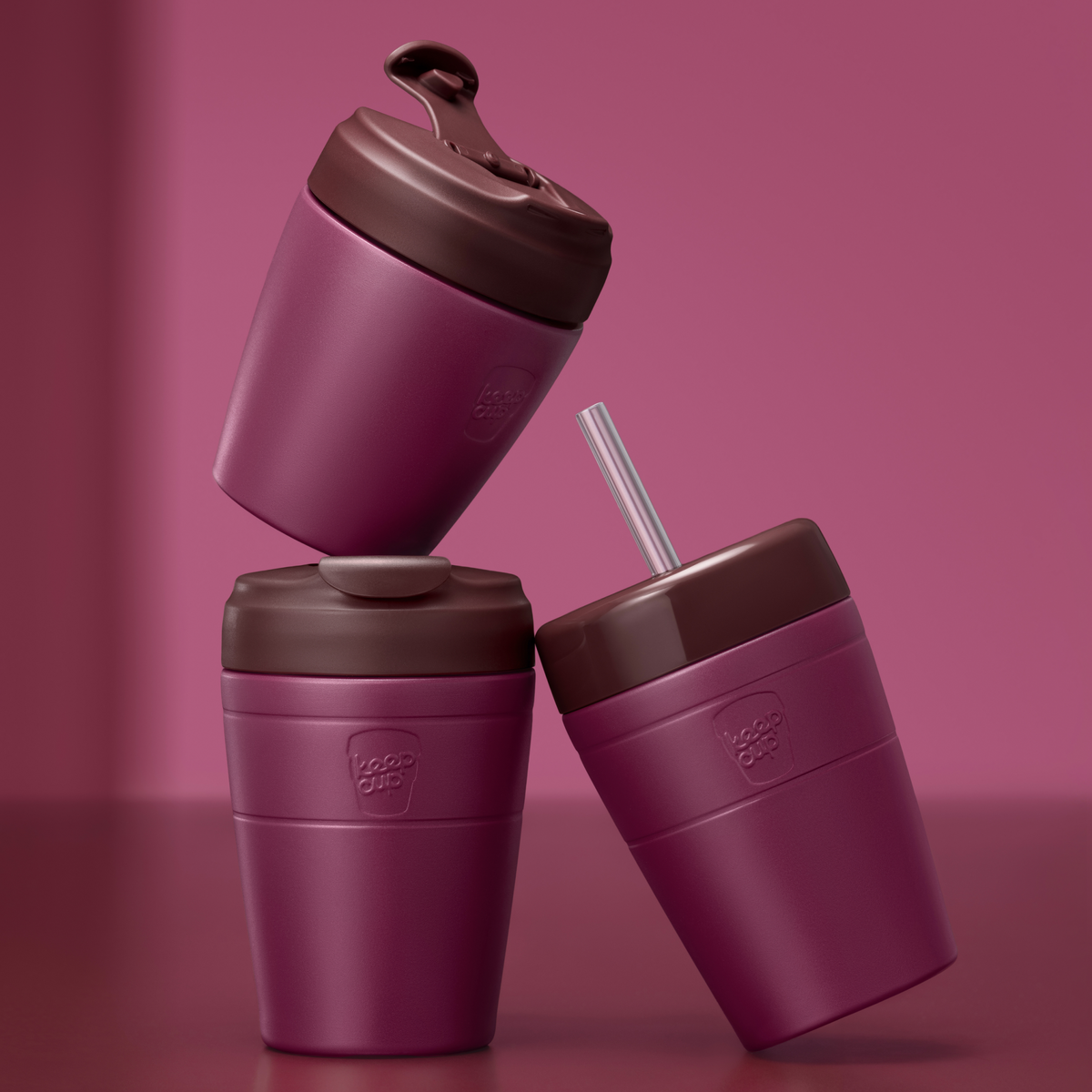
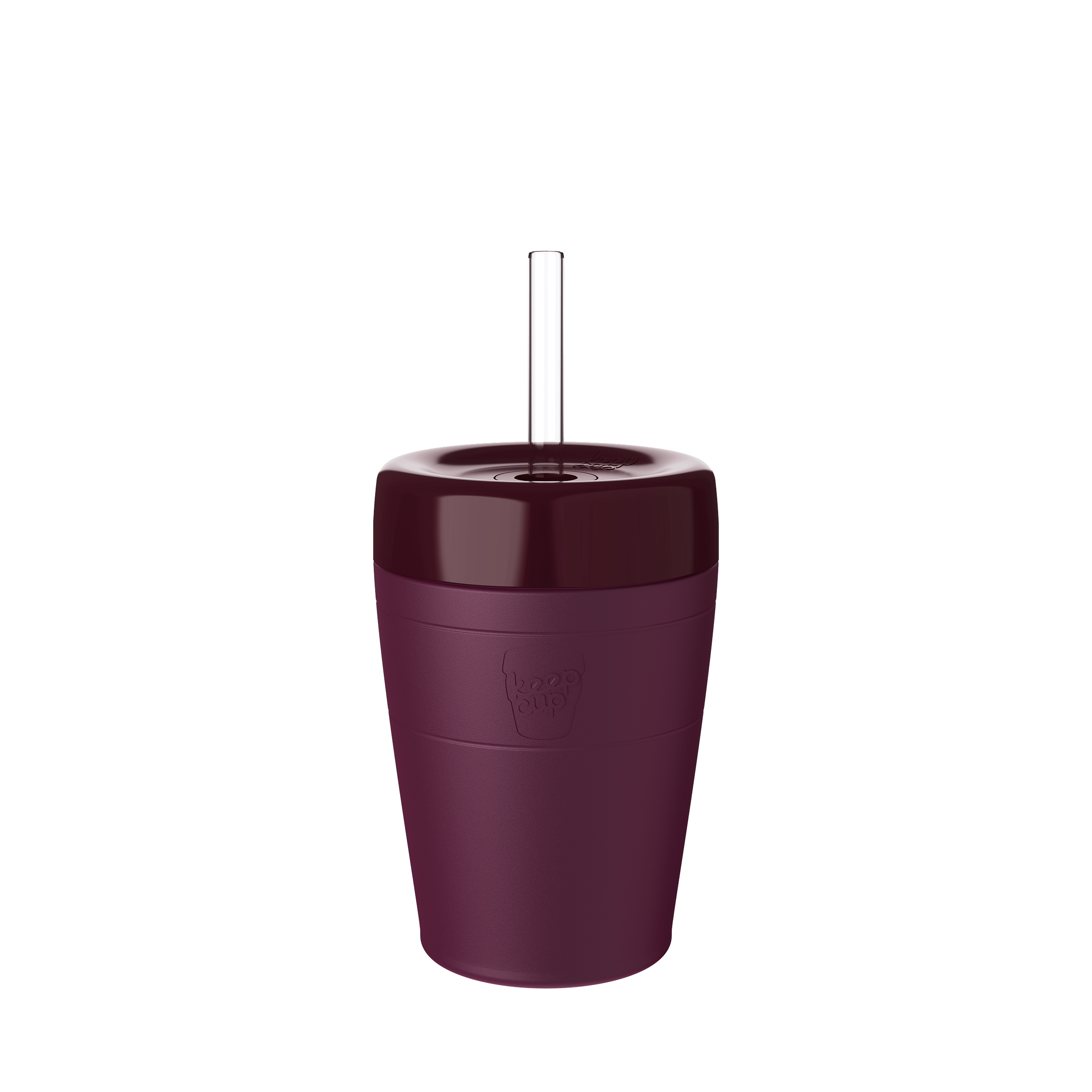
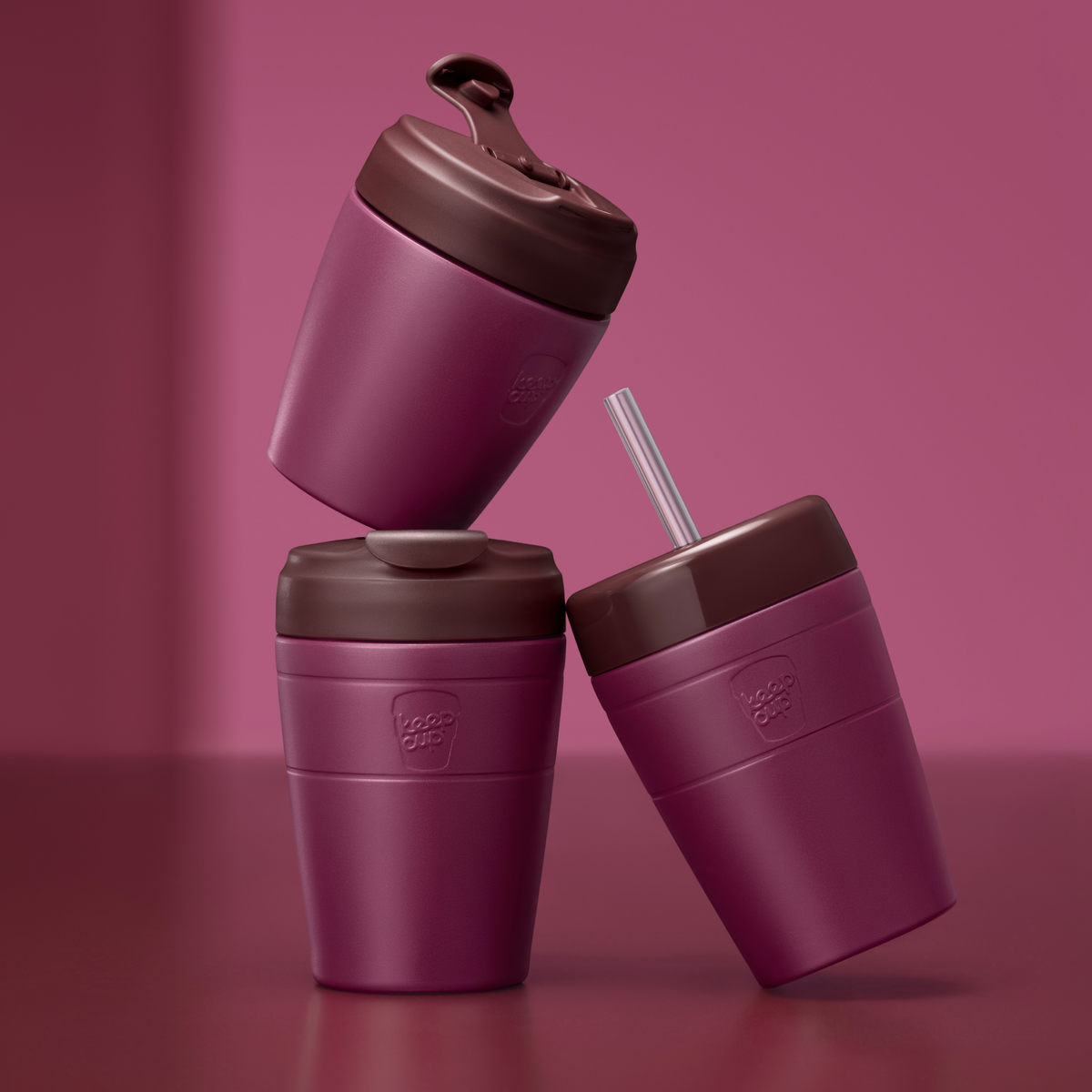
Every KeepCup product has individually replaceable seals, lids and bands. A failed component doesn't mean a discarded cup — it means a $4 replacement seal. This is the simplest form of circular product design.
2. Pilot takeback in Australia
A pilot takeback program is running for selected products. Customers can return end-of-life cups via post or at participating partner cafés. Recovered materials are sorted, components are reused where viable, and the rest is processed through specialist plastic recyclers rather than landfill.
3. Repair partnerships
Selected KeepCup retail partners can re-fit replacement parts on-site. The cup walks in damaged, walks out working. This dramatically reduces the volume of cups discarded for component failure.
What customers can do
- Order replacement parts before discarding a cup with a worn component.
- Take advantage of the pilot takeback program if you're in a region it covers.
- Choose products with manufacturer takeback over those without.
Why this matters
Recycling, as currently practised, can't keep up with disposable consumption growth. Takeback schemes operated by manufacturers are one of the higher-leverage interventions available — they shift the economic incentive toward durable, recoverable, repairable design, and away from disposable defaults.
FAQs
Does KeepCup have a takeback program in Australia?
A pilot takeback program is operating. National rollout is planned for a future phase. Modular replacement parts are available across the full range now.
What happens to recovered KeepCups?
Components in good condition are reused. The rest is processed through specialist recyclers — not kerbside, which would result in landfill for most components.
How long do KeepCup products last?
KeepCup products are tested to 1,000 uses, and replacement parts extend the life well beyond that.
Can I return a KeepCup that's been damaged?
Yes — contact KeepCup customer service. In most cases, replacement parts solve the issue without needing to return the cup.





B Corp: More than a sticker for participation
Australian climate leadership is 30 years behind