

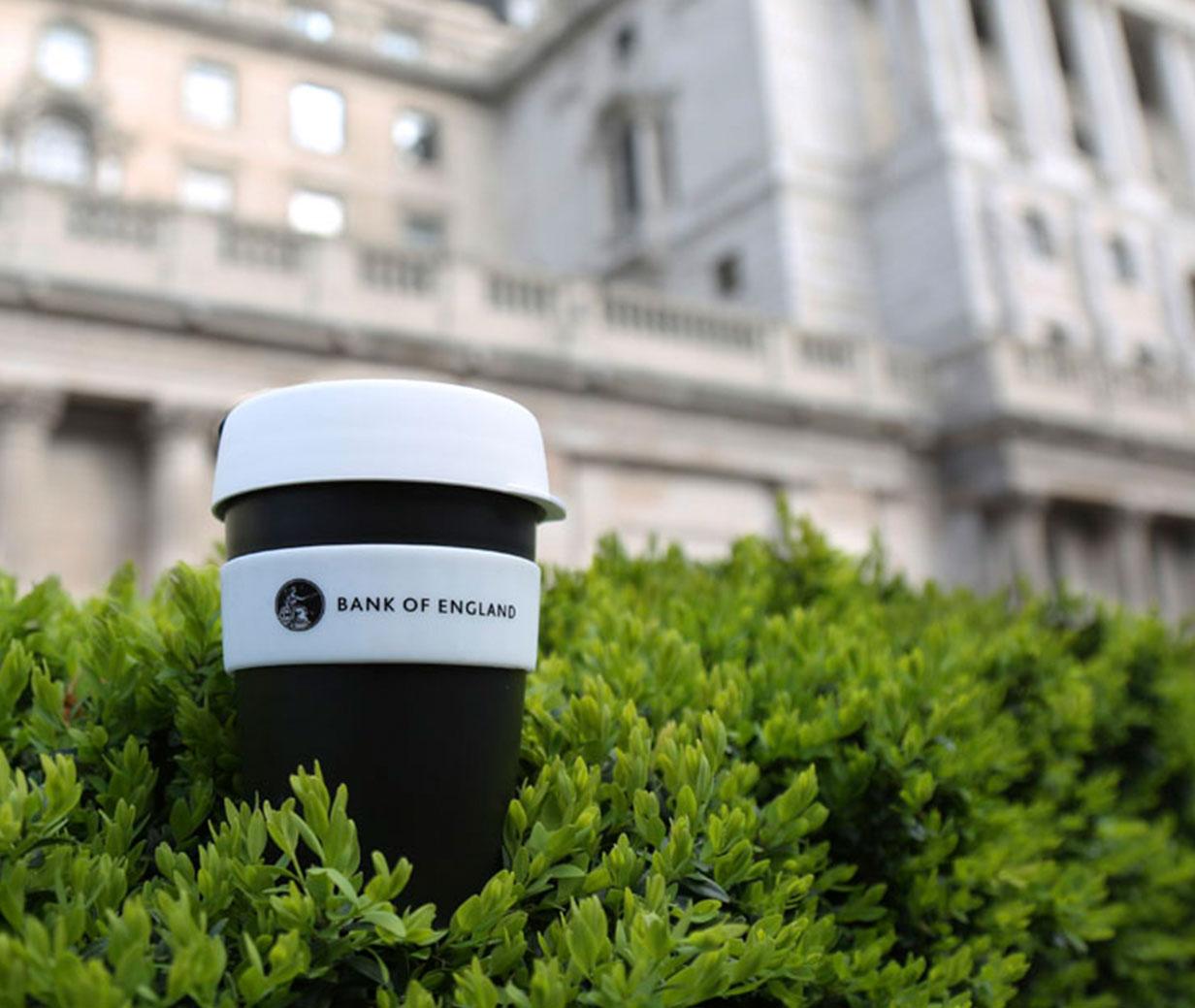
When the Bank of England's London headquarters approached KeepCup, the brief reflected a particular challenge: implementing a workplace reuse program inside one of the most security-conscious and procedurally rigorous workplaces in the United Kingdom. The Bank of England runs to its own standards. Any reuse program had to meet them.
The implementation succeeded. The lessons travel — particularly for Australian banking, government and regulated workplaces planning similar programs.
The Context
The Bank of England's Threadneedle Street site employs a large workforce. Internal café service provides hot drinks across multiple outlets. Pre-program disposable cup volume was substantial — the largest single packaging waste stream and the easiest to address through reuse in principle.
The institution had set internal sustainability commitments including a reduction in operational waste streams. The disposable cup category had been identified as a high-leverage opportunity — in principle. In practice, the operational constraints were significant.
The Operational Constraints
Five constraints that shaped program design:
1. Security Screening
All items entering the building pass security screening. Personal reusable cups brought from home would have created screening volume that the security operation hadn't been sized for. A program relying on universal personal cup use would have overloaded screening infrastructure.
2. Service Speed
The Bank's café outlets serve a workforce on tight schedules. Anything that slowed service would have been unacceptable. The reuse program had to integrate without adding seconds to the typical transaction.
3. Branding Requirements
Items used within the Bank carry implicit institutional branding expectations. The reusable cups had to meet visual identity standards including approved colour palette, brand placement and material finish.
4. Procurement Process
The Bank's procurement requires multi-stage approval, supplier diligence, and contract structures that smaller workplaces don't typically need. The lead time from program approval to operational launch was extended.
5. Heritage Building Constraints
The Threadneedle Street site is heritage-listed. Physical installations — wash stations, cup return points, signage — had to comply with heritage requirements. The flexibility of fit-out was substantially less than a modern commercial workplace.
The Program Design
The implemented system, in summary:
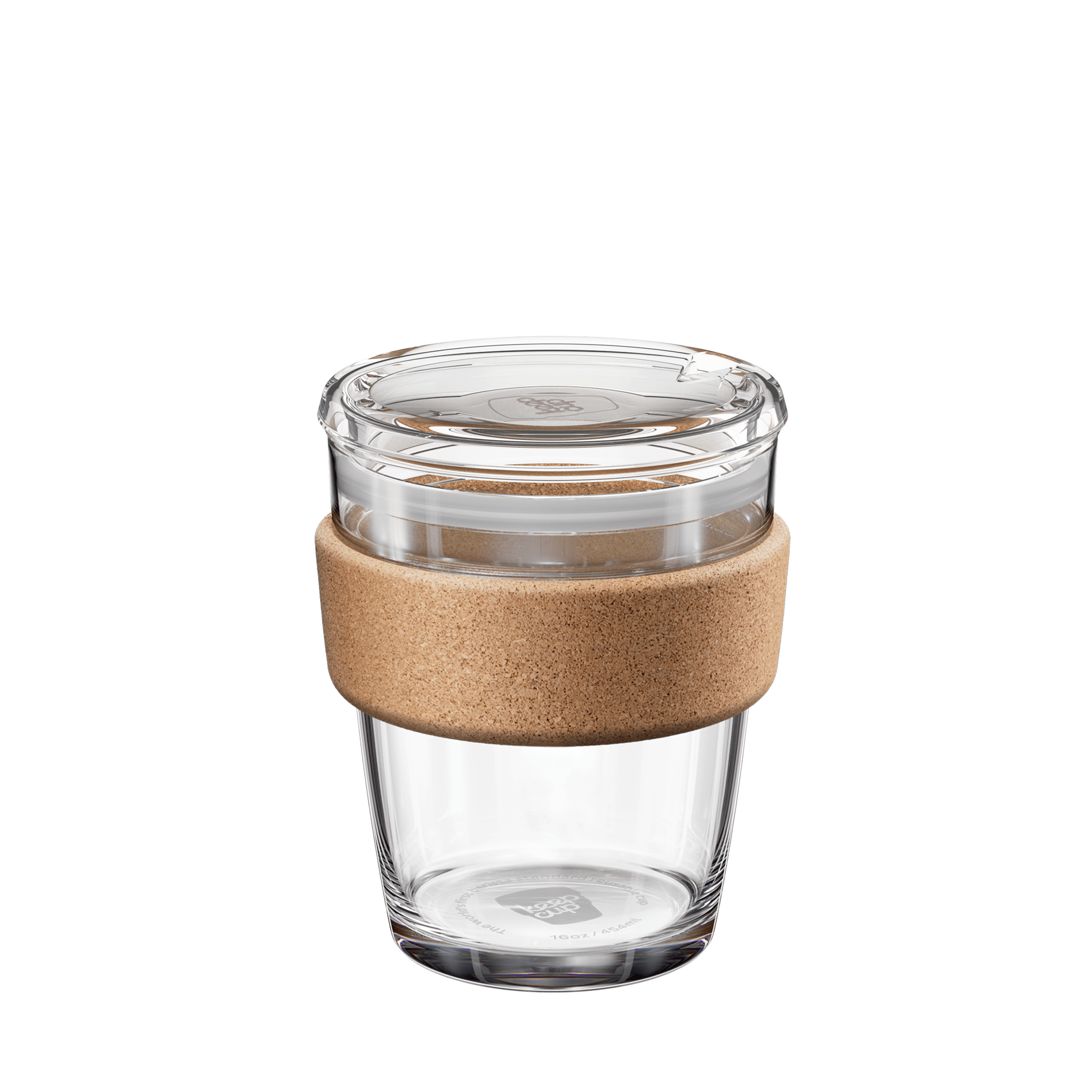
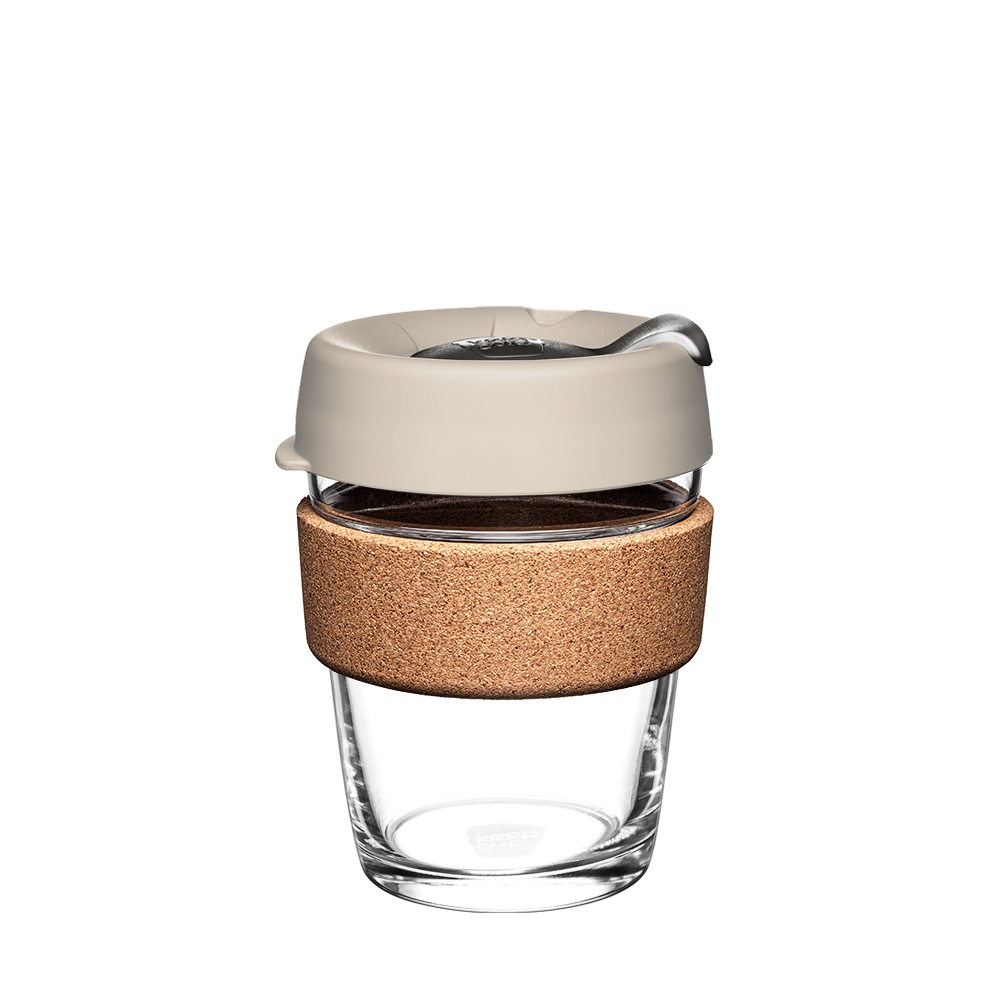
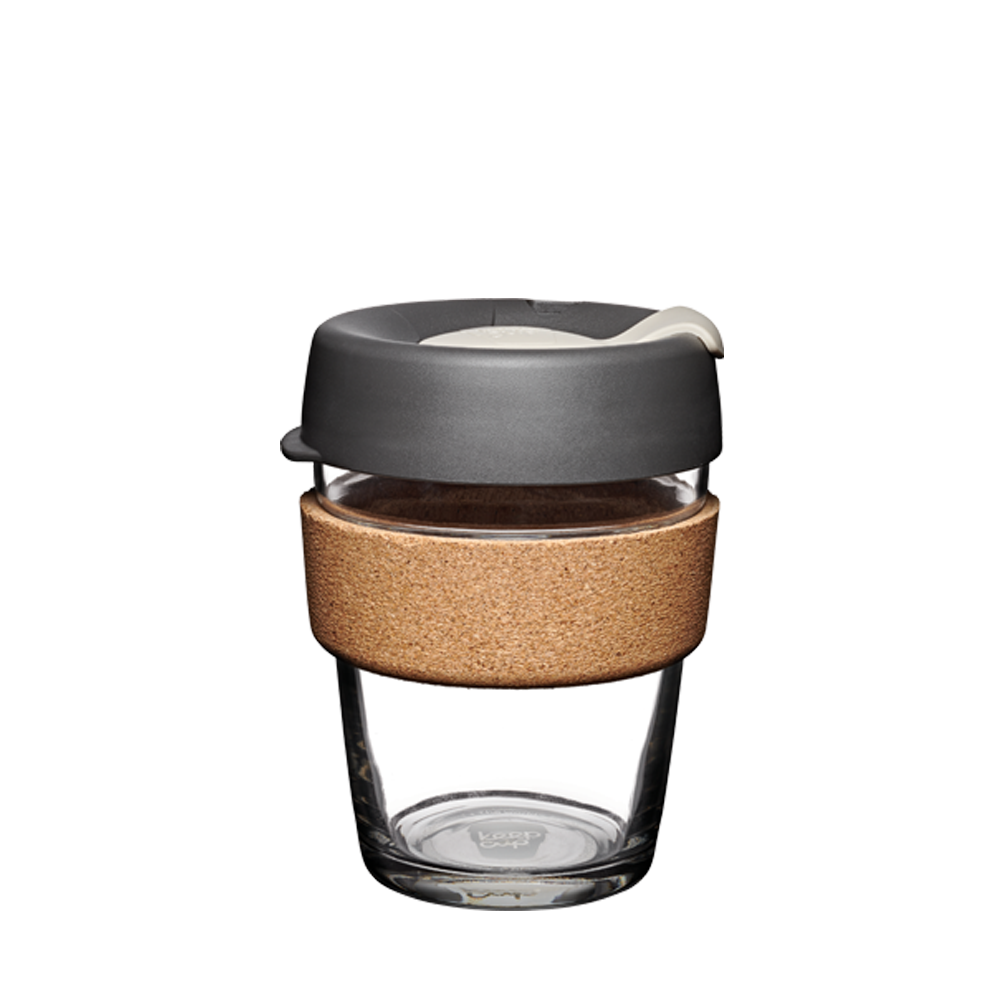
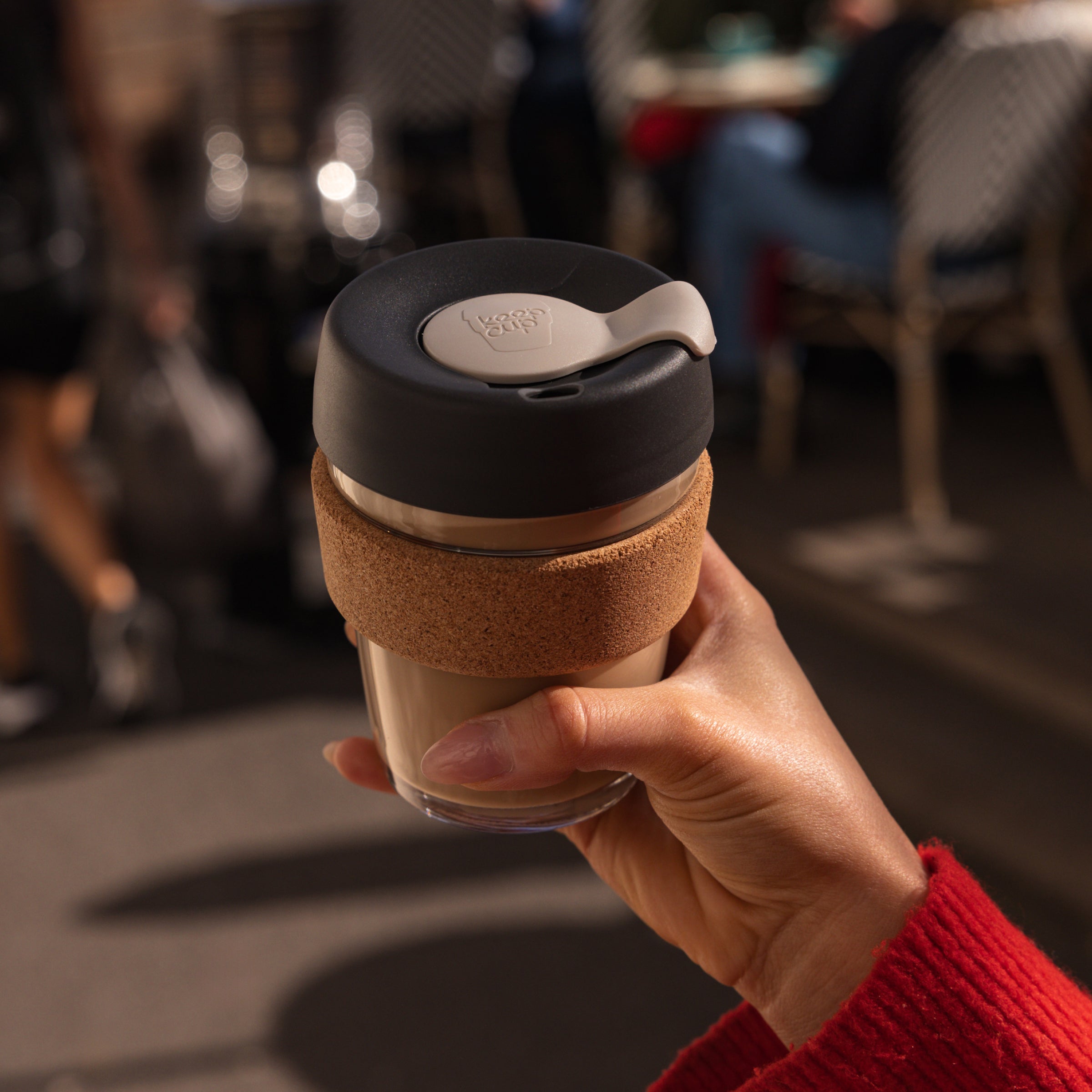
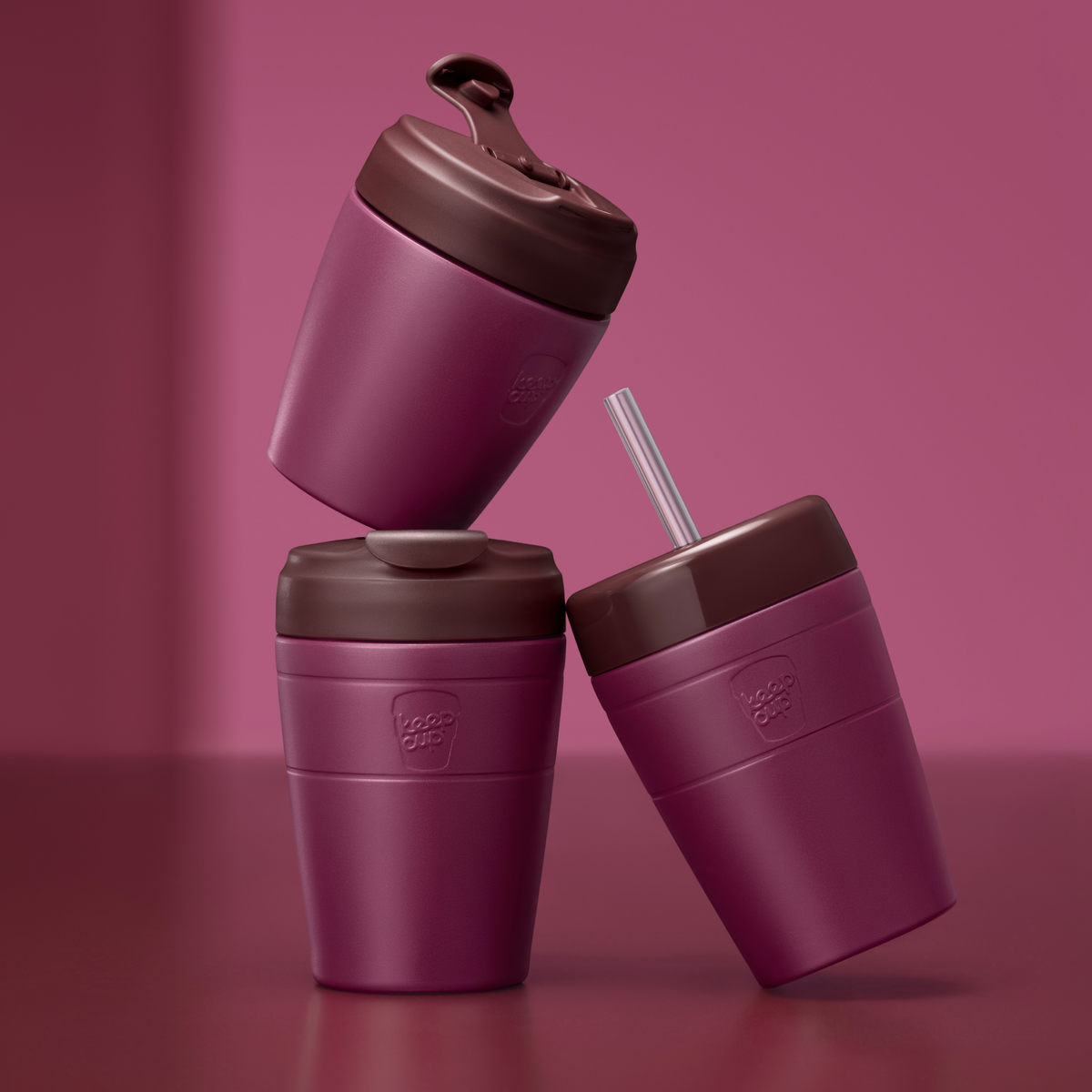
- Branded KeepCup units — Brew Tempered Glass in Bank of England navy with the Bank's logo — manufactured to procurement specifications and distributed to all permanent staff at induction-style collection points.
- A loaner cup pool at each outlet, sized to cover daily forgetting volume, washed and returned by café staff at end of service.
- Disposable cups retained for visitors and contractors only; all internal staff transitions to reusable required within the agreed transition window.
- Café outlet signage — designed to heritage approval standards — prompting BYO and offering loaners.
- Replacement parts (lids, seals, bands) stocked at outlet counters for free replacement, eliminating the "damaged cup, revert to disposable" failure mode. KeepCup products are tested to 1,000 uses and the replacement parts ecosystem extends service life further.
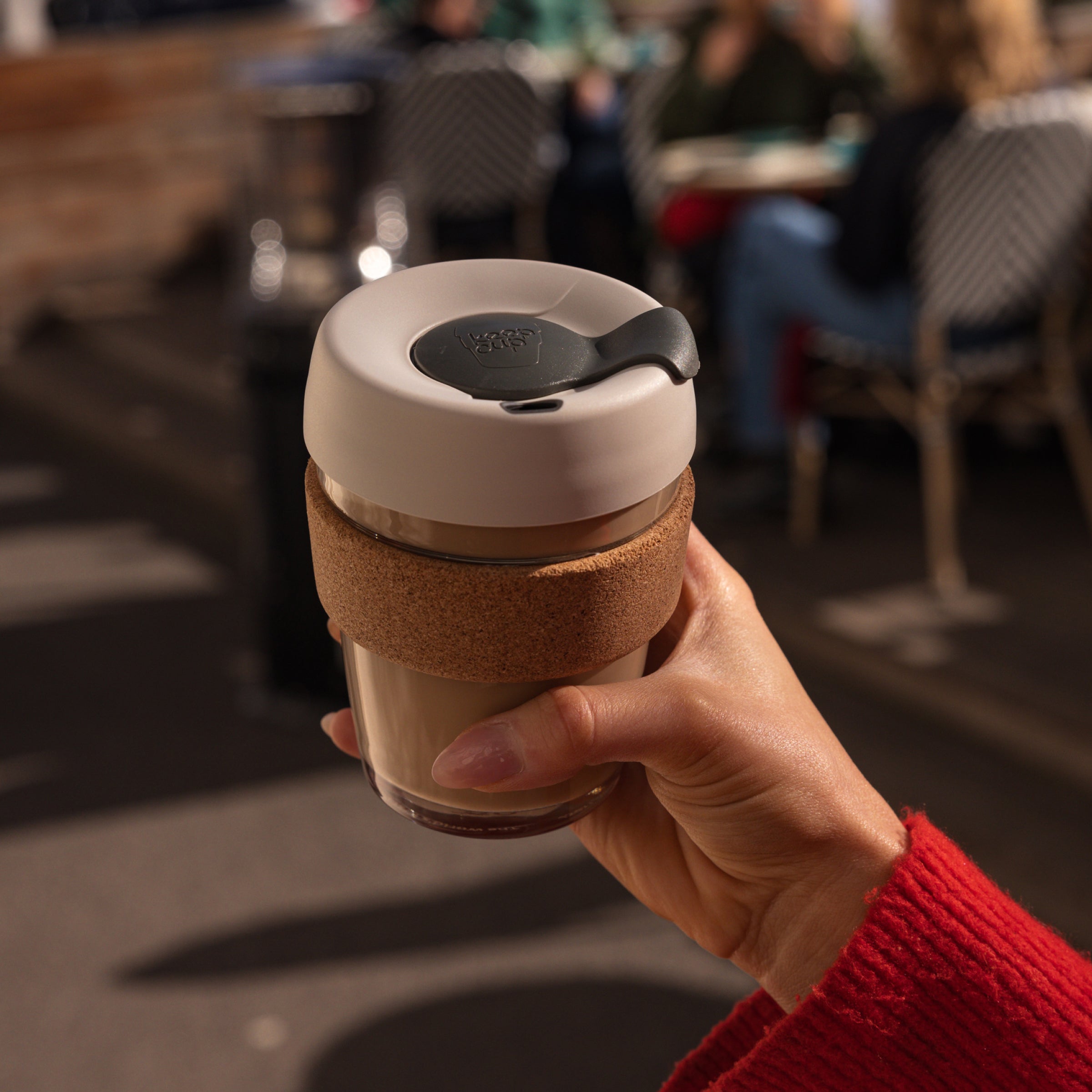
The integration with café service flow was the most carefully designed element. Counter staff received specific training on reusable acceptance procedures, hot drink fill protocols for the KeepCup Brew, and loaner pool checkout. The transaction time difference between reusable and disposable was effectively zero.
The Outcomes
Following the program launch, disposable cup usage at internal staff outlets was substantially reduced — the remaining disposable volume came from the visitor/contractor channel. Reusable cup usage at staff outlets reached operational saturation (no disposable alternative offered). Most staff used personal cups; the loaner pool covered the rest. Average transaction time was unchanged. Staff satisfaction with the program tested positive in follow-up surveys.
The Bank's annual sustainability reporting recorded the disposable cup waste reduction as a major operational waste reduction achievement.
What Translated to Australia
The Bank of England case study has been adapted for Australian institutions: federal departments, state government bodies, major banks, and large corporate workplaces. The core program structure transfers; specific adaptations are required for the Australian context:
Australian Adaptation 1: Cold Drink Coverage
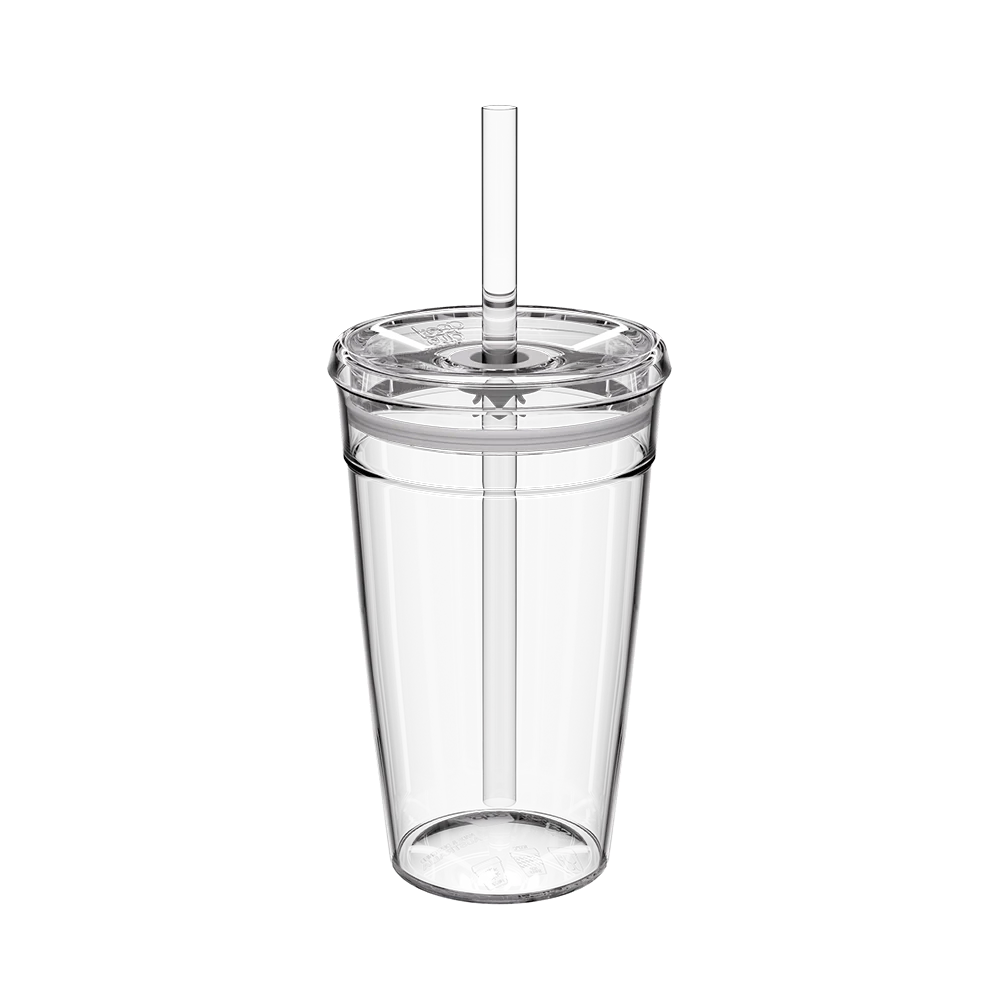
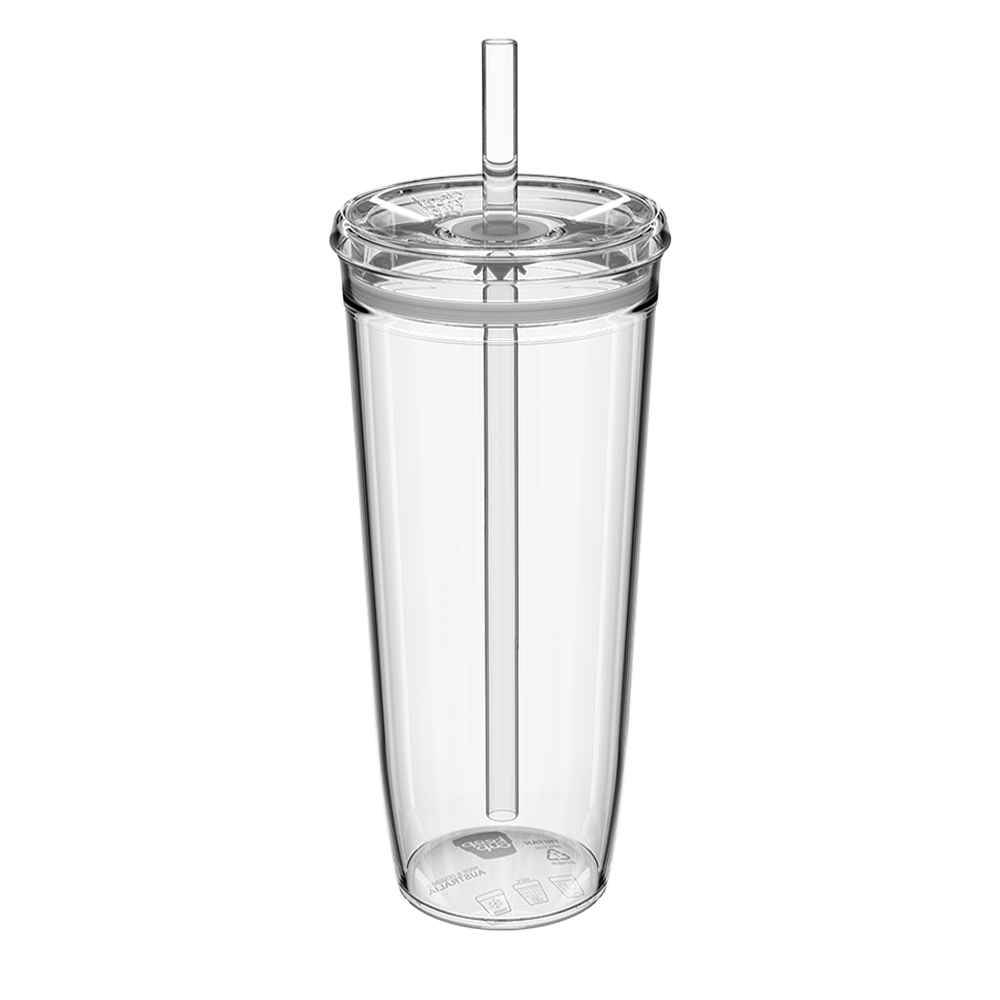
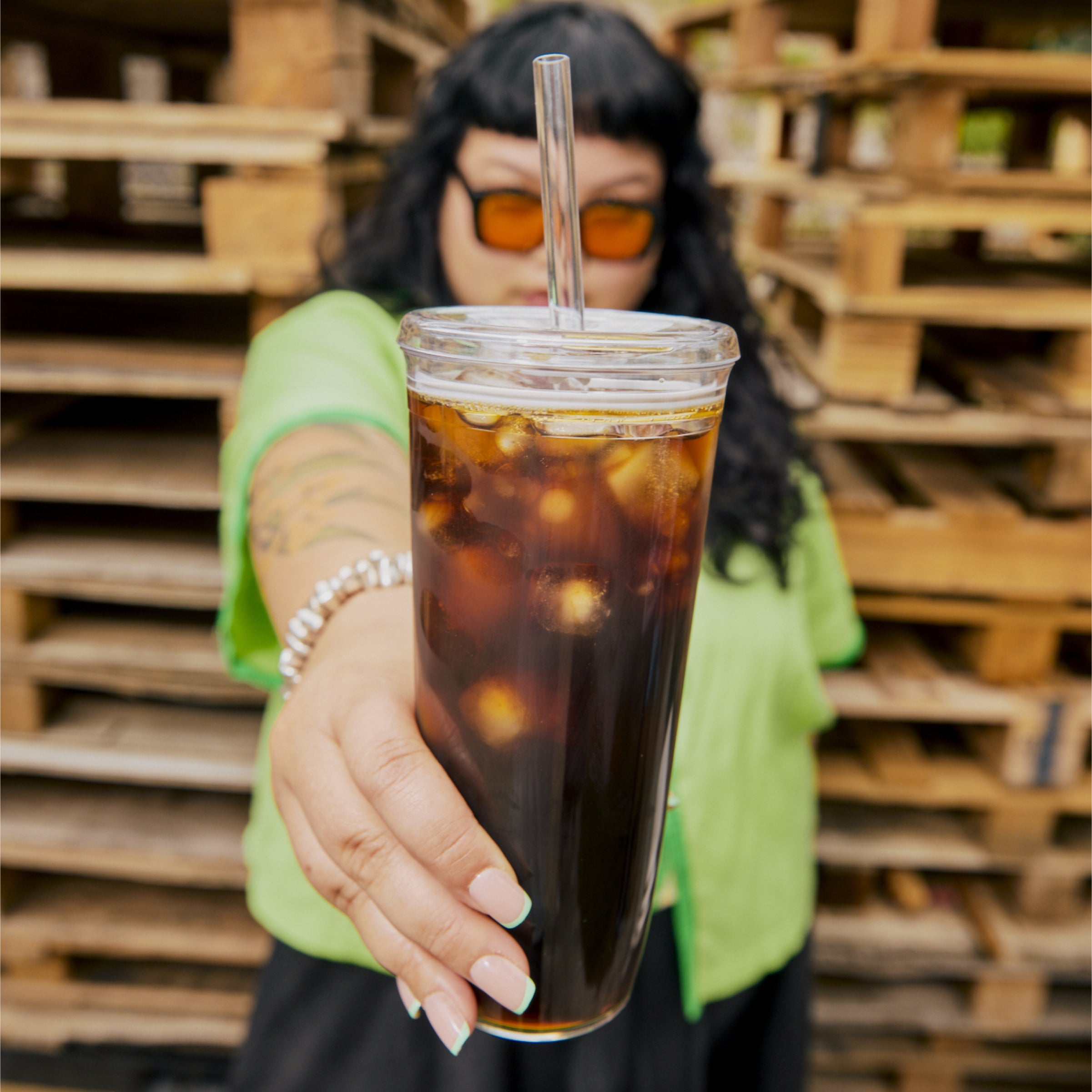
Australian workplace coffee culture includes significant cold drink consumption that European equivalents see less of. The program range needs the KeepCup Cold Cup Longplay or Cold Cup Thermal alongside hot drink products.
Australian Adaptation 2: Café Operator Engagement
Australian corporate cafés are typically operated by third-party providers. The program design has to be co-developed with the operator, not imposed on them. Operator buy-in is the difference between successful and unsuccessful program execution.
Australian Adaptation 3: Multi-Site Coordination
Many Australian corporations operate across multiple sites in different states. Program rollouts coordinated across sites — with consistent design but local procurement — outperform single-site programs because they create the cultural expectation that reuse is standard everywhere the employee goes.
The Procurement Path
For Australian institutions considering similar programs, the procurement path KeepCup typically follows:
- Discovery and program design.
- Cup design, branding and prototyping.
- Manufacturing lead time.
- Distribution and program launch.
Government and heritage contexts can extend this. Standard corporate workplaces can sometimes compress it.
What Australian Institutions Should Plan For
Five planning elements that distinguish successful programs:
- Procurement lead time. Don't underestimate it. Government and large enterprise procurement takes longer than expected.
- Operator engagement. The café operator's cooperation is the highest-leverage variable. Engage early.
- Loaner pool sizing. Sized to cover daily forgetting volume. Larger pools waste capital; smaller pools fail under demand.
- Replacement parts ecosystem. Free replacement at outlet counters keeps cups in service. This is non-negotiable for sustained program performance.
- Phased disposable removal. Build the habit before removing the alternative.
The Bigger Frame
Workplace reuse is one of the highest-impact corporate sustainability interventions available. The technology is mature, the case studies are extensive, the cost economics work, and the customer (employee) reception is consistently positive. The barrier is no longer demonstration — it's execution discipline.
Australian workplaces ready to execute have a pathway. The Bank of England case study is one example among many showing the pathway works. The KeepCup custom corporate program is one route to implementation.
FAQs
How did the Bank of England implement workplace reuse?
Branded KeepCup Brew distributed to all staff, loaner pool at each outlet, disposables retained only for visitors, replacement parts free at counters, phased disposable removal. Substantial reduction in disposable cup usage at staff outlets.
Can KeepCup support Australian institutional reuse programs?
Yes. The KeepCup Custom corporate program covers branded cups, wholesale procurement, loaner pool design, replacement parts ecosystems and operator engagement.
How long does a workplace reuse program take to launch?
Typical lead time runs from initial conversation to operational launch over several months. Government and heritage contexts can extend the timeline; standard corporate workplaces sometimes compress it.
How long until a workplace reuse program pays back?
Most programs reach cost-positive within the first year through disposable cup procurement savings. The reusable investment is paid back through the eliminated disposable purchases.




LinkedIn Dublin
The Full Pantry - Reusable Kitchen Essentials