

The bulk food store — the kind where you bring your own containers, fill them from gravity-fed bins, weigh out exactly what you need — is one of the most under-rated solutions to Australian household waste. The Full Pantry concept eliminates packaging at the point of purchase rather than trying to recycle it afterward. The maths is better, the food is often cheaper, and the experience is one of the few places where the sustainable choice is genuinely the easier choice.
Bulk food stores have gone from fringe to mainstream in most Australian capital cities. This is what's available, how to use it well, and why a stocked pantry of bulk staples is one of the most effective zero-waste shifts a household can make.
Why Bulk Beats Packaged
Packaged food carries packaging waste, packaging cost, and often manufacturer margin per unit weight. Bulk food eliminates the first two and reduces the third. The cost differential is meaningful across many categories — bulk staples often work out cheaper per kilo than the packaged equivalent, with the savings compounding across a year of shopping.
The environmental case is even stronger. Bulk shopping can eliminate the majority of a household's grocery packaging waste, depending on shopping patterns. For a household serious about waste reduction, no other single change delivers comparable impact.
What Bulk Stores Now Stock
The 2020s expansion of the bulk format has dramatically widened what's available. Categories now commonly stocked at well-established Australian bulk stores:
- Pantry staples: rolled oats, rice, lentils, pasta, flour, sugar, salt, spices.
- Snacks: nuts, dried fruit, seeds, granola, muesli, popcorn kernels.
- Cooking ingredients: olive oils, vinegars, soy sauce, honey, maple syrup, peanut butter.
- Coffee and tea: whole bean coffee, loose leaf teas, cacao.
- Cleaning products: laundry liquid, dishwashing liquid, hand soap, all-purpose cleaner.
- Personal care: shampoo, conditioner, body wash, toothpaste tablets.
- Specialty items: nutritional yeast, kombucha SCOBYs, kefir grains, natural food colourings.
A well-stocked Australian bulk store now covers the bulk of typical pantry purchases. Fresh produce, dairy and meat are sourced elsewhere.
How to Bulk Shop Without Hassle
The most common reason people try bulk shopping and revert to packaged is friction: forgetting containers, not knowing weights, slow checkout. Three rules that solve the friction:
Rule 1: Keep Containers in Your Car
Permanent storage of a set of clean reusable containers in your car — glass jars, cloth bags, lightweight plastic tubs — eliminates the "oh I forgot to bring my containers" problem. Bulk shopping requires the containers; permanent carry is the easiest solution.
Rule 2: Pre-Weigh Your Containers
Bulk stores deduct the container weight (tare) from your total purchase. Pre-weighing containers at home or having them noted at the store on first use saves time at checkout.
Rule 3: Shop Off-Peak
The bulk store experience is significantly better at off-peak hours — weekday mornings, Saturday mornings before the rush. Off-peak shopping reduces checkout time and allows leisurely refilling.
The Cup, the Bottle, and the Bowl
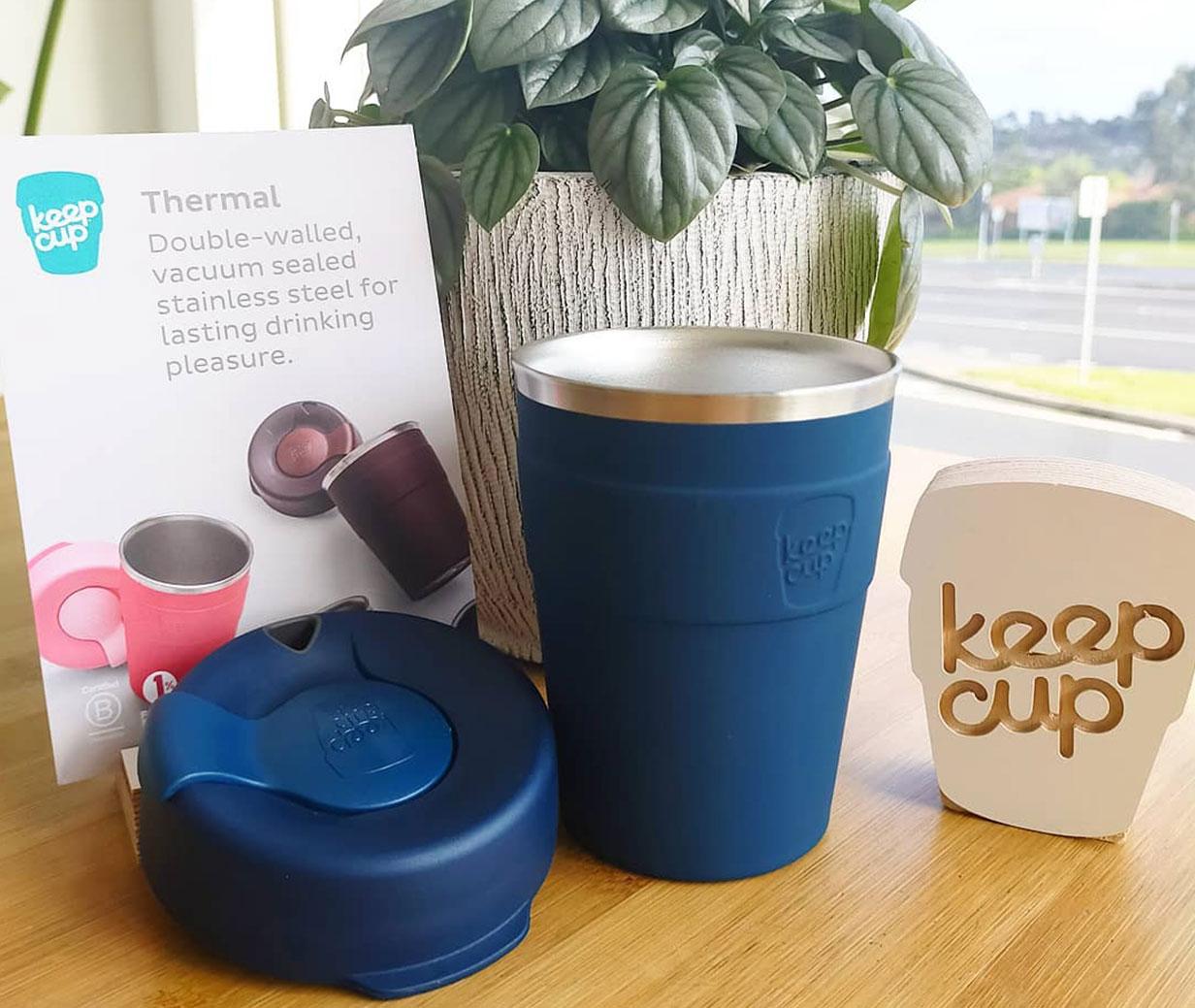
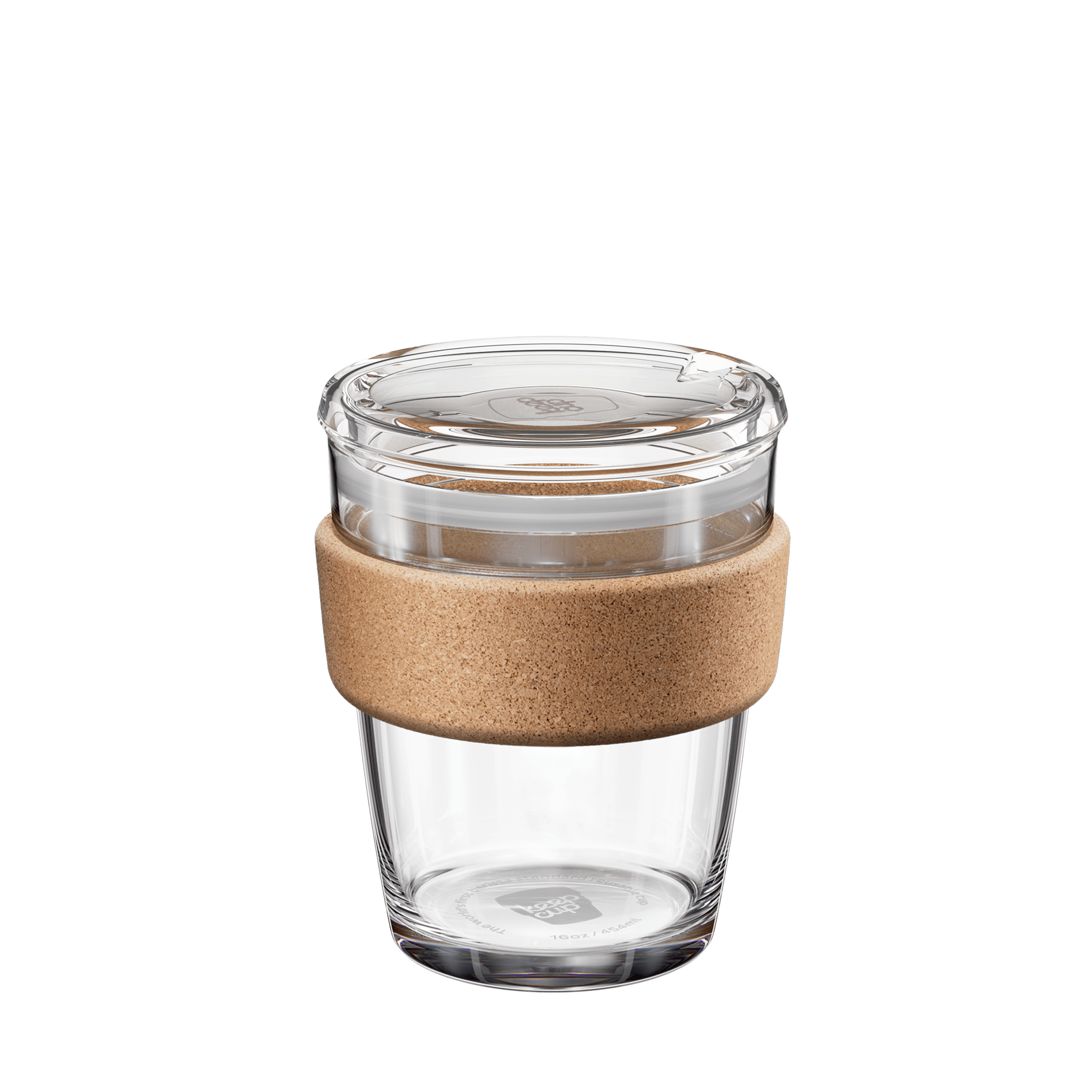
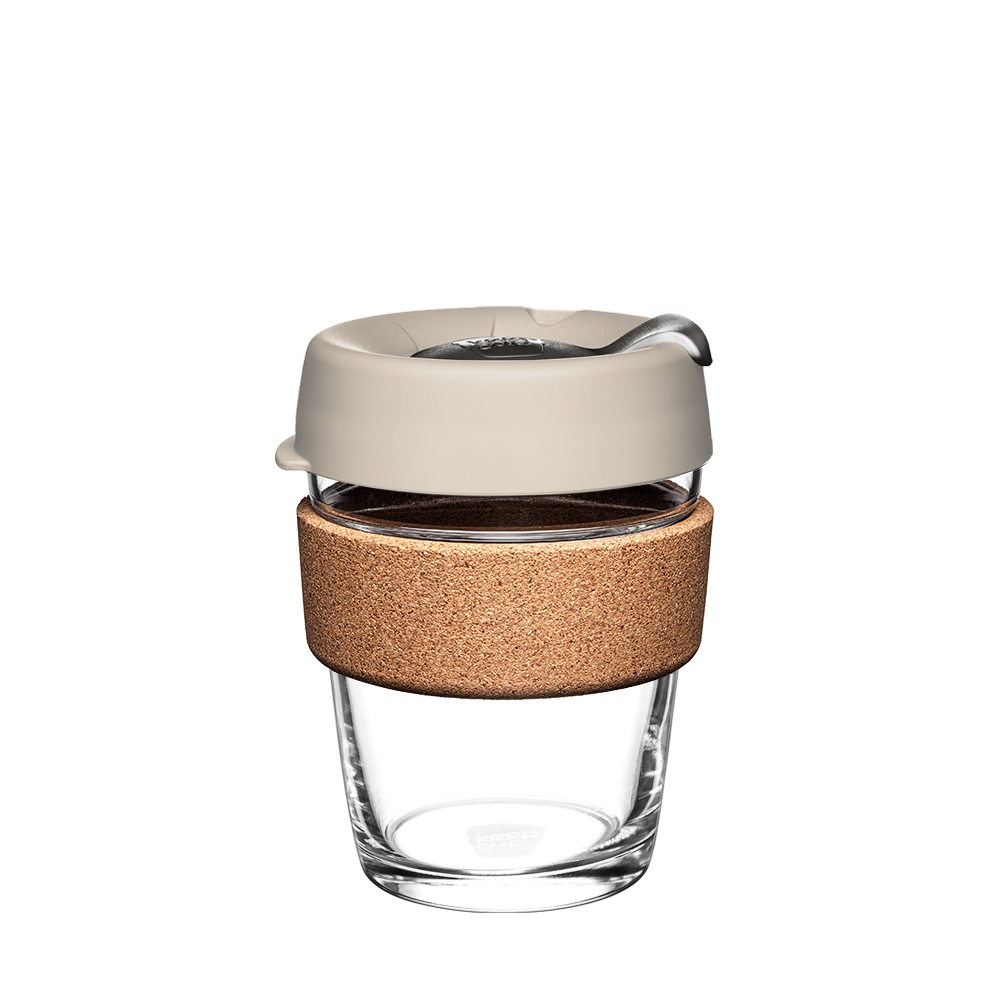
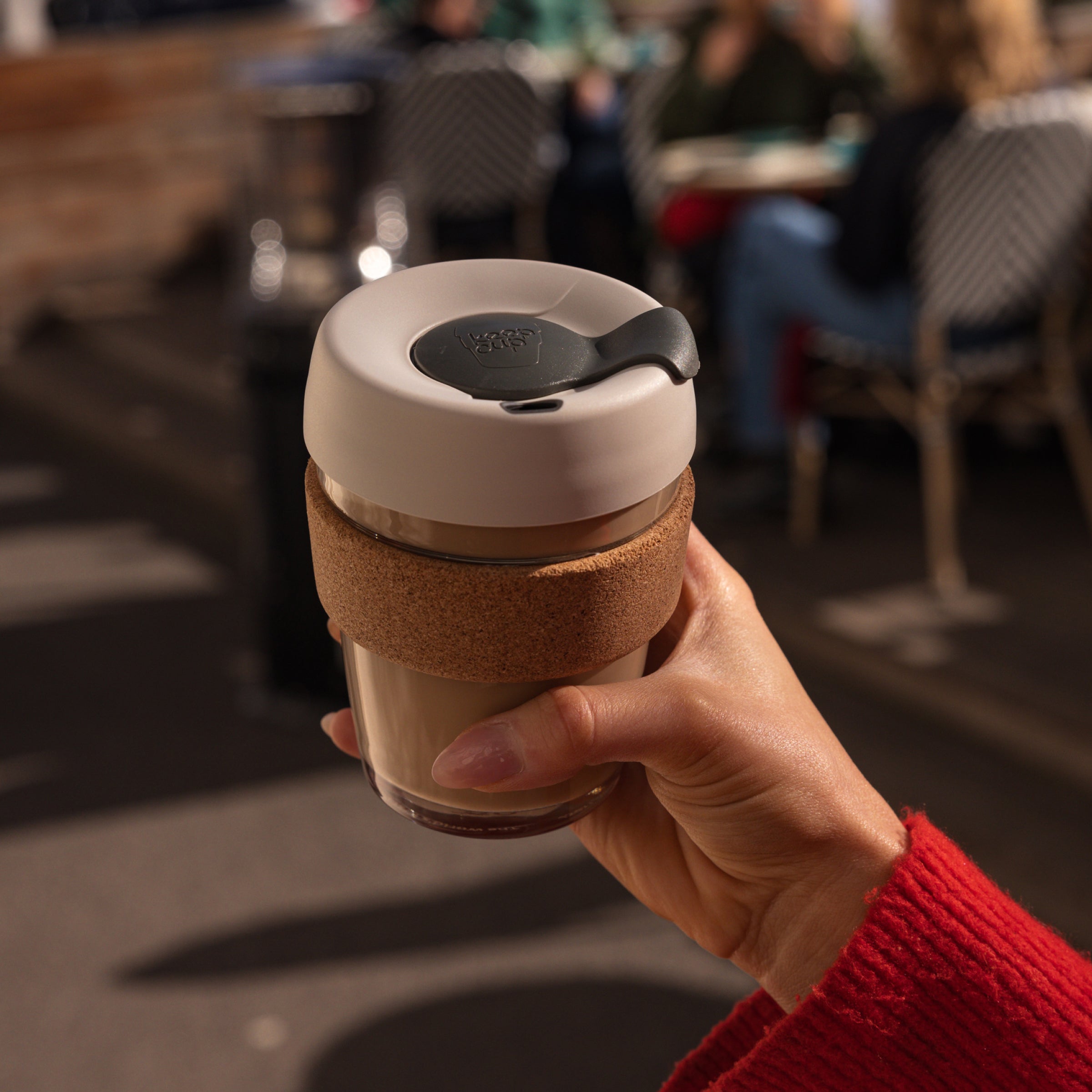
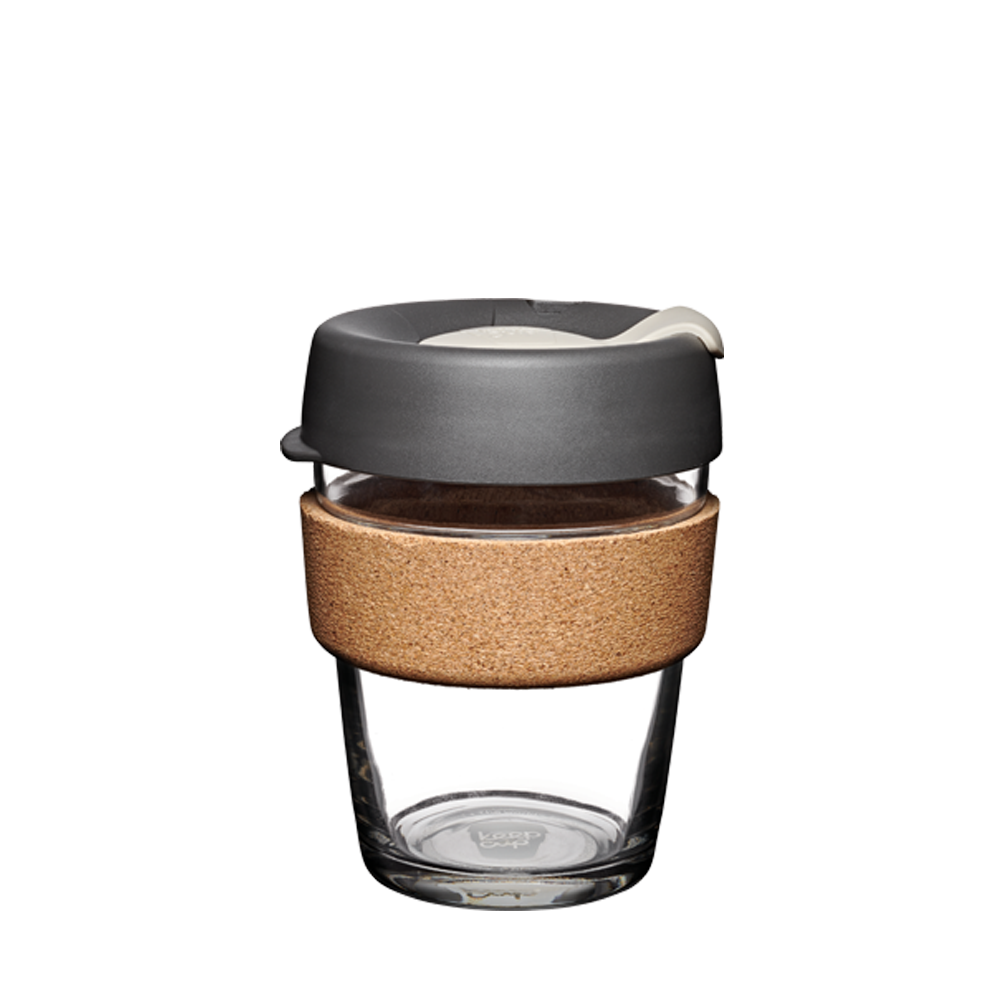
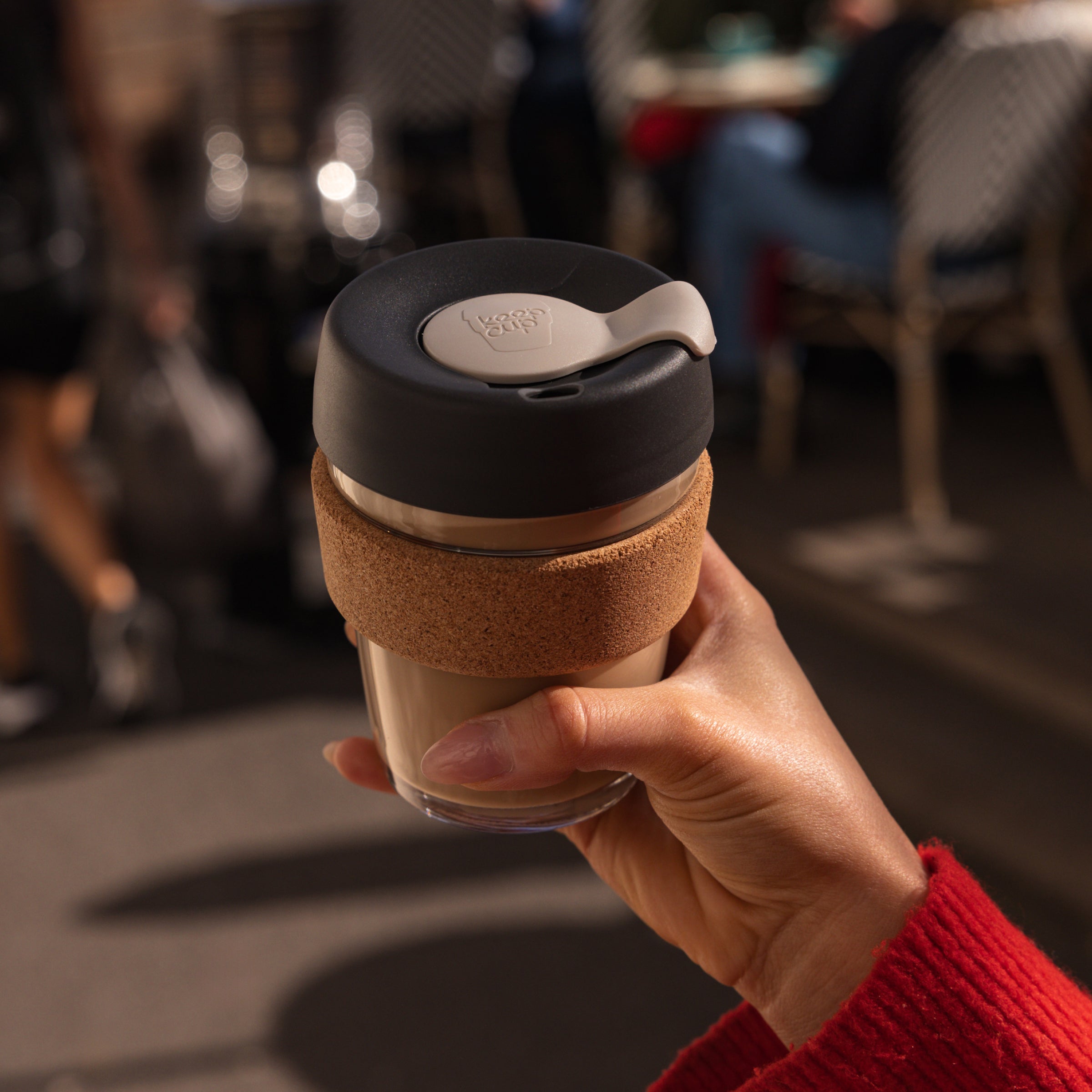
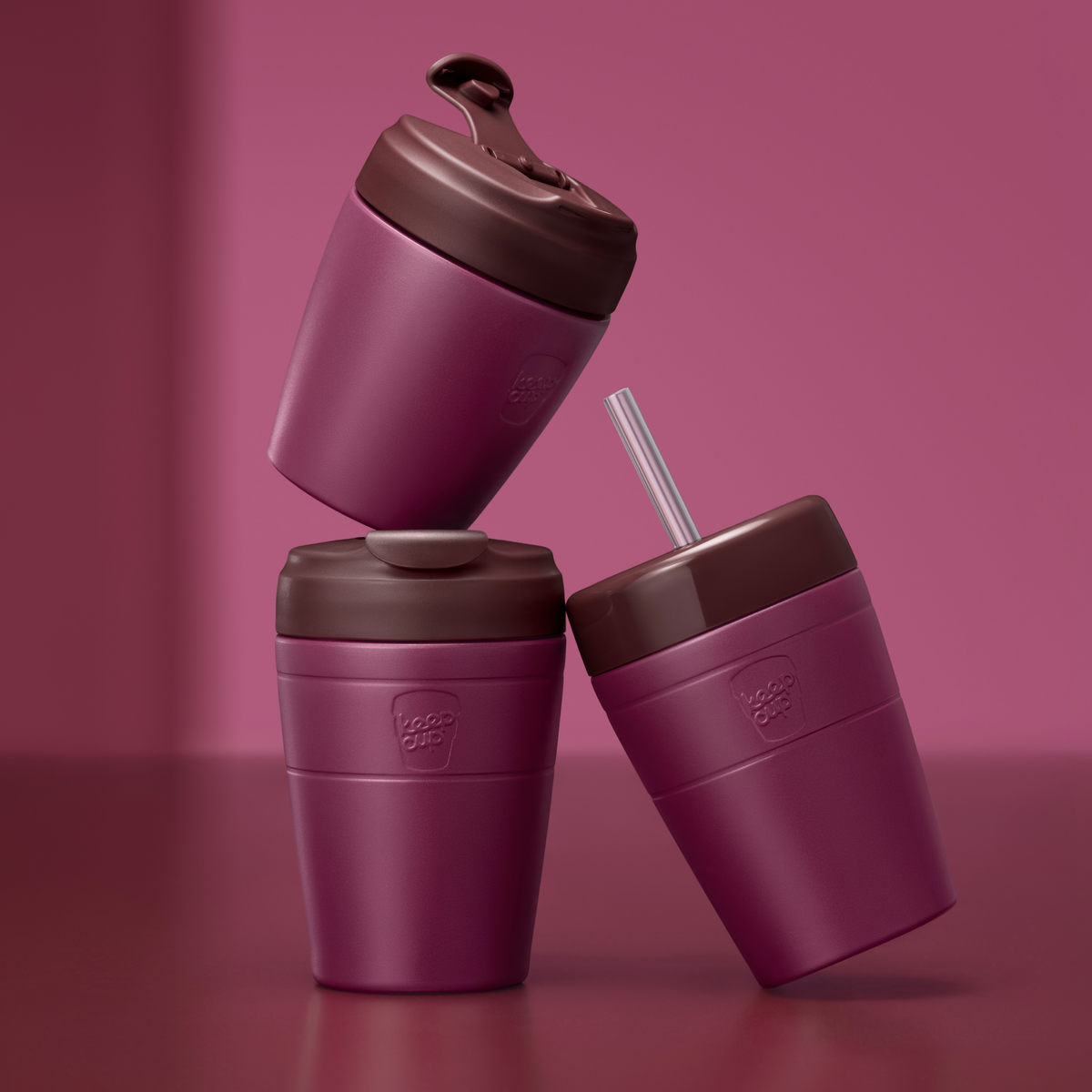
Bulk shopping connects naturally to the KeepCup ecosystem. The reusable carry kit that supports zero-waste shopping:
- KeepCup Brew or Original: for the takeaway coffee on the way to the shop.
- Ora Bottle: hydration during the shop and the rest of the day.
- Go Bowl Original: for snacks, lunch, or as a bulk container for granola or trail mix on the way home.
None of these are required for bulk shopping, but they all reinforce the muscle memory of permanent carry that bulk shopping depends on. KeepCup products are tested to 1,000 uses — the kit that becomes daily habit needs to keep up.
What to Stock First
For households new to bulk shopping, starting with the highest-volume staples gives the strongest early wins:
- Rolled oats. Daily breakfast staple, cheap in bulk, comparable quality to packaged.
- Rice and pasta. Dinner staples in most households, often cheaper bulk.
- Olive oil. Higher quality at the bulk store than supermarket packaged equivalents at the same price.
- Coffee beans. Specialty bulk coffee is sometimes the same beans as packaged products at meaningful discount.
- Laundry liquid. The single highest-volume household packaging item for most families.
Five categories. Locked in once, they replace dozens of packaged purchases per year.
The Australian Bulk Store Landscape
The major Australian bulk store chains and notable independents:
- Source Bulk Foods — large national footprint.
- The Source Bulk Foods, Wholefoods at Home, Naked Foods — metro Sydney, Melbourne, Brisbane coverage.
- Independent operators — well-established in regional centres including Byron Bay, Castlemaine, Adelaide Hills, Tasmania.
- Supermarket bulk sections — Coles and Woolworths have introduced bulk sections in selected stores.
Coverage is best in capital city inner suburbs. Regional and outer-suburb access is patchier. For households without nearby bulk options, online bulk delivery services operate nationwide.
Why It Sticks
The bulk shopping habit, once established, tends to be self-reinforcing for three reasons:
- Visible packaging reduction. The household bin shrinks. The feedback loop is immediate and motivating.
- Better food quality. Whole foods, less processed alternatives, often higher quality than packaged equivalents.
- Lower cost. The savings, once realised, are hard to give up.
The bulk shopper rarely reverts. The packaging-heavy shopper rarely starts unprompted. The barrier is the first three visits.
FAQs
Is bulk food shopping cheaper in Australia?
For most pantry staples, yes. Whole foods bought in bulk often have better unit economics than the convenience-packaged version.
What do I need to bring to a bulk food store?
Clean reusable containers — glass jars, cloth bags, plastic tubs. Containers should be clean and dry. The store will weigh and deduct container weight at checkout.
What can I buy at an Australian bulk food store?
Most pantry staples: oats, rice, pasta, flour, oils, vinegars, honey, nuts, dried fruits, coffee, tea, spices. Many bulk stores also stock cleaning products and personal care items.
Where are the best bulk food stores in Australia?
Source Bulk Foods has a large national footprint. Naked Foods, Honest to Goodness, and many independent operators cover specific cities and regions. Online delivery services cover regional Australia where bricks-and-mortar stores aren't available.




Bank of England
LinkedIn Dublin