

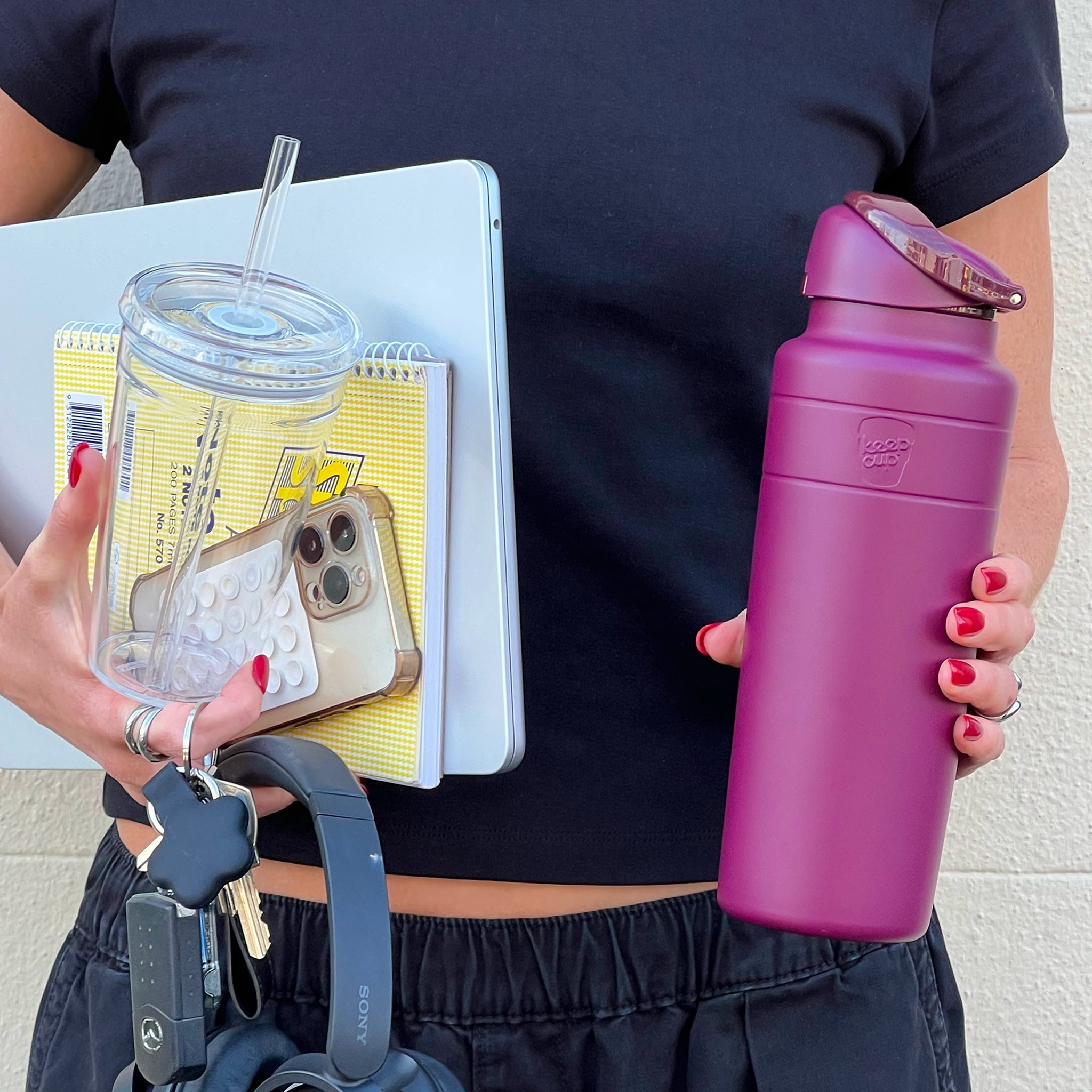
The circular economy is a structural shift in how we make, use and recover material. It is the economy of repair, reuse, refurbishment and recycling — the alternative to the linear model of extract, manufacture, discard. KeepCup's product design has been circular since launch in 2009, and the principles that guide it are worth understanding because they apply across the consumer economy.
What the Circular Economy Actually Is
Three distinguishing features:
- Materials stay in use longer. Through durable design, repair, refurbishment and reuse, individual products serve more functional units before reaching end-of-life.
- End-of-life is designed for, not assumed. Products are designed with recovery in mind — modular components, identifiable materials, accessible disassembly.
- The economic model rewards retention, not consumption. Business value is captured through service, repair, refill and reuse rather than constant replacement.
The linear economy externalises end-of-life costs onto the environment, the public waste system and future generations. The circular economy internalises those costs through design and business model.
Five Principles of Circular Design
1. Design for Durability
The most circular product is the one that doesn't fail. Robust materials, mechanical fasteners (not glue), redundant safety margins on stress points. KeepCup products are tested to 1,000 uses.
2. Design for Disassembly
Products should come apart for repair, replacement and end-of-life recovery. Glued or welded components fail this test — once damaged, they're not repairable without destruction.
3. Design for Replacement
The components that fail first (seals, lids, gaskets) should be the components most easily replaced. KeepCup sells replacement seals, lids and bands individually, so a damaged component doesn't mean a discarded product.
4. Design for Material Recovery
End-of-life materials should be identifiable, separable and recoverable. Mixed-material assemblies that cannot be separated end up landfilled regardless of any individual component's recyclability.
5. Design for Use Intensity
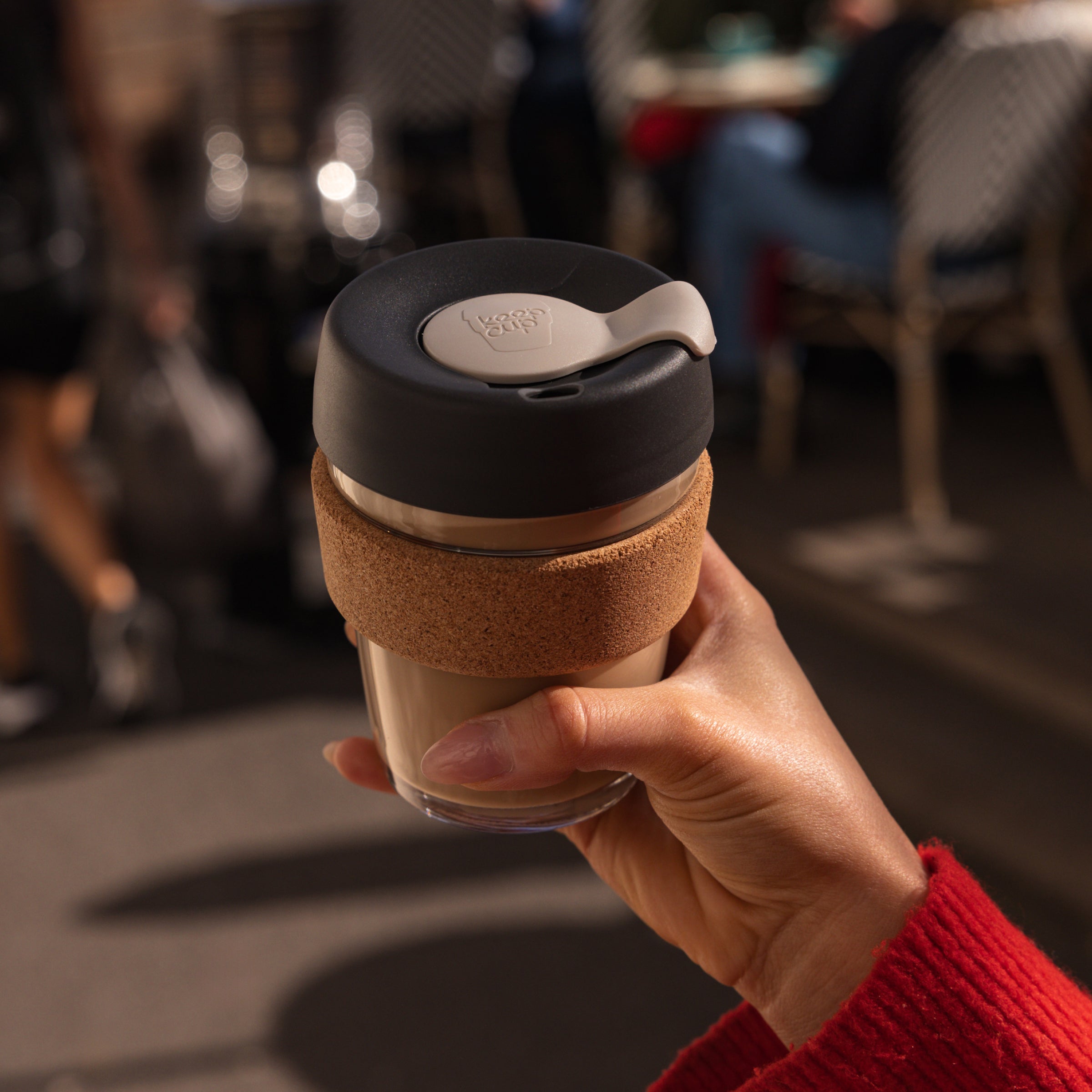
Products that get used a lot deliver better lifecycle returns than products that sit in cupboards. KeepCup designs for daily carry — lightweight, easily cleaned, dishwasher-safe, fitting standard café portafilter heights.
What's Hard About Circular Design
The disposable economy has structural advantages that the circular economy has to overcome:
- Cheap inputs. Virgin material costs don't include externalities.
- No end-of-life responsibility. Manufacturers in most markets bear no cost for what happens to their products after sale.
- Frictionless convenience. Single-use products require no carrying, washing, maintaining or repair.
- Mature infrastructure. Disposable distribution networks are decades-deep. Reuse infrastructure is shallower and patchier.
Each of these is a barrier the circular alternative has to clear. None is insurmountable, but the path requires policy support, customer behaviour change and product design discipline.
Where Policy Helps
Three policy reforms that would accelerate the Australian circular economy:
- Extended producer responsibility. Make manufacturers responsible for end-of-life of their products. Shifts the economic case toward design for recovery.
- Right to repair legislation. Strengthen the legal right to repair products. The repair right is the strongest support for circular product design across the entire consumer economy.
- Container deposit and reuse infrastructure. Public investment in the wash stations, return systems and shared reuse infrastructure that the circular economy depends on.
What Customers Can Do
Three habits that compound:
- Choose durable. Buy products designed to last. The lifecycle maths favours the upfront investment.
- Repair rather than replace. When a seal perishes or a component fails, replace the part — not the whole product.
- Buy from circular brands. Companies with documented circular design practice. B Corp certification and published LCAs are useful signals.
The KeepCup Position
Circular design isn't a marketing position for KeepCup — it's the operating model. Every product in the range is built for repair, replacement and recovery. Replacement parts for the full range. Material specifications transparent. Manufacturing in renewable-electricity-powered facilities. End-of-life recovery in pilot.
FAQs
What is the circular economy?
An economic model where products and materials stay in use longer through durable design, repair, reuse and recovery, rather than being discarded after a single use.
Are KeepCup products designed for the circular economy?
Yes. KeepCup products are tested to 1,000 uses, designed for disassembly, supported by replacement parts for components that fail first, and built from materials selected for recoverability.
What can households do to support the circular economy?
Choose durable products designed to last, repair rather than replace when components fail, and buy from brands with verified circular design practice.
What policy supports the circular economy in Australia?
Extended producer responsibility frameworks, right-to-repair legislation, and public investment in shared reuse infrastructure are the three policy levers with the strongest impact.




KeepCup Cardboard First Packaging - An Update
Abigail Forsyth Awarded OAM for Outstanding Service to Sustainable Design