

Packaging is the most visible part of any product's environmental story. It's what customers see, touch and discard before they even use the thing they bought. For a brand making sustainability claims, packaging has to match the brand. Anything less undercuts everything else.
This is what KeepCup's packaging is, why we make the choices we do, and where the work continues.
The Materials
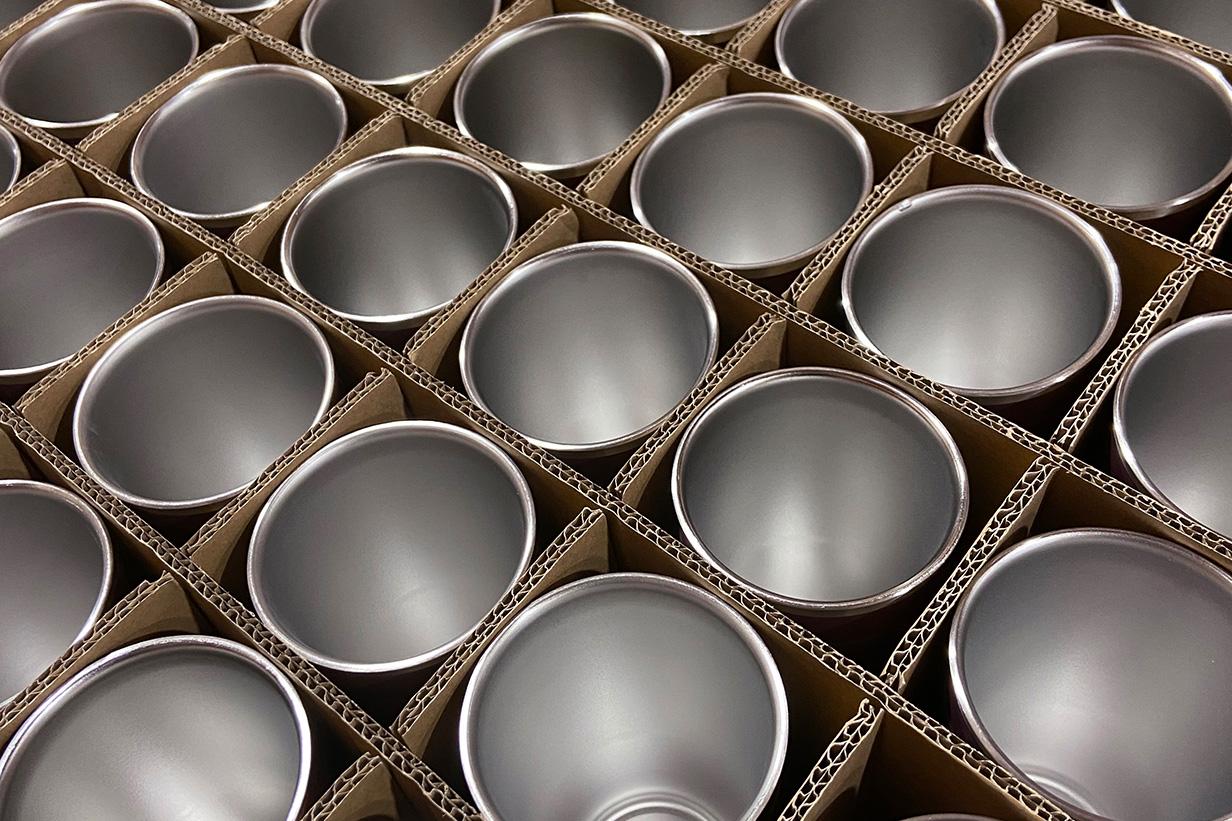
KeepCup packaging uses FSC certified paper-based outer packaging with substantial recycled content. No virgin pulp. No mixed plastic-paper laminates that resist recycling. Printing uses water-based inks where available, with conventional inks selected for recyclability rather than ink performance.
The objective is packaging that performs its function — protecting the product in transit, communicating the brand, presenting the product at retail — while being readily recyclable through standard household kerbside systems.
What We Don't Use
Three categories we've deliberately avoided:
- Plastic film wraps. The shrink-wrap layer common to consumer packaging is rarely recyclable. We've worked through alternatives — paper bands, mechanical fasteners, structural cardboard — across the range.
- Polystyrene inserts. Common in product packaging for fragile items. We use moulded paper pulp or recycled cardboard inserts instead.
- Composite materials. Foil-lined paper, plastic-paper laminates and similar materials that confuse kerbside recycling systems. The cost is occasional packaging that's slightly bulkier or visually less premium — the benefit is packaging that actually gets recycled.
The Trade-offs
Packaging design involves real trade-offs. A paper-based box is heavier and bulkier than a plastic alternative, with knock-on impacts for shipping volume and freight emissions. A fully recyclable structure may not provide as much protection as a composite alternative, with knock-on impacts on product damage rates in transit.
Our approach is to make the trade-offs deliberately, document them, and prioritise recyclability and recycled content as the highest-weighted criteria. Where freight efficiency or product protection has been compromised, we've worked through the alternatives rather than reverting to less recyclable options.
What Customers Should Notice
When a KeepCup arrives, the packaging:
- Goes in the kerbside recycling bin in one piece.
- Has no plastic film inserts requiring separate disposal.
- Carries clear FSC certification.
- Uses minimum viable material to do its job.
None of this is unique to KeepCup — the leading brands across multiple consumer categories are now operating at similar standards. The market direction is positive. The work to make this the baseline rather than the leading edge continues.
What the Next Phase Looks Like
Three packaging projects in active development:
- Reusable shipping packaging. For bulk B2B orders and retail partner deliveries, replacing single-use shipping cartons with returnable systems.
- Lower-impact print inks. Continuing the transition to water-based and biodegradable ink systems where production performance allows.
- Packaging takeback at retail. Pilot programs at retail partners to recover and reuse outer packaging within the supply chain.
The Wider Frame
Packaging waste is one of the largest single household waste streams in Australia. A meaningful portion of it is generated by branded products whose sustainability marketing is at odds with their packaging choices.
This is a category where every consumer brand has direct control over outcomes. The decisions are made at the design stage, paid for in unit cost, and visible in the customer experience. The brands that take packaging seriously are signalling something real about how they think about sustainability.
FAQs
Is KeepCup packaging recyclable in Australia?
Yes. KeepCup packaging is FSC certified, paper-based and goes in standard kerbside recycling bins. No plastic film inserts, no composite materials that confuse kerbside systems.
Does KeepCup use any virgin paper?
No. KeepCup packaging uses no virgin pulp. The paper content is FSC certified with substantial recycled content.
How long do KeepCup products themselves last?
KeepCup products are tested to 1,000 uses. Modular replacement parts (lids, seals, bands) extend service life further.
What's the next phase of KeepCup packaging?
Reusable shipping packaging for B2B and retail partners, continued transition to water-based inks, and pilot programs for packaging takeback at retail.



B Corps and the wave of change
Does design matter? The Importance of Design to drive Circular Economy